Modern Outdoor Lighting Ideas for the Front of Your House
Transform your home's curb appeal after dark with contemporary exterior lighting. From sleek wall sconces to smart path lights, discover the fixtures and design strategies that make a front facade look intentional, welcoming, and secure.
Explore Lighting IdeasWhy modern front-of-house lighting matters: Exterior lighting is one of the highest-impact upgrades you can make to a home's facade. It extends usable hours outdoors, improves safety on steps and walkways, deters intruders, and dramatically elevates architectural details that disappear after sunset. Modern fixtures favor clean lines, integrated LEDs, warm color temperatures, and smart controls — a shift away from bulky traditional lanterns. This guide walks through fixture types, placement strategy, and quality tiers so you can choose confidently before buying.
Essential Modern Exterior Fixture Types
The modern front-of-house lighting scheme typically layers three to four fixture types. Each serves a distinct purpose — from general facade illumination to focused accent and safe navigation. Understanding these categories is the first step toward a cohesive design.
Wall Sconces & Lanterns
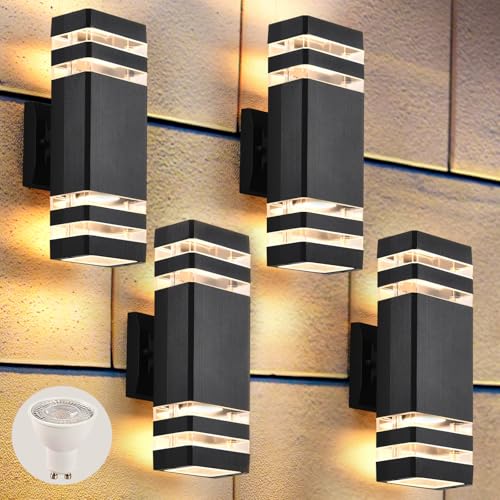
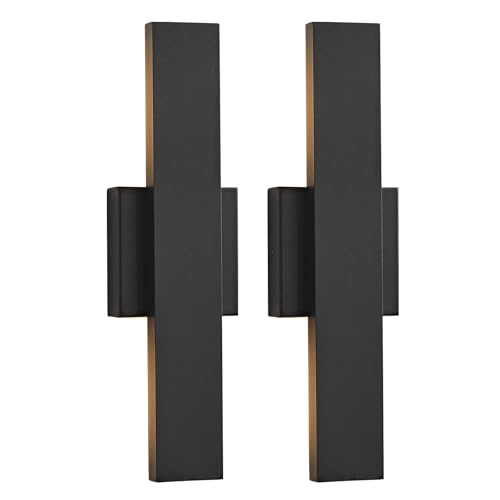
Wall-mounted fixtures flanking the front door remain the anchor of any entry lighting plan. Modern styles favor minimalist cylinders, rectangular backplates, and integrated LED panels over ornate traditional lanterns. Look for fixtures rated for wet locations and match the finish to your door hardware for a unified look.
Path & Bollard Lights
Low-profile path lights guide guests safely along walkways while adding rhythm to the landscape. Modern bollard styles — slim, cylindrical, and often with adjustable heads — cast downward pools of light that reduce glare and prevent light trespass. Space them roughly 6–8 feet apart along the path edge.
Integrated LED Step Lights
Recessed step and deck lights are a subtle but critical safety feature on porches and stairways. Modern recessed models sit nearly flush with the surface and emit a soft downward glow. Because they are hardwired, plan them during porch construction or renovation — retrofit options with battery power exist but are best treated as entry-level solutions.
Landscape & Accent Spotlights
Well-placed spotlights wash across stone facades, highlight specimen trees, or graze textured walls for dramatic depth. Modern low-voltage LED spotlights offer adjustable beam angles and warm color temperatures. Use them sparingly — two or three well-aimed fixtures beat a scattered grid.
Placement Strategy for a Balanced Facade
Even the best fixtures underperform if placed poorly. A modern front-of-house lighting plan follows a few simple rules of thumb that balance safety, aesthetics, and energy use.
- Flank the front door symmetrically. A pair of matching wall sconces at eye level (roughly 66–72 inches above the ground) frames the entry and creates a welcoming focal point.
- Light the path, not the lawn. Path lights should pool light directly onto the walkway surface — not shine outward. Downward-facing designs minimize glare and light trespass onto neighbors.
- Accent verticals. Uplighting a tree trunk, architectural column, or textured facade adds depth and draws the eye upward, making the house feel taller and more substantial.
- Keep color temperature consistent. Stick to a single warm color temperature (2700K–3000K) across all fixtures. Mixing warm and cool whites is the most common exterior lighting mistake.
- Use smart controls for schedules. Modern smart switches and timers let you run accent lighting on a schedule and dim everything after a set hour — extending fixture life and reducing energy waste.
Modern vs. Traditional: What Changed
Traditional exterior lighting leaned on ornate metalwork, visible bulbs, and large housings. Modern design strips that away in favor of integrated LEDs, matte and brushed finishes, and geometric forms. The result is a cleaner look that complements contemporary architecture while remaining versatile enough for transitional homes. If your landscaping leans toward clean lines and structured plantings, the lighting should follow suit — low-maintenance landscaping and streamlined lighting are natural partners.
Smart Controls and Energy-Saving Choices
Modern outdoor lighting is as much about control as it is about fixtures. Smart dimmers, motion sensors, and app-based schedules turn a static lighting plan into a responsive system. Motion-activated fixtures near the entry and garage add security without leaving lights blazing all night. Meanwhile, integrated LEDs draw a fraction of the power of incandescent equivalents and last for years — a genuine long-term upgrade over halogen. Pair a thoughtful lighting plan with a well-designed landscape and your curb appeal holds up day and night. Explore more ideas in our outdoor decor collection.
Frequently Asked Questions
How many lights do I need for the front of my house?
Most homes benefit from two entry sconces, four to six path lights along the main walkway, and two to four accent spotlights. Start with the entry and path — those cover safety and welcome — then add accents as budget allows. Layering is more effective than filling every gap.
What color temperature is best for exterior lighting?
Warm white in the 2700K–3000K range is the standard for residential exteriors. It flatters brick, stone, and wood while feeling welcoming. Avoid cool whites (4000K and above) outdoors — they read as institutional and can look harsh against natural materials.
Are smart outdoor lights worth it?
For most homeowners, yes — if only for scheduling and dimming. Smart controls let you run accent lighting on a timer and dim the system late at night, which extends LED life and saves energy. Motion-triggered security lighting is a further plus.
Can I install exterior lighting myself?
Low-voltage landscape lighting (path lights, spotlights) is DIY-friendly and typically uses a plug-in transformer. Hardwired wall sconces and recessed step lights involve household voltage and should be installed by a licensed electrician. Always check local codes before digging or wiring.
How do I keep exterior lights looking modern over time?
Choose neutral finishes (matte black, brushed nickel, dark bronze) that don't date quickly, and prioritize fixtures with integrated LEDs so you aren't hunting for replacement bulbs in a few years. Solid brass and die-cast aluminum housings resist corrosion and keep their finish far longer than painted steel.