Why Overseed Your Lawn?
Over time, even well-maintained lawns can become thin due to foot traffic, heat stress, drought, pests, or simply age. Overseeding is the proactive solution to rejuvenate your turf. It helps to:
- Increase Density: A thicker lawn naturally crowds out weeds, reducing the need for herbicides.
- Improve Color and Texture: Introducing newer, improved grass varieties can give your lawn a richer color and finer texture.
- Enhance Disease Resistance: Modern grass cultivars are often bred for better resistance to common lawn diseases and pests.
- Repair Damage: Fill in bare spots and repair areas damaged by pet urine, heavy foot traffic, or drought.
- Boost Overall Health: A dense lawn develops a stronger root system, making it more resilient to stress and environmental changes.
Whether you have a lawn care routine or are starting from scratch, overseeding is a cornerstone practice for a stunning yard. For those with specific grass types, understanding your turf is key. Learn more about St. Augustine grass, Bermuda grass, Zoysia grass, Fescue grass, and Kentucky Bluegrass to tailor your approach.
Step-by-Step Guide to Overseeding
Follow these essential steps to ensure your overseeding project is a success.
-
Choose the Right Time
The best time to overseed is during the active growing season for your grass type. For cool-season grasses (like Fescue and Bluegrass), early fall is ideal. For warm-season grasses (like Bermuda and Zoysia), late spring to early summer is best. This ensures the new seedlings have optimal conditions for germination and establishment. -
Prepare Your Lawn
Preparation is crucial. Start by mowing your lawn shorter than usual (about 1.5 to 2 inches) and bag the clippings. This allows the new seed to reach the soil. Next, dethatch your lawn if the thatch layer is thicker than ½ inch. Thatch is a layer of dead organic matter that can block seed-to-soil contact. For severe cases, you may need to dethatching to ensure success. Finally, core aeration is highly recommended. This removes small plugs of soil, creating holes for seed to fall into, providing excellent soil contact and a protective environment for germination. Learn more about lawn aeration techniques. -
Select the Right Seed
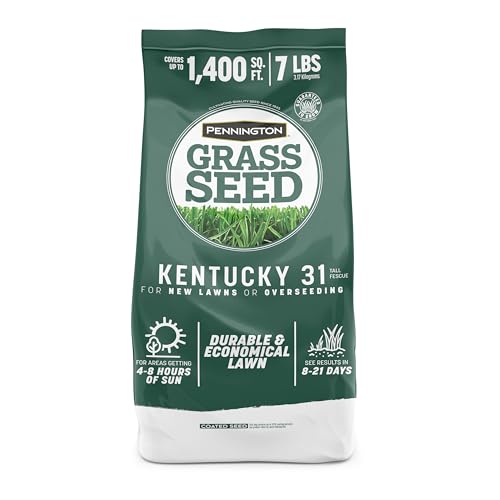
Choose a high-quality grass seed that matches your existing lawn type or an improved variety that thrives in your region. Consider factors like sun exposure, foot traffic, and drought tolerance. A blend of grass types is often more resilient than a single variety. -
Apply the Seed
Use a broadcast spreader for even coverage. Divide your seed into two equal parts and spread half in one direction (e.g., north-south) and the other half in a perpendicular direction (east-west). This ensures uniform distribution and prevents streaks. Apply at the recommended rate on the seed bag, typically 4-8 pounds per 1,000 square feet. -
Apply Starter Fertilizer
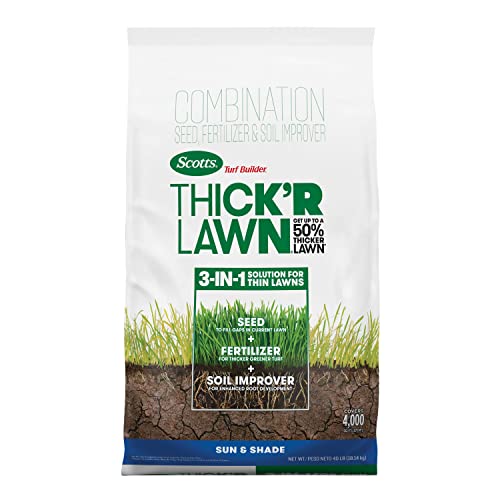
A starter fertilizer high in phosphorus is essential for strong root development. Apply it immediately after seeding, following the manufacturer's instructions. This gives the new seedlings the nutrients they need to grow quickly. -
Water Properly
Keeping the soil consistently moist is critical for germination. Water lightly and frequently—about 2 to 3 times a day for the first 2 to 3 weeks. Once the grass is established, you can reduce the frequency and increase the amount of water to encourage deep rooting. -
Aftercare & Mowing
Once the new grass reaches 3 to 4 inches, you can give it its first mow. Ensure your mower blades are sharp and never remove more than one-third of the blade height at a time. Continue with regular mowing tips and a balanced lawn fertilizing schedule to maintain the new growth.
Overseeding Tips & Troubleshooting
💧 Watering Wisely
Avoid overwatering, which can lead to fungal diseases. Water in the early morning to allow the grass to dry before nightfall.
🧪 Soil Testing
Consider a soil guide to test your soil's pH and nutrient levels. Amending the soil before overseeding can significantly improve results.
🌱 Weed Control
Avoid using pre-emergent herbicides before or immediately after overseeding, as they will prevent the new grass seeds from germinating. Focus on organic weed killer methods for existing weeds.
🚫 Avoid Compaction
Minimize foot traffic on the newly seeded areas until the grass is well-established. If you have a small yard design, consider creating temporary pathways.
Common Overseeding Mistakes to Avoid
- Using Old Seed: Grass seed loses viability over time. Always check the "sold by" or "tested" date on the packaging.
- Overlooking Preparation: Skipping dethatching or aeration is a common error that drastically reduces seed-to-soil contact.
- Inconsistent Watering: Allowing the soil to dry out, even for a short period, can kill delicate new seedlings.
- Planting at the Wrong Time: Seeding in the middle of summer or winter will likely result in failure due to extreme temperatures.
- Not Using Starter Fertilizer: Without the right nutrients, seedlings will struggle to establish a robust root system.
Is Overseeding Right for You?
If your lawn has thinning areas, bare spots, or you simply want a more luxurious look, overseeding is the answer. It's a cost-effective and environmentally friendly way to rejuvenate your yard. For a comprehensive approach to total lawn renovation, combine overseeding with proper lawn fertilizing, lawn aeration, and consistent mowing tips.
Address specific issues like brown patches or bare spots repair with targeted overseeding for a flawless finish. A dense, healthy lawn is also the best defense against dandelion control and crabgrass control.