How to Grow Onions: Your Step-by-Step Harvest Guide
Let gardening fill your pantry with flavor. Unlock the secrets to growing large, sweet, and long-lasting onions right in your backyard.
GET STARTEDLet Gardening Philosophy: Onions are a kitchen staple that deserve a spot in every vegetable garden. Whether you crave the mild taste of sweet onions or the robust punch of reds, understanding the specific needs of this bulb crop is the key to a bountiful harvest. Let gardening guide you from a tiny set to a hefty, cured bulb ready for winter storage.
Choosing the Right Onion Variety
Successful onion growing starts months before you even put a plant in the ground. Onions are photoperiodic, meaning they form bulbs based on day length. Planting the wrong type for your region is the most common reason for small bulbs. You must match the variety to your latitude.
Short-Day Onions
Best for Southern Gardens (Latitude 25-35°)
These onions begin bulbing when day length reaches 10-12 hours. They are known for being exceptionally sweet and are often grown through the winter in warmer climates. If you live where winters are mild, these are your best bet.
Popular varieties: Texas Sweet, Red Creole, White Bermuda, Yellow Granex (Vidalia type). They typically mature in 110 days from transplants.
Intermediate-Day Onions
Versatile for Middle America (Latitude 32-42°)
Requiring 12-14 hours of daylight to trigger bulb formation, these are among the most adaptable and widely planted onions. They offer a great balance between sweetness and storage potential, making them a reliable choice for many home gardens.
Popular varieties: Candy (a sweet hybrid), Super Star, Red Candy Apple. Expect maturity in around 100-110 days.
Long-Day Onions
Essential for Northern Gardens (Latitude 37-47°)
If you live in the northern states, you must plant long-day onions. They need 14-16 hours of daylight to bulb up. The long summer days of the north are perfect for them. They are generally pungent and store extremely well, lasting through the winter.
Popular varieties: Yellow Sweet Spanish, Red Wethersfield, Walla Walla (a sweet overwintering type for the Pacific Northwest), Ailsa Craig. They take about 90-120 days to mature.
Planting Onions: Seeds, Sets, or Transplants?
You can start your onion journey in three distinct ways. Your choice will impact your timeline, initial effort, and final bulb size. There’s no single "best" method, but one will fit your schedule and budget perfectly.
Growing from Seed
Most economical, but slowest. Start seeds indoors 10-12 weeks before your last frost date. Sprinkle seeds densely in a flat of high-quality potting mix. When seedlings are about 3 inches tall, trim them back to 2 inches to encourage thicker growth. Plant them out in early spring. This method offers the widest variety selection.
Growing from Sets
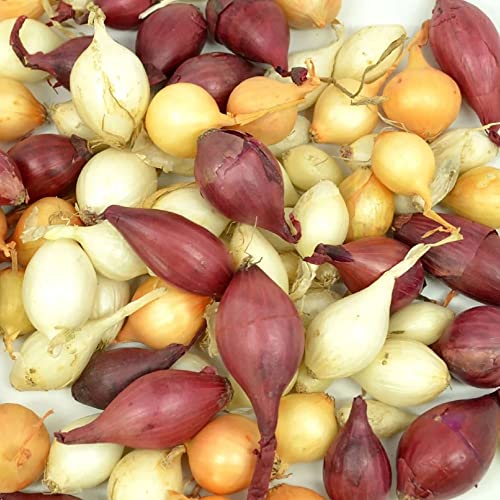
Easiest for beginners. Sets are tiny, dormant onion bulbs. They are extremely easy to plant and establish quickly. However, they are more prone to bolting (sending up a flower stalk) because they are already in their second year of life. For best results, choose sets that are smaller than a dime, and plant them just after the ground is workable.
Growing from Transplants
The pro gardener's choice. Sold as bundles of slender, green seedlings, transplants are the most reliable way to grow large bulbs. They are less likely to bolt than sets and give you a significant head start over seeds. Plant them 1 inch deep, spaced 4-6 inches apart, in rows 12-18 inches apart. For a bountiful supply, you can successfully intercrop them with fast-growing companions like lettuce or carrots.
The Perfect Growing Conditions
Onions are heavy feeders with shallow, inefficient root systems. Because their roots don't explore much soil volume, everything they need must be right where they can reach it. This makes soil preparation a critical step for developing large, layered bulbs.
The Golden Rules for a Prizewinning Crop
- Soil: Onions demand loose, well-drained, fertile soil with a pH between 6.0 and 6.8. Amend your bed generously with compost. A raised bed filled with a custom soil mix is an ideal environment that provides the uncompacted structure onion roots crave.
- Sunlight: Select a location that receives full sun—at least 6 hours of direct light per day. Onions use the energy from their leaves to build the bulb, so insufficient light leads to underwhelming results.
- Watering: This is a make-or-break factor. Provide roughly 1 inch of water per week through a consistent schedule. A drip irrigation or soaker hose setup is superior to overhead sprinklers as it conserves moisture and prevents foliar diseases. Stop watering when the tops begin to yellow and fall over naturally.
- Fertilizer: Start with a nitrogen-rich fertilizer (like a 10-5-5 blend) every two weeks to build big, lush tops. The size of the green top directly determines the final bulb size. Once the bulb begins to push through the soil, stop fertilizing. Avoid high-nitrogen feeds after bulbs start forming.
Protecting Your Crop
While relatively resilient, onions can face a few key adversaries. Being proactive is easier than trying to save a crop mid-infestation, especially since onions have a long growing season.
Common Pests
Onion Thrips: These tiny insects rasp at the leaves, leaving silvery scars. They thrive in hot, dry conditions. A strong jet of water or an insecticidal soap can control them.
Onion Root Maggots: The larvae of a small fly that burrow into the base of the bulb. Practice strict crop rotation and avoid planting onions where any allium family crops have grown in the last 3 years. A layer of diatomaceous earth around the base of young plants can deter egg-laying.
Disease Prevention
Downy Mildew: A fungal disease causing purple-grey fuzzy spots on leaves in cool, damp conditions. Ensure wide plant spacing for good air circulation and use a preventative organic copper fungicide.
Basal Rot: The bulb rots from the base plate upwards, and there is no cure once it's established. Prevention relies on well-drained soil and not overwatering, especially in heavy clay. Healthy soil is your first defense.
The best defense is a healthy ecosystem. Planting onions alongside aromatic culinary herbs like dill and chamomile can help repel pests. Strategic companion planting also confuses pests and can reduce pressure on your crop.
When and How to Harvest & Cure
The moment of truth arrives when your onion tops begin to flop over. This natural signal marks the end of the plant's growth cycle. How you handle the next few weeks will determine whether you enjoy your onions fresh for a week or store them successfully for months.
Pro Tip for Year-Round Supply: To keep your pantry stocked, plant a combination of varieties. Start with short-day onions for an early summer harvest, and follow up with long-day varieties harvested in late summer for a winter's worth of storage.