Choosing Your Bean Variety: Bush vs. Pole
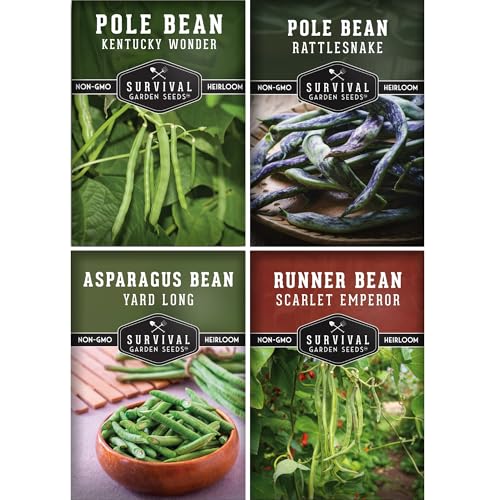
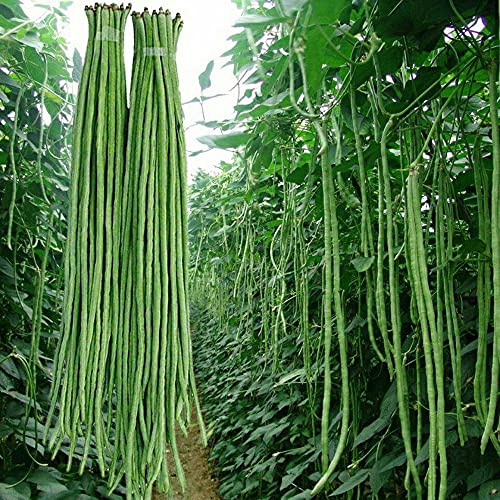
The first critical decision in your bean-growing journey is selecting between bush beans and pole beans. Bush varieties, like 'Provider' or 'Blue Lake 274', grow into compact, self-supporting plants about two feet tall and produce a concentrated harvest over a few weeks. They are perfect for small spaces, containers, and square foot gardening. Pole beans, such as 'Kentucky Wonder' or 'Scarlet Runner', are climbing vines that require a trellis, teepee, or other support. They mature more slowly but produce a continuous yield over a much longer season, making them ideal for maximizing vertical space. Consider also growing unique varieties like asparagus beans (yardlong beans) for a tender, slightly nutty flavor that thrives in hot weather.
Preparing the Perfect Soil and Planting Site
Beans thrive in a sunny location receiving at least 6 to 8 hours of direct sunlight daily. The key to a vigorous crop is well-draining soil rich in organic matter. Unlike many vegetables, beans fix their own nitrogen, so avoid high-nitrogen fertilizers which will promote lush foliage at the expense of pods. Instead, work a few inches of aged compost into the top 6 inches of soil before planting to improve texture and provide a balanced nutrient supply. The ideal soil pH is between 6.0 and 6.8. A common mistake is planting too early; beans are extremely sensitive to frost and cold, wet soil, which can cause seeds to rot. Wait until the soil temperature is reliably at least 60°F (16°C), usually a week or two after your last expected spring frost.
Step-by-Step Planting Instructions
For a reliable crop, direct sowing is highly recommended as beans have delicate roots that dislike transplanting. Sow seeds 1 inch deep and 2 to 3 inches apart in rows. For bush beans, space rows 18 to 24 inches apart. For pole beans, set up your vertical support structure at planting time to avoid disturbing roots later; plant 4 to 6 seeds around each pole or at the base of a trellis, thinning to the 3 strongest seedlings once they sprout. To ensure a continuous harvest of bush beans, practice succession planting by sowing a new row every two to three weeks until mid-summer. Water the planting area gently but thoroughly immediately after sowing, and keep the soil consistently moist until germination, which typically occurs in 8 to 10 days.
Essential Care: Watering, Mulching, and Companions
Consistent moisture is the secret to high-quality pods. Provide your bean plants with about 1 to 1.5 inches of water per week, ideally from a drip irrigation system or a soaker hose at the base of the plants to keep foliage dry and prevent fungal diseases. Apply a 2- to 3-inch layer of organic mulch, such as straw or shredded leaves, around plants once they've sprouted. This conserves soil moisture, suppresses weeds, and regulates soil temperature. When planning your garden layout, beneficial companion planting for vegetables can boost your beans' health. Savory, marigolds, and potatoes are excellent neighbors, while alliums like onions and garlic are best kept at a distance.
Managing Pests and Preventing Diseases
Vigilance is your best tool against common problems. Mexican bean beetles look like yellow ladybugs and can skeletonize leaves; handpick adults, crush their yellow egg clusters on leaf undersides, and use insecticidal soap for heavy infestations. Aphids and spider mites can be knocked off plants with a strong jet of water. The most common disease, powdery mildew, appears as a white dusting on leaves in humid conditions. Prevent it by ensuring good air circulation and watering only the soil, not the leaves. An effective natural pest control strategy starts with healthy soil and beneficial insects. Rotate your bean crop to a different part of the garden each year in a 3-year crop rotation plan to prevent soil-borne diseases from building up.
How and When to Harvest for Peak Flavor
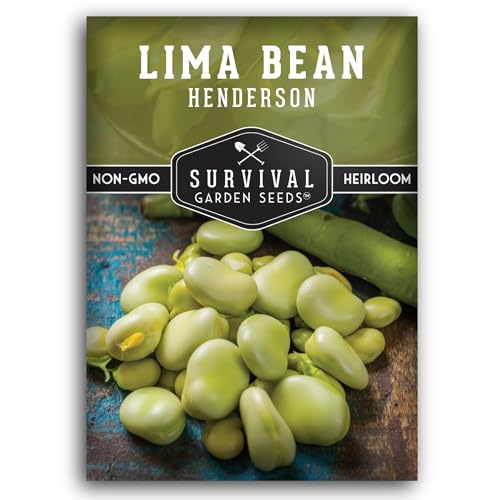
The reward for your patience is a basket of crisp, tender beans. The key is knowing when to harvest for the best texture and to encourage more production. Pick snap beans (green, yellow, or purple) when the pods are firm, crisp, and have reached their full length but before the seeds inside visibly swell. They should snap cleanly in half. Harvest daily once they start producing; any pod left to mature fully on the plant will signal it to stop flowering, ending your harvest prematurely. For shelling beans like horticultural or lima beans, wait until the pods change color and the beans are plump inside. Use two hands to pick, holding the stem with one and gently pulling the pod with the other, to avoid breaking brittle branches. For storing your surplus, learn the best methods for storing vegetables like blanching and freezing to preserve their fresh-picked taste for months.