Find the Perfect Garden Gloves for Your Green Thumb
Protect your hands while you grow. Our expert guide helps you choose the best garden gloves for comfort, durability, and the task at hand.
Shop Top-Rated GlovesLet Gardening Tip: The right pair of garden gloves can make all the difference. They protect you from thorns, blisters, and soil-borne irritants, while also providing the grip and dexterity you need to handle delicate plants and tools with confidence. Invest in quality gloves, and your hands will thank you after every session in the garden.
Why the Right Garden Gloves Matter
Garden gloves are more than a simple accessory—they are an essential piece of equipment for anyone who spends time working with plants, soil, and tools. Whether you're pulling weeds, pruning roses, planting bulbs, or mixing soil, your hands are your most valuable tools, and they deserve protection.
Wearing the correct garden gloves helps prevent blisters, calluses, cuts, and exposure to harmful bacteria or chemicals. They also improve your grip, allowing you to work more efficiently and safely. In this guide, we'll walk you through everything you need to know to choose the best gloves for your specific needs, from materials and fit to specialized features.
Types of Garden Gloves
Not all garden gloves are created equal. The best pair for you depends on the type of gardening you do most often. Here’s a breakdown of the most common types:
🧤 General Purpose
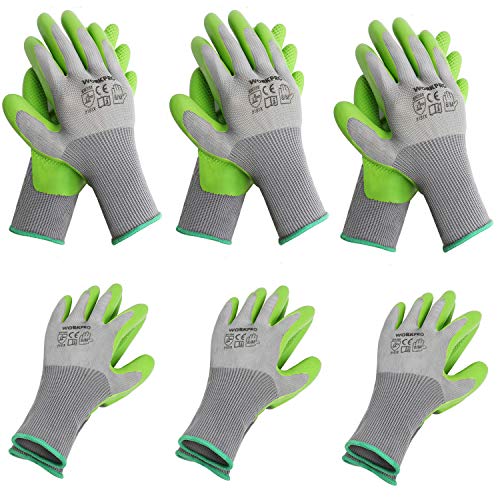
Lightweight, breathable gloves ideal for planting, weeding, and general garden maintenance. Often made of cotton or polyester with a nitrile or latex palm.
🌹 Rose & Thorn
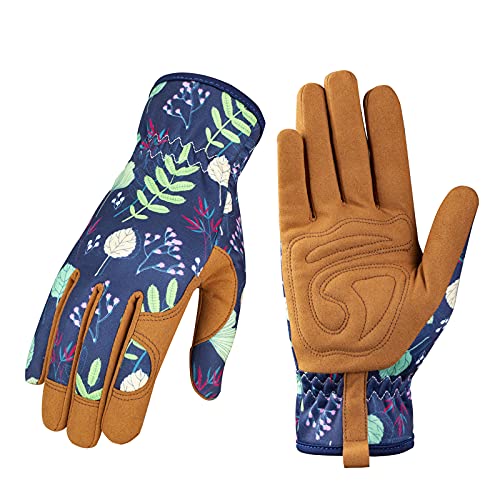
Made from thick leather or heavy-duty synthetic materials, these gloves protect against sharp thorns and prickly branches. They often feature extended cuffs.
🌱 Nitrile Coated
Excellent for wet or muddy conditions. Nitrile offers great grip and is resistant to punctures, oils, and many garden chemicals.
🌿 Leather
Classic and durable. Leather gloves provide excellent protection and are great for heavy-duty work like moving rocks, pruning, or handling rough materials.
Understanding Glove Materials
The material of your garden gloves determines their comfort, durability, and level of protection. Here’s a closer look at the most common materials used in gardening gloves:
- Cotton: Lightweight and breathable, perfect for light tasks but offers minimal protection against thorns or moisture.
- Nitrile: Synthetic rubber that is puncture-resistant, waterproof, and offers excellent grip in wet conditions. Ideal for most gardening tasks.
- Latex: Provides a snug fit and great dexterity but may cause allergic reactions in some individuals.
- Neoprene: Offers excellent chemical resistance, good grip, and insulation, making it suitable for wet and cold weather gardening.
- Leather: Durable, breathable, and tough. It molds to your hand over time, offering comfort and excellent protection for heavy work. Pigskin and goatskin are common choices.
Pro Tip: For the best balance of protection, comfort, and durability, look for gloves with a leather palm and a breathable fabric back. This combination gives you the toughness of leather where you need it most, while keeping your hands cool and comfortable.
Finding the Right Fit
A well-fitting glove is essential for both comfort and performance. Gloves that are too tight can restrict circulation and cause fatigue, while loose gloves can slip and reduce dexterity.
Most garden gloves come in sizes S, M, L, and XL. To find your size, measure the circumference of your dominant hand around the knuckles, excluding the thumb. A good fit should feel snug but not tight, with no excess material at the fingertips.
Remember, different brands may vary in sizing. Always check the manufacturer's sizing chart before purchasing. When in doubt, it's often better to size up, as you can always wear a thin liner glove underneath for a better fit.
Caring for Your Garden Gloves
To extend the life of your garden gloves, proper care is essential. Here are some tips to keep them in top shape:
- Clean regularly: After each use, brush off excess dirt. For deeper cleaning, follow the manufacturer's instructions. Many gloves are machine-washable, but leather gloves should be wiped clean and conditioned.
- Dry properly: Avoid drying gloves in direct heat (like a dryer or radiator) as this can cause shrinkage or damage. Air dry them in a cool, shaded area.
- Store correctly: Store your gloves in a cool, dry place away from direct sunlight to prevent the material from degrading.
- Inspect for wear: Regularly check for holes or thinning material. Replace your gloves when they no longer offer adequate protection.
Complement Your Gloves with the Right Tools
While garden gloves protect your hands, the right tools make the job easier and more efficient. A complete arsenal includes pruners, trowels, and kneelers. Explore our comprehensive garden tools section for reviews and guides on pruning shears, trowels and hand forks, and weeding tools to tackle any garden task.
For larger projects, consider our guides on tillers and cultivators and chainsaws. And don't forget about comfort—a garden kneeler can save your back and knees, making your time in the garden more enjoyable.
Ready to find your perfect pair of garden gloves? Below, we’ve curated a selection of top-rated garden gloves that meet the highest standards of quality, comfort, and protection. Whether you need lightweight gloves for delicate work or heavy-duty gloves for tough jobs, you'll find the ideal option here. Click on any product to learn more and make a purchase—your hands will thank you!