Lawn Mower Types: The Complete Guide to Choosing the Right Mower
Push, self-propelled, riding, zero-turn, reel, or robotic — every lawn mower type serves a different purpose. Understand the strengths and trade-offs of each so you can pick the mower that matches your lawn, terrain, and lifestyle.
Explore Mower TypesWhy the right mower type matters: Choosing the wrong lawn mower leads to wasted effort, uneven cuts, and unnecessary maintenance headaches. The best mower type depends on your lawn size, terrain, grass species, storage space, and how much physical effort you are willing to invest. This guide breaks down every major lawn mower category so you can make a confident, informed decision before you buy.
Understanding the Major Lawn Mower Types
Lawn mowers are not a one-size-fits-all purchase. A mower that performs beautifully on a flat quarter-acre suburban lot may struggle on a sloped, uneven property — and vice versa. The first step is understanding how each mower type generates power, cuts grass, and handles terrain. Below, we break down each category with its ideal use case, advantages, and limitations.
Whether you are maintaining a compact front yard or managing several acres, this guide will help you match the mower to your property. For a broader look at maintaining a healthy lawn after mowing, explore our lawn care guides, and if you are still comparing models, our lawn mower reviews offer detailed hands-on insights.
Push Mower
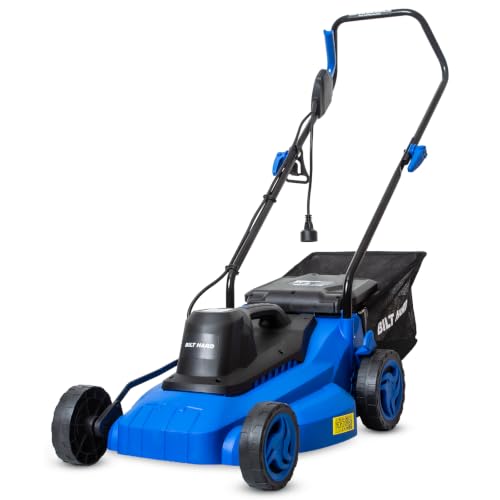
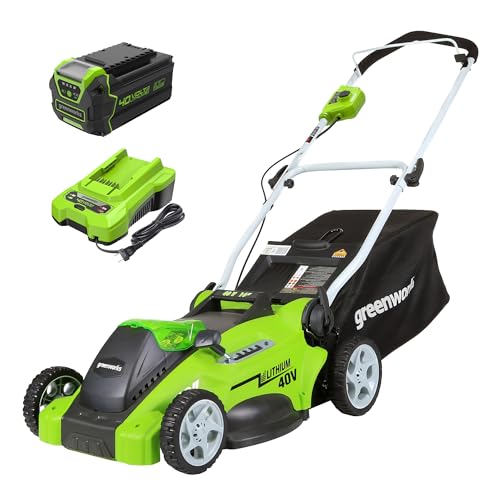
Entry-Level / Budget-FriendlyA push mower is powered entirely by the operator's effort. It is the simplest and most affordable mower type, ideal for small, flat lawns. Modern push mowers come in gas, corded electric, and cordless electric variants. Cordless electric models are increasingly popular because they start instantly, run quietly, and require far less maintenance than gas engines.
Pros
- Most affordable option
- Lightweight and easy to store
- Minimal maintenance
- Quiet operation (electric)
Cons
- Requires physical effort
- Slow on larger lawns
- Not ideal for slopes
Self-Propelled Mower
Mid-Range / Best All-RounderA self-propelled mower uses a powered drive system to move the machine forward, reducing the operator's physical effort. It is the most popular choice for medium to large residential lawns, especially those with gentle slopes. Available in gas and electric models, self-propelled mowers balance maneuverability, power, and affordability.
Pros
- Reduces physical strain
- Handles slopes and uneven terrain
- Faster mowing on medium lawns
- Wide range of models
Cons
- Heavier than push mowers
- Higher cost than push models
- Drive system needs maintenance
Riding Mower
Premium / Large LawnsA riding mower, also called a lawn tractor, lets you sit while mowing. It is designed for large lawns — typically half an acre or more — and handles wide cutting decks efficiently. Riding mowers use a steering wheel and are well-suited for open, gently contoured properties. Many models support attachments like baggers, spreaders, and trailers.
Pros
- Covers large areas fast
- Minimal physical effort
- Supports useful attachments
- Comfortable for long sessions
Cons
- High initial investment
- Requires large storage space
- Less agile around obstacles
Zero-Turn Mower
Premium / High-EndA zero-turn mower can rotate in place, thanks to independent hydraulic drive systems on each rear wheel. This makes it exceptionally maneuverable around trees, flower beds, and landscaping features. Zero-turn mowers are faster than traditional riding mowers and are favored by homeowners with large, obstacle-rich lawns. They require practice to operate smoothly.
Pros
- Exceptional maneuverability
- Fastest mowing speed
- Excellent cut quality
- Great for complex lawns
Cons
- High-end investment
- Steep learning curve
- Not ideal for steep slopes
Reel Mower
Entry-Level / Eco-FriendlyA reel mower uses spinning blades that scissor-cut grass against a stationary bed knife — the same principle used by golf course greenskeepers. Manual reel mowers are push-powered, while powered reel mowers exist for larger turf areas. Reel mowers deliver an exceptionally clean cut and are ideal for small, flat, well-maintained lawns.
Pros
- Cleanest scissor cut
- Zero fuel or electricity
- Very quiet
- Low maintenance cost
Cons
- Requires frequent mowing
- Struggles with tall grass
- Needs flat, smooth lawns
Robotic Mower
Luxury / Hands-Off ConvenienceA robotic lawn mower operates autonomously, navigating your lawn using boundary wires or GPS and returning to its charging dock when needed. It cuts grass continuously in tiny increments, keeping the lawn consistently trimmed. Robotic mowers are a luxury option best suited for relatively flat, obstacle-free lawns where a hands-off mowing experience is the priority.
Pros
- Fully automatic operation
- Consistent, frequent cutting
- Very quiet
- No physical effort required
Cons
- Luxury-tier investment
- Requires boundary setup
- Not ideal for complex lawns
Lawn Mower Types at a Glance
Use this comparison table to quickly match mower types to lawn size, terrain, and effort level. Descriptors reflect relative market positioning, not absolute pricing.
| Mower Type | Ideal Lawn Size | Terrain Suitability | Effort Level | Market Tier | Best For |
|---|---|---|---|---|---|
| Push Mower | Up to ¼ acre | Flat, even ground | High (manual) | Entry-Level | Small yards, budget-conscious buyers |
| Self-Propelled | ¼ to ½ acre | Gentle slopes, uneven ground | Moderate | Mid-Range | Most residential lawns, all-round use |
| Riding Mower | ½ acre and up | Open, gently contoured | Low | Premium | Large, open properties |
| Zero-Turn | ½ acre and up | Complex, obstacle-rich lawns | Low (after practice) | Premium / High-End | Large lawns with trees and beds |
| Reel Mower | Up to ½ acre | Very flat, smooth turf | High (manual) | Entry-Level | Eco-friendly, precision-cut lawns |
| Robotic Mower | Up to ¾ acre (model-dependent) | Flat, open, obstacle-free | Minimal | Luxury | Hands-off convenience, tech-savvy owners |
Key Factors When Choosing a Lawn Mower Type
Beyond the mower category itself, several practical factors influence which type will serve you best. Consider these before narrowing down your options.
Lawn Size and Shape
Small, irregular yards favor push or reel mowers. Medium rectangular lawns are ideal for self-propelled models. Large, open properties justify a riding or zero-turn mower. Robotic mowers work best on well-defined, simple lawn shapes. For help maintaining a perfectly trimmed lawn, see our mowing tips guide.
Terrain and Slope
Slopes demand self-propelled or riding mowers with strong traction. Zero-turn mowers excel on flat terrain but can lose traction on steep inclines. Reel mowers require very flat ground. If your lawn has drainage issues or uneven grading, explore our drainage solutions before choosing a mower.
Power Source
Gas mowers offer unlimited runtime and high power but need fuel, oil changes, and tune-ups. Cordless electric mowers are quieter, lighter, and low-maintenance, though runtime is limited by battery capacity. Corded electric models are best for small lawns near an outlet. Consider your tolerance for maintenance before deciding.
Storage and Maintenance
Riding and zero-turn mowers require significant storage space — a garden shed or garage bay. Push and reel mowers store easily in tight spaces. Robotic mowers need a dock with power access. Regular maintenance varies widely: gas engines need oil and spark plugs; electric motors need very little. For tool care guidance, see clean and sharpen tools.
Cut Quality and Grass Health
Reel mowers deliver the cleanest scissor cut, which promotes healthier grass. Rotary mowers (push, self-propelled, riding, zero-turn) cut by impact and require sharp blades for a clean finish. Dull blades tear grass and invite disease. Regardless of mower type, sharpen blades regularly and follow our lawn fertilizing schedule for best results.
Budget and Long-Term Value
Entry-level push and reel mowers are the most affordable upfront. Mid-range self-propelled mowers offer the best balance of cost and capability. Premium riding and zero-turn mowers demand higher investment but deliver speed and comfort for large properties. Luxury robotic mowers are a convenience purchase. Match the tier to your long-term needs, not just the initial outlay.
Your grass species also influences mower choice. Warm-season grasses like St. Augustine grass and Bermuda grass thrive with frequent, slightly higher cuts, while cool-season grasses like fescue grass and Kentucky bluegrass benefit from sharp reel or rotary mowers. Always set your cutting height according to your grass type for optimal lawn health.
Ready to Find Your Perfect Mower?
Now that you understand the major lawn mower types, browse our curated selection of recommended mowers and lawn care equipment below. Every product is chosen to help you achieve a healthier, better-looking lawn with less effort.
View Recommended MowersFrequently Asked Questions About Lawn Mower Types
For small yards under a quarter acre, a push reel mower or a lightweight electric push mower is usually the best choice. They are easy to maneuver, require minimal storage space, and are budget-friendly. A cordless electric push mower offers the best balance of convenience and low maintenance for small lawns.
Yes, self-propelled mowers are worth it for medium to large lawns or yards with slopes. The powered drive system reduces physical effort, making mowing faster and less tiring. They are especially beneficial for gardeners with limited mobility or those mowing on uneven terrain.
A riding mower uses a steering wheel and is ideal for large, open lawns with gentle contours. A zero-turn mower uses lap bars or a steering wheel with zero-radius turning capability, allowing it to maneuver tightly around obstacles, trees, and flower beds. Zero-turn mowers are faster but require more practice to operate safely.
Yes, robotic lawn mowers work well for maintained, relatively flat lawns. They navigate using boundary wires or GPS, cut grass continuously in small increments, and return to their dock to recharge automatically. They are a premium option best suited for homeowners who want a hands-off mowing experience and have a lawn free of complex obstacles.
You should sharpen your lawn mower blade every 20 to 25 hours of mowing, or at least two to three times per season. A dull blade tears grass rather than cutting it cleanly, which leads to frayed tips, brown patches, and increased susceptibility to disease. Regular sharpening ensures a healthy, clean cut. For maintenance guidance, see our clean and sharpen tools guide.