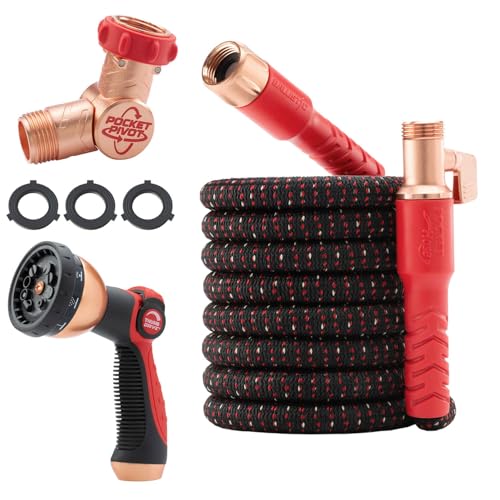
Garden Hoses: The Complete Guide to Choosing the Right Hose for Your Yard
Everything you need to know about garden hoses — materials, types, lengths, fittings, and maintenance — so you can water your garden efficiently and confidently.
Explore the GuideWhy the right garden hose matters: A garden hose is one of the most-used tools in any outdoor space, yet it is often overlooked. The wrong hose kinks, leaks, or wears out quickly, turning a simple watering task into a frustration. This guide breaks down every factor that matters — from material and length to fittings and storage — so you can make an informed decision before you buy.
Why the Right Garden Hose Makes a Difference
Watering is the backbone of healthy plant care, and your hose is the delivery system. A well-chosen garden hose maintains steady water pressure, resists kinking and tangling, and withstands sun exposure season after season. A poor-quality hose, on the other hand, wastes water through leaks and splits, and it can damage delicate plants when pressure fluctuates unpredictably.
Whether you tend a small patio container garden or a sprawling backyard, the hose you choose affects how efficiently you can reach every corner. Pairing a quality hose with the right hose nozzles and a reliable hose reel creates a watering setup that is easy to use and built to last.
Types of Garden Hoses Explained
Garden hoses come in several distinct styles, each designed for different watering needs, spaces, and levels of use. Understanding these categories is the first step toward picking the right one.
Standard Rubber Hose
Heavy-duty and highly durable, rubber hoses resist kinking, handle temperature extremes well, and last for many seasons. They are the go-to choice for serious gardeners with large yards.
Premium TierVinyl Hose
Lightweight and affordable, vinyl hoses work well for light-duty watering on patios and small gardens. They are less resistant to kinking and may stiffen in cold weather.
Budget-FriendlyExpandable Hose
These hoses expand when water flows and contract when empty, making storage easy. Ideal for small spaces, balconies, and casual watering, though generally less durable for heavy daily use.
Entry-LevelSoaker Hose
Designed to weep water slowly along its length, a soaker hose delivers moisture directly to plant roots. Excellent for garden beds, flower borders, and water conservation.
Mid-RangeFlat Hose
Flat hoses lie low and roll up compactly for storage. They are convenient for temporary setups and small spaces, but generally suited to lighter-duty watering tasks.
Mid-TierHeavy-Duty Commercial Hose
Built for frequent, demanding use, commercial-grade hoses offer reinforced walls and premium fittings. A high-end option for large properties and professional-level watering.
High-EndIf you already rely on a garden sprinkler or a gravity-fed drip irrigation system for raised beds, choosing a hose with strong pressure retention becomes even more important, as long runs can reduce flow to your irrigation setup.
Hose Materials Compared: Rubber vs. Vinyl vs. Hybrid
The material determines how flexible, durable, and weather-resistant your hose will be. Here is a side-by-side comparison of the three most common hose materials.
| Feature | Rubber | Vinyl | Hybrid |
|---|---|---|---|
| Durability | Excellent — long lifespan | Moderate — wears faster | Good — balanced |
| Kink Resistance | High | Low to moderate | Moderate to high |
| Flexibility | Excellent in all temps | Stiffens in cold | Good |
| Weight | Heavier | Lightweight | Moderate |
| Best For | Frequent, long-term use | Light-duty, casual use | Everyday general use |
| Position in Market | Premium tier | Affordable tier | Mid-range tier |
For most gardeners, a hybrid hose offers a practical middle ground, while rubber hoses remain the gold standard for longevity. If your garden includes raised beds or container plants, matching hose material to the garden tools you already own helps keep your watering routine cohesive and efficient.
Choosing the Right Length and Diameter
Length and diameter both affect water pressure and usability. A hose that is too long loses pressure over distance, while a hose that is too short forces you to move the spigot or stretch awkwardly.
Hose Length
- 25 feet: Best for small patios, balconies, and compact front yards.
- 50 feet: The most versatile choice for average residential yards.
- 75 feet and beyond: Suited to large properties; be aware that pressure drops over long runs.
Hose Diameter
- 1/2 inch: Lightweight and easy to handle, good for small gardens and containers.
- 5/8 inch: The most common size, balancing flow rate and manageability.
- 3/4 inch: Delivers the highest flow, ideal for large lawns and filling large containers.
A 5/8-inch hose in a 50-foot length is the standard recommendation for most home gardens. Combine it with a quality garden hose selection strategy and you will have a setup that reaches every part of your yard without wasting water.
Fittings, Couplings, and Connections
The fittings on either end of your hose determine how securely it connects to your spigot, nozzle, and sprinkler. Most residential hoses use standard 3/4-inch threaded fittings, but the material and design of those fittings matter just as much as the hose itself.
Brass fittings resist corrosion and hold up far better than plastic over time, making them a hallmark of premium hoses. Quick-connect systems can simplify swapping between attachments, which is especially handy if you alternate between a hose nozzle and a garden sprinkler. Always check that replacement fittings match your hose diameter to prevent leaks.
How to Maintain and Store Your Garden Hose
Proper care extends the life of any hose, regardless of its tier. A few simple habits keep your hose flexible, leak-free, and ready for the next watering session.
- Drain the hose completely before storing it to prevent mold and freezing damage.
- Store hoses on a reel or hanger rather than coiling them on the ground, which causes kinks.
- Avoid leaving hoses in direct sun for long periods, as UV exposure degrades most materials.
- Check fittings and washers periodically and replace worn parts before leaks develop.
- Bring hoses indoors or drain them before the first freeze in cold climates.
A dedicated hose reel is one of the simplest upgrades you can make for both organization and hose longevity. If your watering setup includes storage structures, explore garden sheds for a sheltered place to keep hoses and related equipment out of the elements.
Quick Buying Checklist
Before you commit to a purchase, run through this checklist to make sure the hose fits your garden and habits.
- Measure the distance from your spigot to the farthest watering point and add a few feet.
- Choose a material that matches how often you water — rubber for daily use, vinyl for occasional.
- Confirm the diameter suits your flow needs — 5/8 inch works for most gardens.
- Look for brass or reinforced fittings for durability.
- Plan for storage with a reel or hanger to prevent kinks and extend lifespan.
- Consider a soaker hose or drip system for garden beds to save water.
Frequently Asked Questions
What is the best garden hose material for durability?
Rubber hoses are generally the most durable and flexible across temperature extremes. They resist kinking better than vinyl and last longer in sunny conditions, making them a premium choice for long-term use.
How long should a garden hose be?
Choose a hose length based on the distance from your spigot to the farthest watering point, plus a few extra feet for maneuvering. Common lengths are 25, 50, and 75 feet. Avoid overly long hoses, as they reduce water pressure.
Are expandable garden hoses worth it?
Expandable hoses are lightweight, compact, and easy to store, ideal for small patios and balconies. However, they are generally less durable than rubber hoses and best suited for light-duty, occasional watering.
How do I prevent my garden hose from kinking?
Choose a hose with reinforced construction or a kink-resistant design, use a hose reel or hanger to store it properly, and avoid sharp bends during use. Rubber hoses naturally resist kinking better than vinyl.
Final thoughts: A garden hose is a long-term investment in your outdoor space. By matching the hose type, material, length, and fittings to your specific garden, you will spend less time untangling and more time enjoying healthy, well-watered plants. Use the recommendations above as your buying framework, and pair your new hose with the right accessories for a complete watering system.