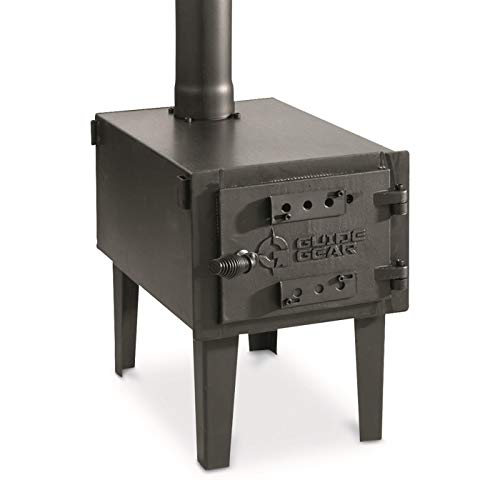
Chiminea Guide: Choosing, Using & Caring for Outdoor Heaters
Everything you need to know about chimineas — from material and design choices to safe placement, seasonal maintenance, and long-term durability — so you can enjoy a warmer, more inviting outdoor space.
EXPLORE CHIMINEA TYPESWhy a chiminea deserves a place on your patio: A chiminea is more than just an outdoor heater. It creates a natural gathering point, extends the usable hours of your garden, and adds a focal element that complements your outdoor living setup. Unlike open fire pits, a chiminea funnels smoke upward through a chimney, reducing smoke at eye level and directing heat in a more controlled way.
This guide is written for homeowners who already know they want a chiminea but need clear, practical information before choosing a model. We will walk through materials, placement, safety, and care — without overwhelming you with technical jargon. By the end, you should feel confident selecting a chiminea that fits your space, climate, and lifestyle.
Why Choose a Chiminea Over Other Outdoor Heaters
Chimineas have a distinct set of advantages that make them a smart choice for many patios and gardens. Understanding these benefits helps you decide whether a chiminea is the right fit or whether a fire pit or patio heater might serve you better.
Smoke Direction
The chimney design lifts smoke above seated guests, making chimineas noticeably more comfortable than open fire pits in calm weather.
Focused Heat
Radiant heat is directed outward from the firebox, warming the immediate seating area efficiently without wasting energy.
Visual Focal Point
With their sculptural silhouette, chimineas act as a design feature even when not lit, complementing garden ornaments and hardscaping.
Fuel Flexibility
Many models burn seasoned hardwood, while others support charcoal or bio-ethanol, giving you options based on your local regulations.
Weather Tolerance
Cast iron and steel chimineas handle rain and frost well; clay models require more protection but offer a traditional look.
Compact Footprint
Chimineas fit comfortably on smaller patios and balconies where a full fire pit table would be too large or heavy.
If you are still comparing outdoor heating options, it helps to think about how you plan to use the space. A chiminea is ideal for evening conversations and quiet relaxation. For larger gatherings that need broader heat coverage, a concrete fire pit table with hidden propane tank may be more practical. Many gardeners combine both elements — a chiminea for ambiance and a fire pit for group warmth.
Types of Chimineas: Materials and Trade-offs
The material of a chiminea determines its weight, heat output, maintenance needs, and visual character. Below is a comparison of the most common types, using universal quality tiers rather than specific prices.
| Material | Heat Output | Durability | Maintenance | Market Tier |
|---|---|---|---|---|
| Clay / Terracotta | Moderate, gentle radiant heat | Good in mild climates; prone to cracking in hard frost | Requires sealing and shelter from rain | entry-level to mid-range |
| Cast Aluminum | Good, with faster heat-up than clay | Rust-resistant and lightweight | Minimal; wipe clean and cover seasonally | mid-range |
| Cast Iron | High, long-lasting heat retention | Excellent, but heavy and requires rust care | Seasonal oiling and touch-up painting | mid-range to premium |
| Steel | High, efficient with good airflow | Very good when powder-coated | Check for chips; repaint as needed | mid-tier to high-end |
| Stone / Concrete Composite | Moderate to high, very stable | Outstanding weather resistance | Low; occasional cleaning | premium to luxury |
Clay chimineas are the traditional choice and suit cottage-style gardens beautifully. However, if you live in an area with freezing winters, a cast aluminum or steel model will generally last longer with less fuss. Cast iron offers a classic weighty feel and excellent heat retention, but it is best for homeowners who do not need to move the chiminea frequently. For a broader look at complementary outdoor structures, see our garden structures guide.
Placement and Safety: Getting It Right the First Time
Proper placement protects your home, your landscaping, and the chiminea itself. These guidelines apply to nearly all fuel types, though local regulations may add specific requirements.
- Keep a clear zone: Place the chiminea on a non-combustible surface such as concrete, stone, or a dedicated fire-resistant mat. Maintain at least 10 feet of clearance from buildings, fences, and low tree branches.
- Mind the wind: Position the chimney opening so that prevailing winds carry smoke away from seating and doorways. Avoid placing it in a corner where smoke can swirl.
- Check overhead structures: Never place a chiminea under a wooden pergola, fabric canopy, or low awning. If you need shade, use a cantilever umbrella that can be moved aside when the chiminea is lit.
- Stabilize the base: Use a level, solid footing. Some models include legs that can sink into soft ground; place a paver underneath each leg to prevent tipping.
- Respect local rules: Some neighborhoods restrict open flames or require specific setbacks. Always confirm before your first burn.
If your patio is part of a larger landscaping plan, think about how the chiminea relates to pathways and seating. A well-placed chiminea can define a conversation zone without blocking circulation. For homes with gravel or stone pathways nearby, ensure sparks cannot reach dry vegetation — the same principle that applies when you use gravel landscaping around fire features.
Fuel Selection and Lighting Technique
The fuel you choose affects heat, smoke, and maintenance. Here is a practical breakdown:
Seasoned Hardwood
The most common fuel. Use dry wood with less than 20% moisture to reduce smoke and creosote buildup. Avoid resinous softwoods like pine for regular use.
Charcoal
Burns hotter and more evenly than wood, with less smoke once fully lit. Useful for models with a grill attachment or for quick evening sessions.
Bio-Ethanol
A smokeless, ventless option for some modern designs. Best for ambiance rather than serious heat output; check whether your chiminea is rated for it.
Fire Starters
Use natural fire starters or a chimney starter rather than liquid accelerants, which can damage clay and leave residues.
To light a chiminea safely: place crumpled paper or a natural fire starter in the firebox, add kindling in a small teepee shape, and light it. Once the kindling is established, add small logs gradually. Avoid overloading — a fire that is too large can crack clay models and warp thinner steel. The same measured approach applies to compost bins and other outdoor equipment: gradual, controlled use extends lifespan.
Seasonal Care and Long-Term Maintenance
A chiminea that is cared for properly can last many seasons. The exact routine depends on material, but the principles are consistent.
- Clean ash regularly: Let ashes cool completely, then remove them. A thin layer of ash can protect the firebox floor, but excessive buildup reduces airflow.
- Protect from moisture: Clay chimineas should be covered or stored under shelter during heavy rain and winter. Metal models benefit from a breathable cover to prevent standing water.
- Inspect for cracks: Small hairline cracks in clay may be cosmetic, but deep cracks require repair or replacement. For metal models, touch up paint chips to prevent rust.
- Seasonal deep clean: At the start of the season, check the chimney for blockages such as bird nests or soot buildup. A clean chimney draws better and smokes less.
- Store smartly: If you store the chiminea indoors for winter, ensure it is fully dry to prevent mold or rust. Use a deck box or shed for accessories like covers and tools.
Homeowners who maintain a broader outdoor maintenance calendar will find that chiminea care fits naturally alongside other seasonal tasks. For example, late autumn is a good time to clean the chiminea, inspect garden sheds for leaks, and store cushions away from damp. A little preparation now prevents bigger problems later.
Enhancing the Chiminea Experience
A chiminea works best when it is part of a comfortable, well-planned outdoor room. Consider these complementary elements:
Seating Arrangement
Arrange chairs in a loose semicircle facing the chiminea. Adirondack-style seating or high-back swivel rocker patio chairs with cushions offer comfort for long evenings.
Ambient Lighting
Low-level lighting extends the atmosphere. Solar or battery-powered options work well alongside firelight without competing for attention.
Wind Protection
A gazebo or screen can reduce drafts, but ensure the chiminea is never placed under combustible roofing.
Accessory Storage
Keep fire tools, covers, and fire starters organized in a nearby garden shed or weatherproof cabinet.
For those who enjoy attracting wildlife to the garden, a chiminea can sit comfortably near a bird bath or feeding station, as long as smoke and heat do not disturb the area. The key is thoughtful zoning: fire features in one area, wildlife features in another.
Frequently Asked Questions About Chimineas
Can I use a chiminea on a wooden deck?
Only with proper protection. Place the chiminea on a non-combustible pad or stone slab and keep it away from deck railings. Check local codes, as some areas prohibit open-flame devices on wooden decks.
How much heat does a chiminea produce?
Heat output varies by material and fuel. Cast iron and steel models generally radiate more heat than clay. In practice, a well-lit chiminea can comfortably warm a seating area of several feet in mild weather.
Do chimineas smoke a lot?
They smoke less at eye level than open fire pits because the chimney lifts smoke upward. Smoke volume depends on fuel moisture, airflow, and wind. Using dry wood and keeping the chimney clear minimizes smoke.
How do I prevent my clay chiminea from cracking?
Light small fires first to cure the clay gradually, avoid sudden temperature changes, and protect the chiminea from rain and freezing conditions. A sealed surface and a breathable cover help significantly.
Can I cook on a chiminea?
Some models include grill attachments or are designed for cooking. Only use a chiminea for food if the manufacturer explicitly states it is safe for cooking, and always use food-safe fuel and tools.
How often should I clean my chiminea?
Remove ash after every few uses, and do a deeper clean at the start and end of the burning season. Inspect the chimney and firebox for cracks or blockages monthly during active use.
Ready to Choose Your Chiminea?
Browse our recommended chimineas and outdoor heating accessories below. Every product is selected to help you create a warmer, more inviting outdoor space with confidence.
VIEW RECOMMENDED CHIMINEASRelated reading: If you are planning a broader outdoor upgrade, explore our guides to outdoor living, landscaping, and garden tools to make every season more enjoyable.