Clover Removal: The Complete Guide to a Clover-Free Lawn
Let gardening help you reclaim your lawn! Learn the most effective methods to remove clover, prevent its return, and keep your grass healthy and vibrant.
Shop Clover Removal ToolsClover in your lawn can be a persistent and frustrating issue. While some homeowners appreciate its nitrogen-fixing properties and the white flowers that attract bees, many consider it an unwanted weed that disrupts the uniformity of a pristine grass lawn. Let gardening guide you through the most reliable strategies for clover removal, whether you prefer organic approaches or targeted chemical treatments.
This comprehensive guide covers everything you need to know: why clover appears, how to identify the type of clover in your yard, step-by-step removal techniques, and long-term prevention. By the end, you'll have a clear action plan to restore your lawn's beauty.
Why Does Clover Grow in Lawns?
Clover thrives in lawns for several reasons. It is a resilient plant that can grow in poor soil conditions where grass struggles. Clover also tolerates low nitrogen levels, which is why it often appears in lawns that are under-fertilized. Additionally, clover spreads quickly through stolons and seeds, making it highly invasive. Understanding these factors is the first step toward effective clover removal.
Key Fact:
Clover is a legume that fixes nitrogen in the soil. While this can benefit surrounding plants, it also means that clover can outcompete grass in nitrogen-deficient lawns. A well-fed lawn is your first line of defense.
Identifying Clover in Your Lawn
Before you start treatment, make sure you're dealing with clover and not another weed. The most common lawn clover is white clover (Trifolium repens), recognized by its three-lobed leaves and small white (or sometimes pinkish) flowers. Red clover is also common and has larger, reddish-purple blooms. Both spread via creeping stems and seeds. If you're unsure, compare your weed to images online or consult your local extension office.
How to Remove Clover: Effective Strategies
There are several proven methods to eliminate clover. Your choice depends on your lawn size, the extent of the infestation, and your personal preference for organic versus synthetic solutions. Below, we detail the most effective approaches.
1. Organic Clover Removal Methods
For those who prefer a natural approach, organic methods can be highly effective, especially for small infestations.
- Hand Pulling: For small patches, manually pulling clover is effective. Water the soil first to loosen it, and ensure you remove the entire root system to prevent regrowth.
- Corn Gluten Meal: This natural pre-emergent herbicide prevents clover seeds from germinating. Apply it in early spring before clover seeds sprout.
- Vinegar Solution: Household vinegar (5% acetic acid) can kill young clover. Spray it directly on the leaves on a sunny day. For better results, use horticultural vinegar (20-30% acetic acid), but handle with care as it's potent.
- Boiling Water: Pouring boiling water directly onto clover plants is a quick, chemical-free way to kill them. Be careful not to damage nearby grass.
2. Chemical Clover Removal (Herbicides)
For larger or persistent infestations, chemical herbicides offer a faster and more comprehensive solution.
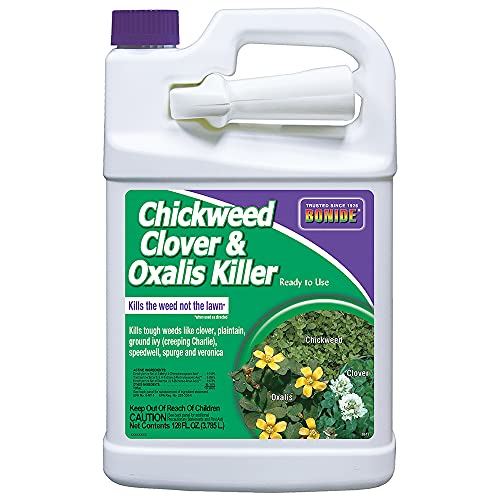
- Selective Broadleaf Herbicides: Products containing 2,4-D, dicamba, or MCPA are effective against clover while leaving grass unharmed. Look for a weed killer labeled for clover.
- Spot Treatment: For isolated patches, use a ready-to-use spray or a concentrate mixed in a spray bottle. This minimizes chemical exposure to your lawn.
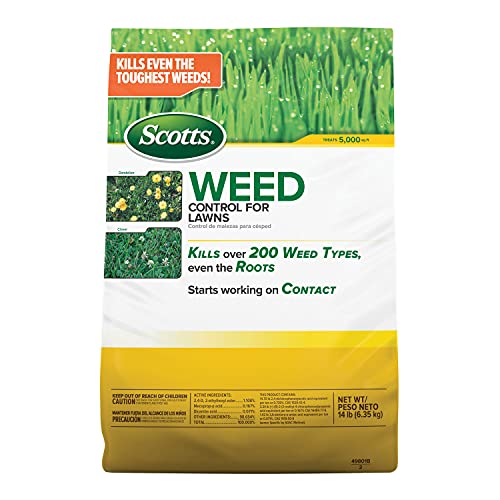
- Liquid vs. Granular: Liquid herbicides are generally more effective and act faster. Granular options are easier to apply over large areas but may require watering in.
Always follow the manufacturer's instructions carefully. Apply on a calm day to avoid drift, and keep children and pets off the treated area until it's dry.
3. Lawn Care Practices to Prevent Clover
Preventing clover is easier than removing it. A healthy, dense lawn is the best defense against weeds. Here are key practices to adopt:
- Proper Fertilization: Maintain adequate nitrogen levels. A lawn fertilizing schedule tailored to your grass type will keep your lawn competitive.
- Mowing Height: Mow your grass at the recommended height for your species. Taller grass shades the soil, preventing clover seeds from germinating. Follow our mowing tips for a healthier lawn.
- Watering Deeply and Infrequently: This encourages deep root growth, making your grass more drought-tolerant and resilient against weeds.
- Aeration and Overseeding: Aerate your lawn annually to reduce soil compaction, and overseed to fill in bare spots where weeds can establish. Combine this with dethatching for optimal results.
Your Step-by-Step Clover Removal Action Plan
- Assess the Infestation: Determine how widespread the clover is. Small patches can be hand-pulled or spot-treated, while larger areas may require a full-lawn approach.
- Choose Your Method: Decide between organic or chemical treatment based on your preference and the scale of the problem. For a quick fix, a selective herbicide is best. For a long-term natural solution, combine manual removal with improved lawn care.
- Apply Treatment: Follow the instructions for your chosen method. For herbicides, apply when the clover is actively growing and temperatures are moderate (60-80°F).
- Follow-Up: Wait 2-3 weeks and reapply if necessary. After the clover dies, rake out the debris and overseed any bare patches.
- Prevent Regrowth: Implement the lawn care practices mentioned above. A consistent lawn care routine is the most sustainable way to keep clover away.
Essential Tools for Clover Removal
Having the right tools makes the job easier and more effective. Below, we recommend some of the best products available for clover removal and lawn maintenance. Investing in quality equipment will save you time and frustration.
For more detailed guidance on lawn maintenance, explore our lawn aeration and dethatching guides. If you're dealing with other lawn issues, our articles on brown patches, moss removal, and bare spots repair may also be helpful. For comprehensive weed management, see our pre-emergent guide and crabgrass control resources. And for the best tools, check our lawn mower reviews and string trimmers page.