Understanding Outdoor Lighting Categories
Before browsing fixtures, it helps to understand the main roles outdoor lighting plays. A well-designed scheme layers three types of light: ambient (general illumination), task (lighting steps, grills, and work areas), and accent (highlighting trees, walls, and focal points). Most homes benefit from at least two of these layers working together. If you are still shaping your broader outdoor plan, our guide to outdoor living ideas pairs naturally with lighting concepts.
Path & Walkway Lights
Low, evenly spaced fixtures that guide guests safely along paths and driveways while adding a welcoming rhythm to your landscape.
Security & Flood Lights
Motion-activated or dusk-to-dawn fixtures that illuminate entries, garages, and dark corners to deter intruders and improve safety.
Wall & Sconce Lighting
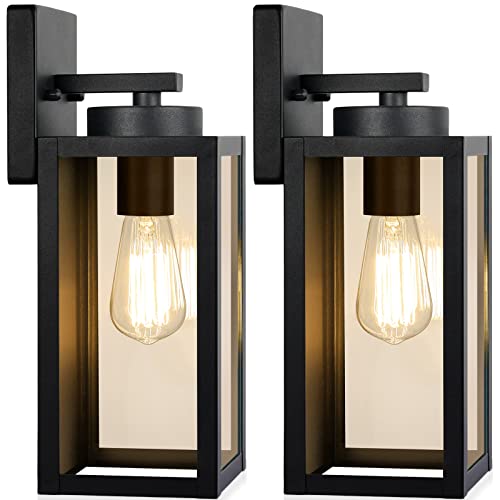
Mounted on exterior walls to frame doorways, highlight siding, and create warm, architectural interest. See our modern exterior wall lighting ideas.
Accent & Spot Lighting
Focused beams that highlight trees, sculptures, and water features—the secret behind magazine-quality landscaping at night.
Solar & String Lights
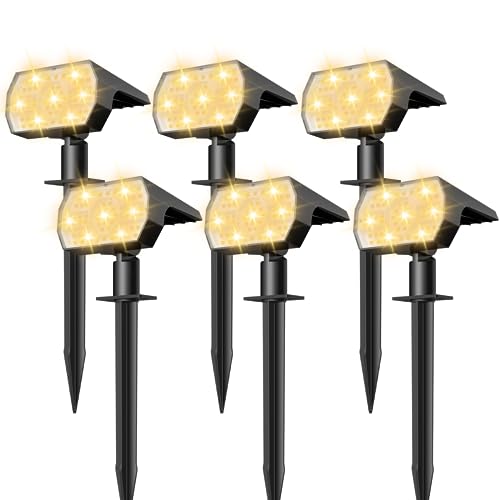
Easy-to-install, energy-free options that add charm to patios, pergolas, and garden borders without any wiring.
Deck & Step Lighting
Recessed or surface-mounted fixtures that make stairs and deck edges safer while creating an elegant, floating effect.
Outdoor Lighting Buying Guide: Key Factors to Consider
Choosing outdoor lighting is about more than picking a style you like. The right fixture must survive weather, deliver adequate brightness, and fit the way you actually use your yard. Keep these factors in mind as you shop.
1. Power Source: Wired vs. Solar vs. Battery
Wired low-voltage systems (typically 12V) provide the most consistent brightness and are the standard for serious landscape lighting. Solar lights are the easiest to install and cost nothing to operate, but their performance depends on sun exposure—place them where they receive at least 6 hours of direct sunlight daily. Battery-powered fixtures offer a middle ground, ideal for renters or temporary setups. For more ways to brighten your property beyond the garden, explore LED Christmas lights for outdoor use during the holiday season.
2. Brightness and Color Temperature (Kelvin)
Brightness is measured in lumens, and color temperature in Kelvin (K). Warm white (2700K–3000K) creates a cozy, inviting glow ideal for patios and entertaining areas. Cool white (4000K–5000K) suits security and task lighting where clarity matters. Avoid very blue tones above 6000K, which feel clinical and attract more insects. A good rule of thumb: use warm light for ambiance and cooler light only where visibility is the priority.
3. Weather Resistance and IP Ratings
Look for an IP (Ingress Protection) rating on every fixture. IP65 or higher is recommended for fixtures exposed to rain and dust. For lights near ponds, fountains, or pools, choose IP67 or IP68. Coastal homes should prioritize corrosion-resistant materials like stainless steel or powder-coated aluminum.
4. Style and Material
Bronze, black, and brushed nickel finishes are the most versatile and blend with most home exteriors. Match the finish of your lighting to door hardware, house numbers, and other exterior metals for a cohesive look. If your home has a distinctive style—modern, farmhouse, or traditional—let the fixture shape echo it. Our article on modern outdoor lighting ideas for the front of the house offers curated inspiration.
5. Energy Efficiency and Longevity
LED fixtures use up to 80% less energy than incandescent and last 15–25 times longer, making them the clear choice for outdoor use. Look for fixtures with integrated LEDs or replaceable LED bulbs, and check for ENERGY STAR certification where available.
Wired vs. Solar: A Side-by-Side Comparison
| Feature | Wired Low-Voltage | Solar-Powered | Battery / Plug-In |
|---|---|---|---|
| Installation effort | Moderate to high (requires trenching & transformer) | Very low (stake & go) | Low (plug into outlet or insert batteries) |
| Brightness consistency | Excellent — always on schedule | Variable — depends on sunlight | Good — depends on battery life |
| Ongoing cost | Low (electricity only) | None | Occasional battery replacement |
| Best for | Primary pathways, security, accent lighting | Decorative accents, remote areas, renters | Temporary setups, patios, rentals |
| Lifespan (fixture) | 10–20+ years | 3–8 years | 5–10 years |
Many homeowners combine systems—wired low-voltage for the backbone of pathways and security, with solar or string lights for flexible decorative accents. This hybrid approach balances reliability with easy, low-cost charm.
How to Plan Your Outdoor Lighting Layout
A thoughtful layout prevents hot spots, dark gaps, and glare. Follow these steps for a professional-looking result:
- Sketch your yard: Mark pathways, steps, trees, focal points, and seating areas on a simple plan.
- Identify priorities: Safety lighting (steps, driveways) comes first, then security, then ambiance.
- Layer your light: Combine ambient, task, and accent fixtures rather than relying on one type.
- Space path lights evenly: Roughly 6–10 feet apart for consistent coverage; adjust based on beam spread.
- Angle accent lights upward: Uplighting trees and walls adds drama and depth to the night landscape.
- Avoid glare: Shield bulbs from direct view; aim fixtures so light falls on surfaces, not eyes.
- Consider a timer or smart controls: Set schedules to save energy and extend bulb life.
Choosing Quality Tiers: Entry-Level to Premium
Outdoor lighting spans a wide range of quality and performance. To help you choose without getting lost in specifications, think in tiers:
Entry-level / budget-friendly: Primarily solar and basic battery fixtures. Ideal for renters, temporary setups, or decorative accents. Expect shorter lifespans and less consistent brightness—fine for ambiance, less suited for security.
Mid-range: The sweet spot for most homeowners. Wired low-voltage systems and well-built solar fixtures in this tier offer reliable performance, decent warranties, and solid weather resistance. They typically represent the best balance of durability and value.
Premium / high-end: Professional-grade fixtures with solid brass or copper construction, integrated LEDs rated for 50,000+ hours, and lifetime warranties. These are the fixtures used in high-end landscape designs and are built to last decades with minimal maintenance.
Installation Tips and Safety Considerations
Solar and plug-in lights can be installed by most DIYers with basic tools. For hardwired 120V systems, always hire a licensed electrician—especially near water features, pools, or buried lines. Key safety reminders:
- Always use GFCI-protected outlets for outdoor fixtures.
- Bury low-voltage cable at least 6 inches deep, or use cable rated for direct burial.
- Keep transformers in a dry, ventilated location and size them to handle at least 80% of total wattage.
- Check local electrical codes before installing any hardwired system.
- Use weatherproof connectors and junction boxes rated for outdoor use.
Maintenance: Keeping Your Lights Looking Their Best
Outdoor fixtures face sun, rain, dust, and temperature swings. A little maintenance goes a long way:
- Clean lenses and solar panels every few months with a damp cloth to maintain brightness.
- Check and replace batteries in solar fixtures seasonally.
- Inspect wiring and connections annually for corrosion or damage.
- Trim plants away from fixtures to prevent shadowing and moisture buildup.
- Re-aim accent lights after storms or seasonal growth changes.
Frequently Asked Questions
What are the best outdoor lighting options for a garden?
The best approach is layered lighting: low-voltage LED path lights for walkways, spotlights for highlighting trees and architectural features, and ambient string or festoon lights for patios. Solar-powered fixtures work well for remote areas where wiring is impractical.
How do I choose between solar and wired outdoor lights?
Wired low-voltage systems offer consistent brightness and reliability, making them ideal for primary pathways and security. Solar lights are easier to install and cost nothing to run, but their output depends on sunlight exposure—choose them for accent and decorative purposes in sunny spots.
What is the ideal color temperature for outdoor lighting?
Warm white (2700K–3000K) is the most popular choice for patios and gardens, creating a cozy, inviting atmosphere. Cool white (4000K–5000K) suits security and task lighting where clarity is needed. Avoid very blue tones outdoors, as they attract insects and feel clinical.
Do I need a professional to install outdoor lighting?
Solar and plug-in fixtures can be installed by most homeowners. However, any 120V hardwired system—especially near water features or buried lines—should be installed by a licensed electrician to ensure code compliance and safety.
How many lumens do I need for outdoor lighting?
Path lights: 50–100 lumens. Security floodlights: 700–1,300 lumens. Accent spotlights: 100–300 lumens. Wall sconces: 200–500 lumens. Use lower outputs for decorative accents and higher outputs only where task visibility or security is the goal.
Ready to Light Up Your Outdoor Space?
Browse our curated selection of outdoor lighting fixtures below to find the perfect combination of style, performance, and value for your garden, patio, or landscape.
VIEW RECOMMENDED PRODUCTS