LED Christmas Lights Outdoor: Brighter, Safer & More Efficient Holiday Displays
Planning an outdoor Christmas light display? Learn how modern LED Christmas lights deliver brilliant color, low energy use, and weatherproof durability — plus expert tips on choosing strands, planning layouts, and installing safely before the season arrives.
Why LED Christmas Lights Outdoor Are the Smart Choice
If you are researching outdoor Christmas lights, you have likely noticed that LED technology now dominates the market — and for good reason. LED Christmas lights outdoor strands use a fraction of the electricity of older incandescent bulbs, run far cooler, and are built to withstand rain, wind, and freezing temperatures. For homeowners who want a dazzling facade without a spike in energy bills or a fire hazard, LED is the modern standard.
This guide walks you through everything you need to know before buying: brightness and color options, weatherproof ratings, connection limits, layout planning, and safe installation practices. By the end, you will be ready to choose the right LED strands and build a display that looks professional and lasts season after season.
Quick takeaway: Quality outdoor LED Christmas lights are rated IP65 or higher, consume up to 90% less energy than incandescent, and can last up to 25 times longer. Always buy UL-listed strands rated for wet locations and connect them through GFCI-protected outlets.
LED vs. Incandescent: What Changes Outdoors
Traditional incandescent holiday lights waste most of their energy as heat. That heat not only raises electricity usage but also dries out greenery, melts snow, and increases fire risk when strands are damaged. LED Christmas lights outdoor convert most of their energy into light, so they stay cool to the touch and are much safer around dry garlands, wreaths, and rooflines.
Here is how the two technologies compare in real outdoor conditions:
| Factor | LED Outdoor Christmas Lights | Incandescent Outdoor Lights |
|---|---|---|
| Energy use | Up to 80–90% lower | High; most energy becomes heat |
| Heat output | Cool to the touch | Hot; can dry or burn nearby materials |
| Lifespan | Up to 25× longer | Shorter; bulbs burn out frequently |
| Durability | Shock-resistant, often sealed | Fragile glass bulbs |
| Color options | Warm white, cool white, RGB, multicolor | Limited; colors fade over time |
For a broader look at low-energy outdoor lighting beyond the holidays, see our guide to solar-powered outdoor lights — many of the same efficiency principles apply year-round.
Key Buying Criteria for LED Christmas Lights Outdoor
1. Weatherproof Rating (IP Rating)
Outdoor strands must survive moisture. Look for an IP65 or higher rating, which means the lights are dust-tight and protected against water jets. Sealed connectors and rubber gaskets at each plug are strong indicators of a strand designed for real outdoor use. Avoid indoor-only strands, even under a roof overhang — temperature swings and condensation still cause failures.
2. UL Listing and Safety Certification
Only purchase strands listed by a recognized safety organization (UL, ETL, or CSA) and explicitly rated for outdoor or wet locations. This certification confirms the wiring, insulation, and plug design have been tested for outdoor conditions. For any permanent outdoor electrical work, such as adding outlets or running conduit, consult a qualified electrician — the same care you would take with a sprinkler install or other outdoor wiring project.
3. Brightness and Color Temperature
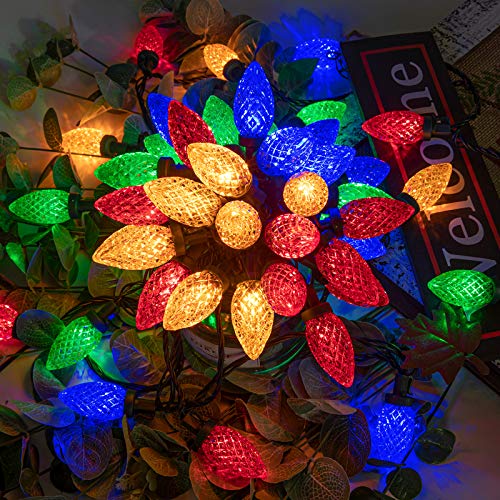
LED brightness is measured in lumens, and color temperature (Kelvin) shapes the mood. Warm white (roughly 2700K–3000K) creates a classic, cozy glow; cool white (5000K+) gives a crisp, modern look; multicolor and RGB strands add playful energy. Decide whether you want a uniform palette or a lively mix before you buy, because matching color temperature across strands is easier when you purchase from the same product line.
4. Bulb Style and Strand Length
Mini lights, C7/C9 bulbs, icicle strands, and rope lights each suit different surfaces. Mini lights are flexible for wrapping trunks and railings; C7 and C9 bulbs create bold roofline outlines; icicle strands hang beautifully from eaves. Measure your total linear footage and buy strands in lengths that minimize waste.
5. Connection and Wattage Limits
Most LED strands allow end-to-end connection, often 10 to 20 strands per run. Never exceed the manufacturer's stated maximum, and account for the total wattage of every strand on the circuit. Using a dedicated outdoor-rated extension cord and a GFCI outlet keeps the setup safe.
6. Smart and App-Controlled Features
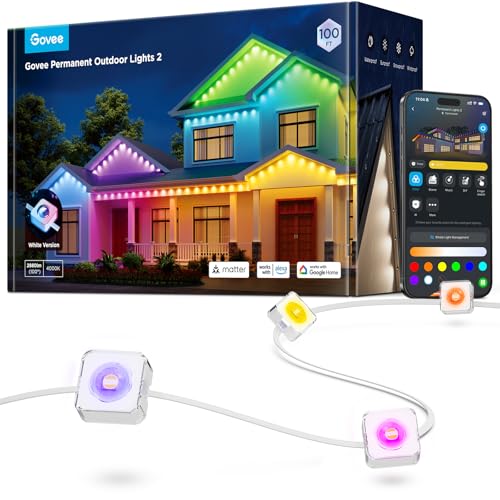
Many premium LED strands now include app control, scheduling, music sync, and customizable color scenes. If you enjoy changing your display for different holidays, smart strands offer flexibility. Just confirm the controller and power adapter are rated for outdoor use.
Quality Tiers: Matching LED Strands to Your Display Goals
Outdoor LED Christmas lights fall into recognizable quality tiers. Use these descriptors to compare products without relying on prices, which change over time.
Budget-Friendly Strands
Basic mini lights with standard plastic housings. Suitable for short seasonal runs, small shrubs, and temporary displays. Expect fewer connection options and simpler controllers.
Everyday Outdoor Performers
Better seals, longer strand lengths, and reliable end-to-end connections. A strong fit for rooflines, porches, and yard trees that you light every year.
Heavy-Duty & Smart Strands
Thicker wire, reinforced connectors, higher IP ratings, and app or remote control. Ideal for large facades, permanent installations, and displays you want to automate.
Commercial-Grade Systems
Designed for continuous professional use: robust power supplies, modular controllers, and long warranties. Best for elaborate multi-zone displays and long-term outdoor setups.
As a rule of thumb, mid-range strands usually offer the best balance of durability and flexibility for typical homes. Entry-level strands work for accent lighting, while premium and luxury tiers make sense when you want fewer maintenance headaches and more control.
Planning Your Outdoor LED Christmas Light Display
Step 1: Measure Every Surface
Sketch your home’s front elevation and note the length of rooflines, eaves, railings, porch columns, tree trunks, and fence lines. Add 10–15% extra length to every measurement for sagging, corners, and connection slack. This single step prevents the most common frustration — running short mid-installation.
Step 2: Choose a Layout Strategy
- Roofline outline: C7 or C9 LED bulbs create a crisp, traditional silhouette.
- Tree wrapping: Mini LED strands wrap trunks and branches for a glowing centerpiece.
- Pathway and garden borders: Low-profile strands or stake lights guide guests and highlight landscaping.
- Porch and doorway: Icicle strands add sparkle above entries and railings.
If your display includes garden features, complementary lighting ideas can be found in our guides to string lights and water features, both of which pair beautifully with holiday LED strands.
Step 3: Plan Power and Connections
Map where each run will plug in. Use GFCI-protected outdoor outlets, keep plugs elevated off the ground, and use outdoor-rated extension cords sized for the total wattage. Avoid daisy-chaining more strands than the manufacturer allows, and separate large displays into multiple circuits when possible.
Step 4: Install Safely
Use plastic clips rather than nails or staples to attach strands — staples can pierce insulation and create shock hazards. Work from a stable ladder with a spotter, keep cords away from walkways, and check every strand for damage before installation. A quick pre-test on the ground saves hours of troubleshooting later.
Step 5: Protect Connections from Weather
Even weatherproof strands benefit from extra protection at connection points. Elevate plugs, use waterproof connection covers, and angle plugs downward so water cannot pool. After storms, inspect the display for loose clips or damaged cords.
For a broader approach to outdoor power and water systems around your home, our sprinkler systems guide explains how outdoor circuits are typically planned and protected.
Maintenance and Off-Season Storage
LED strands are durable, but proper care extends their life. Before storing, inspect each strand for cracked housings, exposed wire, or non-working sections. Wipe down connectors, let everything dry completely, and coil strands loosely around a spool or cardboard to prevent tangling and wire stress.
Store lights in a cool, dry place away from rodents and moisture. Label each spool with its length and location so next year’s setup is faster. If a strand fails, replace it rather than repairing damaged insulation — safety always comes first with outdoor electrical products.
Frequently Asked Questions About LED Christmas Lights Outdoor
How many LED Christmas lights do I need for my outdoor display?
A common guideline is 100 LED lights per foot of tree height for wrapping trunks and branches. For rooflines, plan roughly one strand per 8 to 10 feet of linear length. Measure your total linear footage and add 10–15% extra for sagging, corners, and connection points.
Are LED Christmas lights weatherproof enough for rain and snow?
Quality outdoor LED Christmas lights are rated IP65 or higher, meaning they are dust-tight and protected against water jets. Look for sealed connections, rubber gaskets, and UL listing for wet locations. Always use GFCI-protected outlets and keep plugs off the ground.
Do LED Christmas lights use less electricity than incandescent?
Yes, LED Christmas lights consume up to 80–90% less electricity than traditional incandescent bulbs. They also last up to 25 times longer, generate almost no heat, and reduce fire risk, making them the safer and more efficient choice for extended outdoor use.
Can I connect multiple LED light strands together?
Most LED strands allow end-to-end connection, but the maximum number varies by product, often 10 to 20 strands. Always follow the manufacturer's rating, use matching connectors, and avoid exceeding the total wattage your circuit and extension cords can safely handle.
What is the best color temperature for outdoor Christmas lights?
Warm white (around 2700K–3000K) gives a classic, welcoming glow that suits traditional homes. Cool white (5000K+) creates a crisp, modern look. Multicolor and RGB strands add festive energy for family displays. Choose one palette for a cohesive facade and use accent colors sparingly.
Can I leave LED Christmas lights up all year?
Some premium and commercial-grade strands are designed for permanent installation, but most holiday strands are intended for seasonal use. If you want a permanent outdoor lighting setup, choose products explicitly rated for continuous outdoor operation and have the wiring installed by a qualified electrician.
Ready to Light Up Your Outdoors?
Browse our curated selection of outdoor LED Christmas lights below. Every recommendation is chosen for weatherproof construction, reliable connections, and brilliant seasonal color — so your display looks stunning from the first night to the last.
View Recommended LED LightsMore Outdoor Lighting & Garden Guides
Pair your holiday display with other outdoor improvements. These guides from our library cover complementary lighting and garden projects:
- Solar-Powered Outdoor Lights — energy-free lighting for paths and gardens.
- String Lights — year-round patio and pergola lighting ideas.
- Spotlights — highlight trees, facades, and garden features.
- Weatherproof Outdoor Decorations — decor built to survive the elements.
- Water Features — add movement and reflection to your outdoor space.
- Solar-Powered Garden Fountain with Battery Backup — reliable fountain power after dark.
- Solar-Powered Bird Bath Fountain with LED Lights — a lit water feature for the garden.
- Solar-Powered Water Feature Pump with Battery Backup — keep water moving efficiently.
- Sprinkler Systems — plan outdoor power and irrigation safely.
- Sprinkler Install — step-by-step outdoor installation guidance.