Understanding Garden Shed Types
Garden sheds fall into several broad categories, each suited to different storage needs, climates, and aesthetic preferences. Before comparing individual products, it helps to understand which type fits your yard and how you plan to use the building.
Storage Sheds
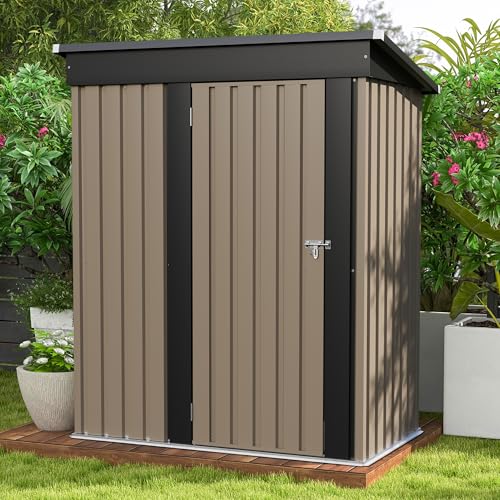
The most common category, storage sheds are designed primarily to house lawn mowers, bicycles, tools, and seasonal equipment. Entry-level storage sheds are typically compact and straightforward, while mid-range and premium models add shelving, ventilation, and reinforced flooring. If your main goal is decluttering the garage, a dedicated storage shed is the most efficient choice. Pair it with smart hose reels and wall-mounted gardening tools organizers to maximize usable space.
Potting Sheds and Workshops
Potting sheds include built-in workbenches, natural light from windows or skylights, and often a water supply. These are ideal for serious gardeners who start seeds, repot plants, or store compost bins and compost tumblers nearby. Workshop-style sheds are larger and sturdier, often with heavier flooring and electrical provisions for power tools.
Lean-To and Corner Sheds
Lean-to sheds attach to an existing wall or fence, saving space and often simplifying installation. Corner sheds make efficient use of awkward yard corners. Both are popular in smaller gardens where footprint matters. If you are designing a compact outdoor layout, these pair well with deck boxes and garden structures that extend usable storage without dominating the landscape.
Wood, Metal, or Resin: Choosing the Right Material
Material choice affects durability, maintenance, appearance, and long-term performance. Use the comparison below to match a material to your climate and commitment to upkeep.
| Material | Strengths | Considerations | Best For |
|---|---|---|---|
| Wood | Classic look, customizable, good insulation, easy to repair | Requires annual treatment, vulnerable to rot and pests if neglected | Gardeners who want aesthetic charm and don’t mind upkeep |
| Metal | Durable, low maintenance, pest-resistant, secure | Can be noisy in rain, prone to condensation, may rust if damaged | Windy or pest-prone areas, security-focused buyers |
| Resin / Plastic | Maintenance-free, lightweight, weather-resistant, no rot | Less sturdy in extreme weather, limited customization | Low-maintenance households and quick installations |
Whichever material you choose, confirm that the shed includes adequate ventilation and a treated or sealed floor. Moisture control is the single biggest factor in shed longevity, especially in humid climates. If you plan to store organic materials, keep them in sealed containers and consider adding a small drip irrigation system nearby for easy watering of plants you overwinter.
Sizing Your Shed: How Much Space Do You Really Need?
Shed sizing is where many buyers make mistakes. Measure your available footprint, then account for door swing, access paths, and future storage growth. As a general rule, choose one size larger than your immediate needs.
- Entry-level (6×4 to 6×6): Basic tool storage, small mowers, and garden hand tools.
- Mid-range (8×6 to 8×8): Bicycles, larger mowers, shelving, and seasonal furniture.
- Premium (10×8 and larger): Workshops, potting benches, and multi-purpose storage.
- Luxury / bespoke: Insulated garden rooms, hobby studios, and fully fitted workshops.
Also consider height. Standard sheds offer around 6 feet of headroom, while premium models may reach 7 feet or more, which matters if you plan to stand at a workbench. If your space is tight, a gravel landscaping base can provide a firm, drainage-friendly foundation without a full concrete pour.
Foundations, Bases, and Site Preparation
A shed is only as good as its base. An uneven or poorly drained foundation causes doors to stick, floors to warp, and frames to crack. Choose a base that matches your shed’s weight and your soil conditions.
Common base options
- Concrete slab: The most durable option; ideal for heavy premium sheds and workshops. Requires professional preparation and curing time.
- Timber frame: Affordable and effective for mid-range wooden sheds; must be pressure-treated and leveled on paving stones.
- Interlocking plastic grid: A budget-friendly, DIY-friendly option for lightweight resin sheds.
- Paved patio base: Attractive and reusable; works well for smaller sheds and doubles as a hardscape feature.
Whichever base you choose, ensure it is perfectly level and slightly sloped away from the shed for drainage. Clear vegetation and roots beforehand, and consider a weed membrane beneath gravel or paving. For guidance on managing unwanted growth around your base, see our tips on the best way to kill weeds in a gravel driveway, which applies equally to gravel shed bases.
Permits, Placement, and Practical Rules
Planning rules vary widely by region, so always verify local requirements before purchase. In many areas, small sheds under a certain height and footprint qualify as permitted development, but exceptions apply in conservation areas, near property boundaries, or when the shed is used for business.
- Check maximum height and footprint allowances for your zone.
- Respect boundary setbacks and avoid blocking natural drainage or light.
- Confirm whether your shed needs to be anchored for wind resistance.
- Keep access paths clear for maintenance and equipment movement.
Placement also affects usability. Position the shed near where tools are used, but avoid low-lying spots that collect water. If your yard slopes, review drainage solutions and consider a raised timber base to protect the floor.
Features That Matter: Windows, Doors, and Ventilation
Small design details make a big difference in day-to-day use. Prioritize these features based on how you will use the shed:
- Double doors: Essential for moving mowers, bikes, and large equipment.
- Windows and skylights: Improve visibility and reduce the need for artificial light; consider polycarbonate glazing for safety.
- Ventilation: Gable vents or louvered panels reduce condensation and mold risk.
- Security: Lockable doors, reinforced hinges, and window locks protect valuable tools.
- Shelving and hooks: Vertical storage frees floor space and keeps tools accessible.
If you plan to store chemicals, fuels, or fertilizers, add a lockable cabinet and ensure the shed is well ventilated. For related storage inspiration, explore garden structures and hose reels that complement a tidy, organized shed interior.
Maintenance: Keeping Your Shed in Top Condition
Regular maintenance extends a shed’s lifespan by years. The exact routine depends on material, but the fundamentals are consistent across types.
Wooden sheds
- Treat or stain exterior wood annually, or every two years for premium treated timber.
- Inspect roof felt or shingles after storms and replace damaged sections promptly.
- Clear gutters and check for water pooling around the base.
- Check door and window alignment seasonally; adjust hinges as needed.
Metal sheds
- Wash panels periodically with mild detergent to prevent grime buildup.
- Touch up scratches and rust spots immediately with appropriate paint.
- Check anchors and fixings after high winds.
Resin sheds
- Clean with a garden hose and mild soap; avoid abrasive cleaners.
- Inspect panels and fixings for loosening after temperature swings.
- Ensure vents remain unobstructed to manage condensation.
For general upkeep that supports shed longevity, see our guides on composting (to keep organic waste out of the shed) and budget tools that make routine maintenance easier.
How to Choose the Right Shed for Your Garden
With types, materials, and sizing covered, the final decision comes down to matching your shed to your routine. Follow this simple framework:
- Define primary use: storage, workshop, potting, or multi-purpose.
- Measure available space: include clearance for doors and paths.
- Pick a material based on climate and maintenance willingness.
- Select a base that matches shed weight and soil conditions.
- Verify local rules before purchase and installation.
- Plan storage: shelving, hooks, and sealed containers.
If you are also upgrading the surrounding area, browse ideas for driveway landscaping and gravel landscaping to create a cohesive approach path and shed base.