Brown Patches on Your Lawn? Diagnose, Treat, and Prevent
Let gardening restore your lawn's health. Discover expert solutions for brown patches, from fungal diseases to irrigation issues, and bring back the vibrant green you love.
Brown patches are one of the most common and frustrating lawn problems. These unsightly, discolored areas can appear suddenly, turning a lush, green yard into a patchwork of dead or dying grass. But don't worry—with the right knowledge, you can identify the root cause, apply effective treatment, and prevent future outbreaks. Let gardening guide you through every step of the process, from diagnosis to recovery.
What Causes Brown Patches on Lawns?
Brown patches can stem from a variety of factors, ranging from environmental stress to fungal diseases. Identifying the exact cause is critical for successful treatment. Here are the most common culprits:
- Fungal Diseases (e.g., Brown Patch Disease): Caused by the fungus Rhizoctonia solani, this thrives in warm, humid conditions and often appears as circular patches of brown, wilted grass.
- Improper Watering: Overwatering can lead to shallow roots and fungal growth, while underwatering causes drought stress and browning.
- Compacted Soil: Heavy foot traffic or clay soils restrict root growth and water infiltration, leading to weak, brown grass.
- Nutrient Deficiencies: Lack of nitrogen, iron, or other essential nutrients can cause yellowing and browning of grass blades.
- Pest Damage (Grubs & Insects): Grubs feed on grass roots, causing patches to turn brown and peel away easily. Other insects like chinch bugs also cause similar damage.
- Pet Urine: High nitrogen concentration in dog urine burns grass, leaving distinct brown spots.
- Mowing Issues: Dull mower blades tear grass instead of cutting cleanly, making it susceptible to disease and browning.
- Environmental Stress: Extreme heat, drought, or cold can cause grass to go dormant and turn brown.
For a detailed guide on general lawn health, visit our Lawn Care section.
How to Diagnose Brown Patches
Accurate diagnosis is the key to effective treatment. Follow these steps to determine what's causing your brown patches:
- Examine the Pattern: Circular patches often indicate fungal disease, while irregular shapes may point to pet damage or pests. Uniform browning across the lawn suggests watering or nutrient issues.
- Check the Soil: Probe the soil in the affected area. If it's dry and hard, your lawn is underwatered. If it's soggy, overwatering is likely the cause.
- Inspect Grass Blades: Look for lesions, spots, or lesions on the blades. Fungal diseases often cause distinct leaf spots or lesions.
- Look for Pests: Peel back a patch of dead grass. If you see white grubs or insects, pests are the culprit.
- Review Your Lawn Care Routine: Consider recent weather, watering schedule, fertilization, and mowing practices. Often, the cause is a combination of factors.
If you suspect a fungal disease, you can find more information on our Lawn Fungus page. For pest-related issues, our Grub Control guide offers specific solutions.
Effective Treatment and Repair Strategies
Once you've identified the cause, it's time to act. Here are proven strategies to treat and repair brown patches:
Fungal Disease Treatment
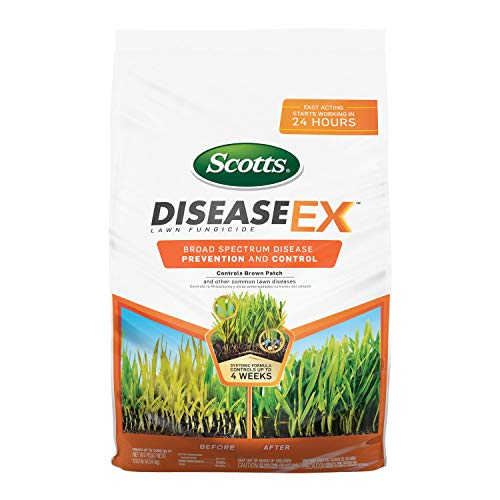
- Apply a fungicide specifically labeled for brown patch disease (e.g., products containing azoxystrobin or propiconazole). Follow the instructions carefully.
- Reduce watering frequency and water deeply but infrequently to keep the soil surface dry.
- Improve air circulation by pruning overhanging branches and avoiding excessive thatch buildup.
- Maintain proper mowing height—never cut more than one-third of the grass blade height.
Watering and Irrigation Adjustments
- Water deeply (about 1 inch per week) to encourage deep root growth.
- Water in the early morning to reduce moisture on leaves overnight.
- Adjust your sprinkler system to ensure even coverage. Consider installing a Sprinkler System for precise watering.
Fixing Nutrient Deficiencies
- Apply a balanced lawn fertilizer with a ratio suitable for your grass type (e.g., 20-5-10 for nitrogen, phosphorus, and potassium).
- Consider a soil test to identify specific nutrient needs.
- Use iron supplements or chelated iron to treat yellowing caused by iron deficiency.
- Explore our Lawn Fertilizing guide for best practices.
Repairing Compacted Soil
- Core aeration removes plugs of soil, allowing water, air, and nutrients to reach the roots.
- Top-dress with compost or fine sand to improve soil structure.
- Avoid heavy traffic on the lawn, especially when the soil is wet.
- Learn more about Lawn Aeration.
Pest Control
- Apply grub control products (e.g., containing imidacloprid or chlorantraniliprole) in late spring or early summer.
- Use insecticidal soap or neem oil for surface-feeding insects.
- Encourage natural predators like birds and beneficial nematodes.
- Visit our Grub Control page for detailed strategies.
Repairing Damaged Areas
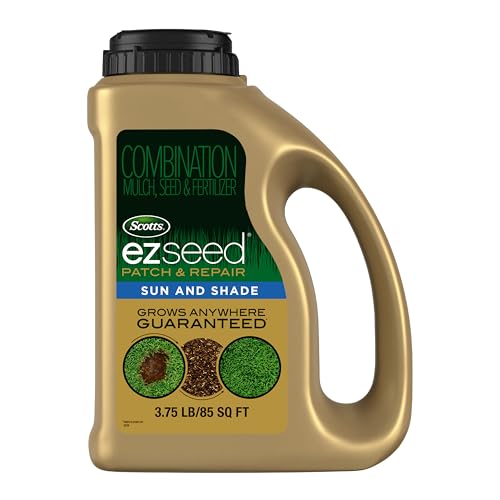
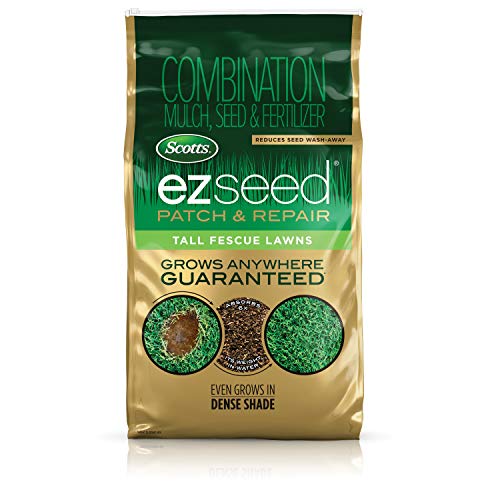
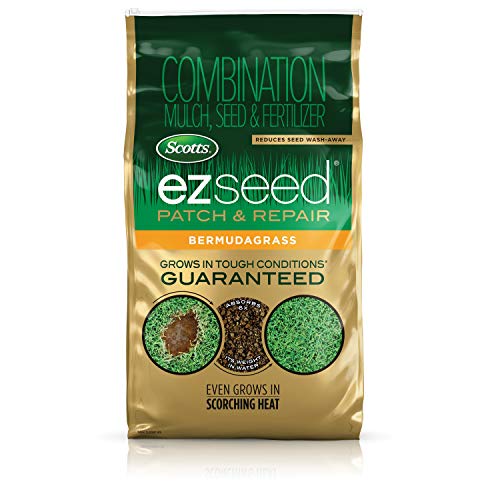
- Overseeding: In the fall, overseed bare or thin patches with grass seed that matches your lawn type.
- Sodding: For larger or more severe patches, laying fresh sod is a quick fix.
- Keep the area moist until new grass establishes.
- Use a starter fertilizer to give new grass a boost.
For more detailed repair techniques, check out our Bare Spots Repair guide.
Preventing Brown Patches Year-Round
Prevention is always better than cure. By adopting proactive lawn care practices, you can minimize the risk of brown patches:
- Mow Correctly: Keep mower blades sharp and mow at the recommended height for your grass type. Never remove more than one-third of the grass blade.
- Water Wisely: Water deeply and less frequently to encourage deep, drought-resistant roots. Early morning watering prevents fungal growth.
- Fertilize Appropriately: Feed your lawn with the right nutrients at the right time. Avoid over-fertilizing, which can lead to disease.
- Dethatch and Aerate: Remove thatch buildup annually and aerate compacted soil to improve airflow and water absorption.
- Choose Disease-Resistant Grass: If you're establishing a new lawn, consider grass varieties that are resistant to brown patch disease.
- Monitor for Pests: Regularly inspect your lawn for signs of grubs or insects and treat early.
- Address Pet Damage: Train pets to use designated areas and flush urine spots with water immediately.
- Maintain Proper Drainage: Ensure your lawn has adequate drainage to prevent waterlogging.
Consistent care and early intervention are your best defenses. For seasonal maintenance tips, visit our Mowing Tips and Overseeding guides.
When to Seek Professional Help
While many brown patch problems can be resolved with DIY methods, some situations require professional expertise:
- If you've tried multiple treatments with no improvement.
- If the affected area is large (more than 30% of your lawn).
- If you suspect a severe fungal disease or pest infestation that requires specialized chemicals.
- If you're unsure about the diagnosis and need a soil test or professional assessment.
Professional lawn care services can offer targeted solutions and save you time and effort. They can also recommend long-term lawn health programs tailored to your lawn's specific needs.
Frequently Asked Questions About Brown Patches
Can brown patches be permanently fixed?
Yes, with proper diagnosis and treatment, brown patches can be fully repaired. Prevention and ongoing care will keep them from returning.
How long does it take for brown patches to go away?
Recovery time depends on the cause and treatment. Minor issues may resolve in 2–3 weeks, while severe fungal diseases or pest damage may take 1–2 months for complete regrowth.
Will brown patch disease spread?
Yes, fungal diseases like brown patch can spread rapidly in warm, humid conditions. Prompt treatment is essential to prevent spread.
Can brown patches be caused by dog urine?
Yes, dog urine contains high nitrogen levels, which burns grass. Flush the area with water immediately after pets urinate to dilute the nitrogen.
Is it better to remove dead grass before repair?
Yes, raking out dead grass and debris allows new seed or sod to make contact with the soil, improving establishment.
Ready to Restore Your Lawn?
Now that you have the knowledge, it's time to take action. The right tools and products can make all the difference. Browse our recommended products below to find everything you need to treat and prevent brown patches effectively.