
Landscaping Ideas & Design Guides for a Beautiful, Functional Yard
Transform your outdoor space with expert landscaping advice. From front yard curb appeal and backyard retreats to hardscaping, drainage, and low-maintenance planting plans — everything you need to plan and build a yard that works for your lifestyle.
EXPLORE LANDSCAPING IDEASWhy Landscaping Matters for Your Home and Lifestyle
Landscaping does far more than make a yard look attractive. A well-planned landscape improves drainage, reduces erosion, creates usable outdoor living space, and can lower cooling costs by shading your home. It also boosts curb appeal — a factor that influences property value and first impressions. Whether you are starting from bare ground or refreshing an established yard, thoughtful landscaping helps you get more enjoyment from your property year after year.
Good landscaping begins with a plan, not a shopping list. Before you buy plants or hardscape materials, take time to understand your site: how the sun moves across it, where water pools after rain, how steep the slope is, and what kind of soil you have. These fundamentals determine which plants will thrive and which hardscape solutions will hold up. If you need design expertise for complex grading or structural work, consider consulting landscape designers near you — but many homeowners can handle smaller projects themselves with the right guidance.
Front Yard Landscaping Ideas That Boost Curb Appeal
The front yard is your home's handshake — it sets the tone for everything beyond the front door. A strong front landscape balances symmetry, color, and a clear path to the entrance. Start by defining the walkway, then frame the entry with layered plantings: low groundcovers in front, mid-height shrubs behind, and taller accents near the house. This layered approach adds depth and keeps the foundation from looking bare.
For homeowners who want impact without constant upkeep, low-maintenance front-of-house landscape ideas focus on durable shrubs, ornamental grasses, and mulch beds that suppress weeds. If your front beds feel empty or poorly defined, explore flower bed landscaping ideas that combine perennials with structured evergreen borders. Budget-conscious gardeners will appreciate budget-friendly front yard landscaping ideas that prioritize mulch, edging, and a few well-placed specimen plants over a full redesign.
Stones and gravel can add texture and permanence to a front yard, especially on sloped or narrow lots. See landscaping ideas with stones for inspiration on rock beds, gravel borders, and dry creek features. For smaller properties, small front yard landscaping ideas show how to make a compact space feel intentional and welcoming.
Front Yard Design Checklist
- Define a clear, welcoming path to the front door.
- Layer plants by height: groundcover, mid-shrubs, taller accents.
- Repeat colors and textures for a cohesive look.
- Use mulch or gravel to keep beds tidy and reduce weeding.
- Add lighting for safety and evening curb appeal.
Backyard Design: Creating an Outdoor Living Space
The backyard is where landscaping becomes lifestyle. Think about how you want to spend time outdoors: dining with family, gardening, entertaining friends, or simply relaxing in shade. Your answers shape the layout. A common approach is to divide the yard into zones — a patio for seating and dining, a lawn or open area for play, planted borders for privacy, and a utility corner for storage or compost.
If you have a pool, landscaping around it needs extra care. Choose plants that tolerate splashing, avoid heavy leaf litter, and keep root systems away from pool structures. Browse landscaping ideas around an above-ground pool to soften the pool edge and create a resort-like feel. For small backyards, vertical planting, container gardens, and multi-use furniture help maximize every square foot.
Privacy is one of the most requested backyard features. Layered hedges, ornamental grasses, and tall evergreens screen neighbors without the hard look of a solid fence. Combine living screens with garden structures such as pergolas or trellises to create intimate outdoor rooms.
Hardscaping: Patios, Paths, Retaining Walls, and Gravel
Hardscaping refers to the non-living elements of your landscape — patios, walkways, retaining walls, edging, and gravel beds. These features provide structure and make the yard usable in all seasons. A patio extends your living space outdoors; a well-placed path guides foot traffic and protects lawns; retaining walls turn unusable slopes into terraced beds.
Gravel is one of the most versatile hardscape materials. It works for pathways, dry creek beds, seating areas, and low-water plantings. Explore gravel landscaping ideas to see how different gravel sizes and colors change the character of a space. For patios and walkways, pavers and natural stone offer durability, but they require proper base preparation to prevent settling.
Hardscape Material Comparison
| Material | Best For | Maintenance Level | Notes |
|---|---|---|---|
| Gravel | Paths, dry creeks, low-water beds | Low | Budget-friendly; needs edging to stay put |
| Pavers | Patios, walkways, driveways | Moderate | Mid-range to premium; requires compacted base |
| Natural stone | Feature walls, steps, accents | Low to moderate | Premium look; heavy and skill-intensive to install |
| Retaining wall block | Terraces, slope stabilization | Low | Engineering may be needed for tall walls |
If your project involves significant grading or structural walls, consult landscape grading and drainage contractors to ensure the work is safe and built to last. For materials, local landscaping materials suppliers can often deliver gravel, mulch, and stone in bulk.
Sloped Yards, Drainage, and Erosion Control
Slopes are one of the most common landscaping challenges. Water runs downhill, soil erodes, and planting becomes difficult. The solution is rarely to flatten the whole yard — instead, work with the slope using terraces, retaining walls, and deep-rooted plants that hold soil in place.
For front yards that drop toward the street, landscaping ideas for downward sloping front yards show how to use stepped beds, boulders, and groundcovers to create a stable, attractive transition. Where grass refuses to grow — under dense shade, on steep banks, or in dry spots — consider landscape ideas for areas where grass won't grow, such as mulch beds, groundcover, or gravel with drought-tolerant plants.
Drainage Best Practices
- Direct water away from foundations with grading and swales.
- Use French drains or dry creek beds to channel runoff.
- Plant deep-rooted natives on slopes to reduce erosion.
- Install irrigation zones separately from drainage paths.
- Test drainage after heavy rain and adjust before planting.
A rain garden or bioswale can capture and filter runoff while adding beauty. Combine drainage solutions with ornamental plantings for a landscape that is both functional and attractive.
Low-Maintenance and Budget-Friendly Landscaping
Not every yard needs weekly attention. Low-maintenance landscaping reduces watering, pruning, and mowing by choosing the right plants and hardscape for your site. Native plants, drought-tolerant perennials, ornamental grasses, and groundcovers require less water once established. Mulch suppresses weeds and retains moisture, while drip irrigation delivers water directly to roots.
For budget-conscious projects, focus spending on structural elements that last — paths, edging, and trees — and fill in with smaller plants that will grow over time. Local landscaping supplies and landscaping services near you can help you source materials and labor affordably. If you are comparing providers, landscaping companies near you can provide quotes for design and installation.
Low-Maintenance Landscaping Principles
- Right plant, right place — match plants to sun, soil, and water.
- Group plants by water needs to simplify irrigation.
- Use mulch to reduce weeding and evaporation.
- Reduce lawn area with groundcover or hardscape.
- Choose slow-growing shrubs that need less pruning.
Garden Structures and Features That Add Function and Charm
Garden structures give a landscape dimension beyond plants and paving. A pergola defines an outdoor dining area, a trellis supports climbing vines, a gazebo creates a destination, and a shed keeps tools organized. These features also add vertical interest, shade, and privacy.
If you are planning a covered retreat, gazebo plans and gazebo ideas offer inspiration for styles and footprints. For storage, garden sheds can be integrated into the landscape with matching siding, roofing, and plantings. Ready-made structures are convenient, while DIY plans give you control over size and materials. Whichever route you choose, confirm local permit requirements before building.
Smaller structures matter too. Trellises, arbors, raised beds, and decorative garden ornaments create focal points and make the space feel personal. A simple bench under a tree or a birdbath near a window can transform how you experience the yard.
How to Choose Plants and Materials for Your Landscape
Plant selection is where landscaping succeeds or struggles. Before buying, check your U.S.D.A. hardiness zone, soil pH, and light exposure. Choose plants that naturally thrive in your conditions rather than fighting the site. Group plants with similar water and light needs together so irrigation and maintenance stay simple.
For structure and year-round interest, evergreens and ornamental grasses are reliable choices. For seasonal color, perennials and annuals provide flexibility. Trees are a long-term investment — place them carefully, considering mature size, root spread, and shade patterns.
Plant Selection Criteria
- Climate suitability (hardiness zone, heat tolerance)
- Light requirements (full sun, partial shade, full shade)
- Water needs and drought tolerance
- Mature size and spacing
- Maintenance level (pruning, deadheading, pest resistance)
Materials should match your climate and use. In wet areas, choose materials that drain well. In freeze-thaw climates, avoid porous stone that cracks. For high-traffic paths, use stable, textured surfaces that stay safe when wet.
Ready to Plan Your Landscape?
Start with a clear plan, choose the right materials, and build in phases. Our detailed guides on front yard design, hardscaping, drainage, and low-maintenance planting will help you make confident decisions at every step.
START WITH FRONT YARD IDEASLandscaping FAQs
How do I start landscaping my yard?
Start by assessing your site: sunlight, drainage, soil, and slope. Define how you want to use the space, sketch a simple layout, and prioritize hardscape elements before planting. Choose plants suited to your climate and maintenance level, and install irrigation before mulching.
What is the difference between landscaping and gardening?
Landscaping focuses on the overall structure and design of an outdoor space, including grading, hardscaping, planting layout, and long-term functionality. Gardening is the ongoing practice of cultivating plants within that framework.
How can I landscape a sloped yard?
Sloped yards can be managed with terraces, retaining walls, stepped beds, or groundcovers that stabilize soil. Address drainage first, then choose a hardscape solution that fits your budget and skill level.
What are low-maintenance landscaping options?
Low-maintenance landscaping typically uses native or drought-tolerant plants, mulch to suppress weeds, drip irrigation, and hardscaping that reduces lawn area. Choose plants matched to your site so they need less water and pruning.
Do I need a professional landscape designer?
A professional designer is valuable for complex grading, drainage, structural hardscaping, or large projects. For smaller updates, many homeowners successfully plan and install their own landscaping with research and careful planning.
Recommended Landscaping Tools and Supplies for Your Project
⚠️ AFFILIATE DISCLOSURE: This website contains affiliate links. As an Amazon Associate, we earn from qualifying purchases. If you make a purchase through these links, we may receive a small commission at no additional cost to you. Read our full affiliate policy.
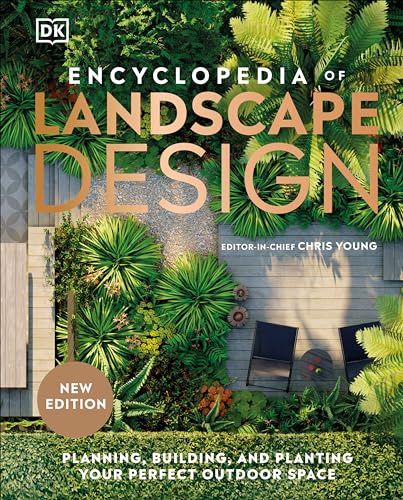
Encyclopedia of Landscape Design: Planning, Building, and Planting Your Perfect Outdoor Space
Check price on Amazon
SOLPEX 10 Pack Small Solar Ground Lights, Pathway Lights Cool White | Stainless Steel Solar Powered Walkway Lights Waterproof, Landscape Lighting for Driveway, Garden, Backyard, Patio
Check price on Amazon
TCBWFY Auger Drill Bit for Planting 1.6x16.5inch Extended Length Garden Auger Spiral Drill Bit for Planting Bulbs Flowers,Post Hole Digger for 3/8”Hex Drill
Check price on Amazon
33ft. Galvanized Steel Landscape Edging (10-Pack) – 40" Metal Edging for Landscaping with 11 Stakes, Hammer-in Metal Landscaping Edging for Yard Pathway & Flower Beds – Lawn Edge for Garden Design
Check price on Amazon
CKLT Edger Lawn Tool 41in Border Edger with Tempered Spring Steel Blade | Long Rubber Handle Wide Footplate Rustproof Manganese Steel Half Moon Edger for Garden Maintenance
Check price on Amazon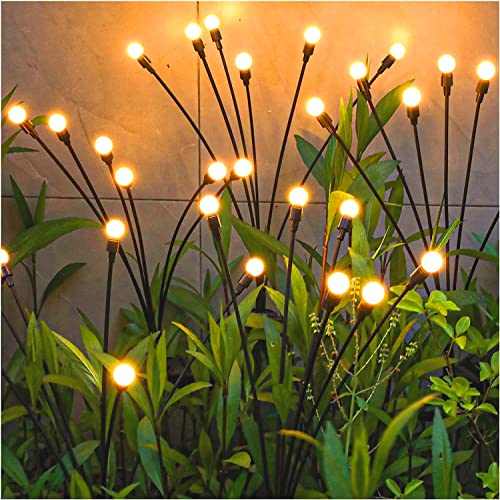
TONULAX Solar Garden Lights - Upgraded Solar Swaying Light, Sway by Wind, Outdoor Lights, Yard Patio Pathway Decoration, High Flexibility Iron Wire & Heavy Bulb Base, Warm White(2 Pack)
Check price on Amazon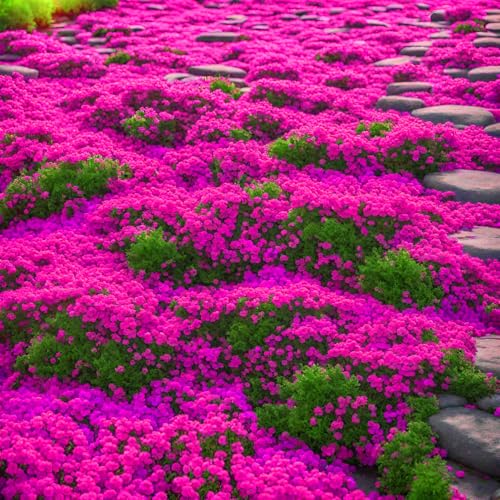
20000pcs Creeping Thyme Seeds for Planting Perennial Ground Cover Plants Heirloom Flowers Non-GMO Thymus Serpyllum Seed
Check price on Amazon
Lawn Leveling Rake - Heavy Duty 17"x10" Stainless Steel Leveler Plate,Reinforced Welds,28-60" Adjustable, Anti Flipping Smooth Edge,for Soil, Dirt,Ground,Backyard Top Dressing,Landscaping
Check price on AmazonDisclaimer
Let Gardening provides educational content only. Not a substitute for professional horticulturist or landscape architect services. Always consult a qualified professional for major landscaping or agricultural work. Some content may use AI. We are not responsible for plant damage, injuries, or outcomes. By using this site, you accept these terms. If you do not agree, please leave this website and discontinue its use. Read full disclaimer.