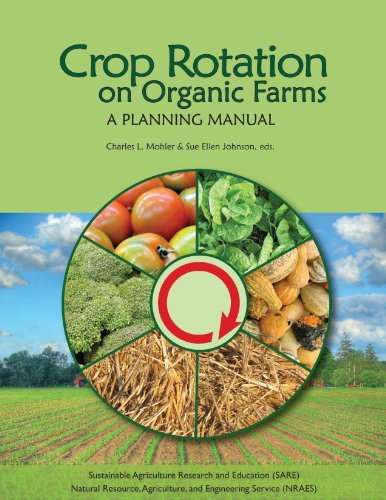
Crop Rotation: The Secret to Healthy Soil & Bumper Harvests
Stop depleting your soil and start growing smarter. Learn how crop rotation prevents disease, improves fertility, and boosts vegetable yields year after year.
See the 4-Year PlanLet gardening be sustainable. Crop rotation is one of the oldest and most effective techniques for maintaining healthy, productive vegetable gardens. By alternating plant families in different beds each season, you naturally break pest cycles, balance soil nutrients, and reduce the need for chemical fertilizers. Whether you grow in raised beds or open ground, this guide will help you design a rotation plan that works for your space.
Why Crop Rotation Matters
🧪 Nutrient Management
Different vegetables have different nutrient needs. Heavy feeders like tomatoes and corn deplete nitrogen, while legumes (beans, peas) actually fix nitrogen in the soil. Rotating crops prevents nutrient exhaustion and keeps your soil fertile without synthetic inputs.
🐛 Pest & Disease Control
Many pests and soil-borne diseases are plant-family specific. If you grow tomatoes in the same spot every year, pest populations build up. Rotating breaks the cycle, reducing outbreaks and the need for chemical sprays.
🌱 Soil Structure
Plants with deep taproots (like carrots) break up compacted soil, while shallow-rooted crops (like lettuce) benefit from that aeration. A good rotation includes both deep and shallow roots to improve soil tilth.
🌿 Weed Suppression
Fast-growing, dense crops like squash and sweet potatoes shade out weeds. Alternating these with slower-growing crops helps keep weed pressure low naturally.
Know Your Vegetable Families
To rotate effectively, group your vegetables by botanical family. Here are the main groups you'll need for a solid plan:
🍅 Nightshades (Solanaceae)
- Tomatoes
- Peppers
- Eggplant
- Potatoes
Heavy feeders, susceptible to blight and verticillium wilt.
🥬 Brassicas (Brassicaceae)
- Cabbage, Kale
- Broccoli, Cauliflower
- Brussels Sprouts
- Radish, Turnip
Heavy feeders, prone to clubroot and cabbage worms.
🧅 Alliums (Amaryllidaceae)
- Onions
- Garlic
- Leeks
- Shallots
Light feeders, good for breaking pest cycles.
🌱 Legumes (Fabaceae)
- Beans (all types)
- Peas
- Lentils
- Clover (green manure)
Nitrogen-fixers, excellent for soil improvement.
🥒 Cucurbits (Cucurbitaceae)
- Cucumbers
- Squash, Zucchini
- Melons, Pumpkins
Heavy feeders, susceptible to powdery mildew.
🥕 Umbellifers (Apiaceae)
- Carrots
- Parsnips
- Celery
- Dill, Parsley
Moderate feeders, deep taproots improve soil.
A Simple 4-Year Rotation Plan
Let gardening be organized. The classic 4-bed rotation divides your garden into four sections and moves plant families through them in a cycle. Here's a sample plan for a typical vegetable garden:
| Year | Bed 1 | Bed 2 | Bed 3 | Bed 4 |
|---|---|---|---|---|
| Year 1 | Nightshades (tomatoes, peppers) | Legumes (beans, peas) + green manure | Brassicas (cabbage, broccoli) | Roots (carrots, onions) |
| Year 2 | Legumes + green manure | Brassicas | Roots | Nightshades |
| Year 3 | Brassicas | Roots | Nightshades | Legumes + green manure |
| Year 4 | Roots | Nightshades | Legumes + green manure | Brassicas |
💡 Tip: In the legume bed, plant a cover crop like winter rye or clover after harvest to add even more organic matter.
Rotation Strategies for Small Spaces
🌿 3-Bed Rotation
If you only have three beds, group families into: Heavy Feeders (nightshades, brassicas), Light Feeders (roots, alliums), and Soil Builders (legumes, cover crops). Rotate them each year.
🪴 Container & Raised Bed Rotation
In raised beds or containers, you can rotate by moving potting mix and planting different families each season. Even a simple swap between tomatoes and beans can make a big difference.
📆 Seasonal Succession
For warm climates, you can rotate within a single year. Plant a spring crop of peas (legume), followed by summer tomatoes (nightshade), then fall brassicas. This is a form of succession planting that maximizes space.
🌾 Green Manures & Cover Crops
Incorporate cover crops like buckwheat, clover, or winter rye into your rotation. They add organic matter, suppress weeds, and protect soil over winter. Learn more about soil building with cover crops.
Crop Rotation Mistakes to Avoid
- Rotating by plant type, not family: Tomatoes and potatoes are both nightshades – they share pests. Always group by botanical family, not by growth habit.
- Skipping a year: Even one year of repeating a family can allow pests to persist. Stick to the cycle.
- Ignoring root depth: Rotate deep-rooted (carrots) with shallow-rooted (lettuce) to improve soil structure.
- Forgetting to add compost: Rotation isn't a replacement for composting and organic matter. Feed your soil every year.
Ready to Rotate?
Start by mapping your garden beds and grouping your favorite vegetables into families. Even a simple two-year rotation (e.g., nightshades followed by legumes) is better than none. Over time, you'll notice healthier plants, fewer pest problems, and more abundant harvests.
Let gardening be your guide. For more vegetable-growing wisdom, explore our complete vegetable gardening hub or dive into tomato growing tips and companion planting to take your garden to the next level.
🛠️ Want to get started? Browse our recommended gardening tools and supplies below – from soil testers to raised bed kits, we've selected the best products to support your rotation plan.