Shade Sails: The Ultimate Buyer's Guide for a Cooler, Stylish Outdoor Space
Transform your patio, garden, or poolside into a comfortable retreat with shade sails. Learn how to choose the right material, size, and installation method—and discover top-rated options for every outdoor setting.
Explore Top Shade Sail PicksWhy shade sails are a smart choice: Unlike traditional umbrellas or awnings, shade sails offer flexible, modern sun protection that can be configured for any outdoor space. They block harmful UV rays, reduce temperatures underneath by up to 20°F, and add architectural interest to your landscape. Whether you're covering a poolside table, creating a shaded dining area, or protecting plants in a shade garden, the right shade sail makes all the difference.
What Are Shade Sails and How Do They Work?
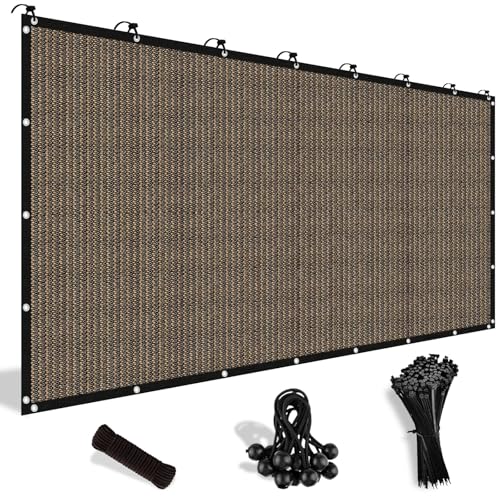
Shade sails are tensioned fabric structures—typically triangular, square, or rectangular—that are stretched between anchor points to create overhead shade. Originally designed for commercial spaces, they've become a popular residential solution for patios, decks, gardens, and play areas. The fabric is usually made from HDPE (high-density polyethylene), PVC-coated polyester, or canvas, and the edges are reinforced with webbing and stainless steel D-rings for durability.
The key to a shade sail's effectiveness is proper tension. When installed correctly, the fabric stays taut, preventing sagging that can collect water or create wind damage. Shade sails are also breathable (in the case of HDPE), allowing hot air to escape while blocking up to 95% of UV rays. For areas that need rain protection, waterproof options are available.
Types of Shade Sails: Materials and Construction
Choosing the right material is the most important decision when buying a shade sail. Here's a breakdown of the most common options:
| Material | Best For | Pros | Cons | Quality Tier |
|---|---|---|---|---|
| HDPE (High-Density Polyethylene) | General shade, windy areas, gardens | Breathable, mold-resistant, lightweight, UV-blocking | Not waterproof, can fade over time | Entry-level to mid-range |
| PVC-Coated Polyester | Rain protection, pool areas | Waterproof, durable, blocks UV | Heavier, less breathable, can crack in cold | Mid-range to premium |
| Commercial-Grade HDPE | Large areas, high-wind zones | Superior UV resistance, reinforced edges, long lifespan | Higher cost, stiffer fabric | Premium |
| Canvas (Polyester/Cotton Blend) | Decorative residential use | Attractive, breathable, easy to sew | Not waterproof unless treated, heavier | Mid-range |
HDPE Shade Sails: The All-Rounder
HDPE is the most common material for residential shade sails. It's woven from polyethylene fibers, which are naturally UV-stable and resistant to rot and mildew. Because it's breathable, HDPE allows hot air to escape, making it ideal for shade garden design ideas and areas where airflow matters. It's also lightweight, making installation easier. However, HDPE sails are not waterproof—rain passes through them, which is actually an advantage in windy areas because it prevents water pooling.
PVC-Coated Polyester: Waterproof Protection
If you need rain protection, PVC-coated polyester is the way to go. These sails are heavier and less breathable, but they're fully waterproof and block more UV radiation. They're ideal for covering a poolside table or outdoor dining area where you want to stay dry. The trade-off is that they require steeper angles for water runoff and may not be suitable for areas with heavy snowfall or extreme cold.
Commercial-Grade Sails: Built to Last
Commercial-grade shade sails use the same HDPE material but with higher-density weaving, reinforced edges, and heavy-duty stainless steel hardware. They're designed for large spans and high-wind areas, and they typically last 10 years or more. If you're covering a large patio or a commercial space, this is the safest investment.
How to Choose the Right Shade Sail Size and Shape
Shade sails come in three primary shapes: triangular, square, and rectangular. The shape you choose depends on the area you want to cover and the anchor points available.
Triangular Shade Sails
Triangular sails are the most common and versatile. They're ideal for corners of patios, over a poolside table, or between three posts. A single triangular sail can cover a significant area, and multiple triangles can be arranged in a staggered pattern for larger spaces. When measuring, keep in mind that the sail is measured from corner to corner before tensioning—once installed, it will cover slightly less area.
Square and Rectangular Shade Sails
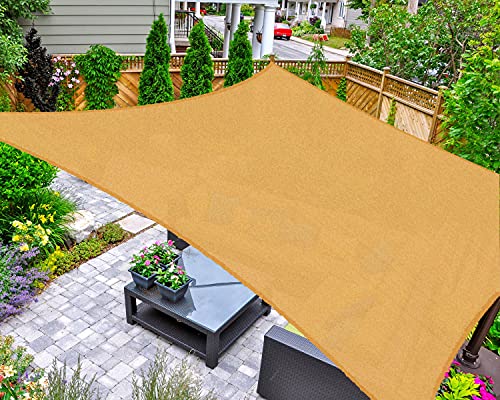
Square and rectangular sails are better for covering large, regular-shaped areas like a patio or deck. They require four anchor points and typically need more tension to stay taut. Rectangular sails are available in a wide range of sizes, making them a good choice for covering a rectangular outdoor dining table or a seating area.
Pro Tip: Always buy a sail that is slightly larger than the area you want to shade. Sails are measured before tensioning, and they can stretch 5-10% when installed. Also, angle the sail so that rainwater runs off—a 20-degree slope is usually sufficient for HDPE sails, while waterproof sails need a steeper angle.
Installation: What You Need to Know
Shade sail installation can be a DIY project if you have basic tools and a helper, but it requires careful planning. The most important factor is the strength of your anchor points. A tensioned shade sail can generate significant force—especially in wind—so anchors must be securely attached to structural elements like posts, beams, or masonry walls.
Mounting Options
- Existing structures: You can attach shade sails to pergolas, fences, or tree trunks using mounting brackets and turnbuckles. Make sure the structure is sound and can handle the tension.
- Dedicated posts: For open areas, install 4x4 or 6x6 wooden or metal posts set in concrete. The posts should be at least 8 feet tall and spaced according to the sail's dimensions.
- Wall mounts: If attaching to a house or garage wall, use heavy-duty lag bolts or masonry anchors. Never attach to siding or drywall alone.
Hardware and Tensioning
Most shade sails come with basic hardware, but it's often worth upgrading to stainless steel turnbuckles, snap hooks, and pad eyes for better durability. Turnbuckles allow you to adjust tension after installation—this is crucial because sails will stretch over time. A properly tensioned sail should be taut with no sagging, but not so tight that the fabric is distorted.
Step-by-Step Installation Overview
- Plan your anchor points and ensure they're structurally sound.
- Install mounting brackets or posts.
- Attach the sail to the anchor points using D-rings and hardware.
- Use turnbuckles to tension the sail gradually, working corner to corner.
- Check for sagging and adjust tension as needed.
- Angle the sail for water runoff (especially for waterproof sails).
Maintenance and Care for Long-Lasting Shade Sails
Shade sails are relatively low-maintenance, but a little care will extend their lifespan significantly. Clean your sail seasonally with mild soap and water—avoid harsh chemicals or pressure washing, which can damage the fabric. Inspect the hardware regularly for rust or wear, and tighten turnbuckles as needed. During severe storms or winter, consider removing the sail to prevent damage from high winds or snow accumulation.
If you live in a windy area, choose a breathable HDPE sail rather than a waterproof one—this reduces wind load and prevents the sail from acting like a parachute. For areas with heavy leaf fall, a pruning tips routine can help keep debris off the sail.
Shade Sails vs. Other Shade Solutions
How do shade sails compare to umbrellas, awnings, and pergolas? Shade sails offer a modern, airy aesthetic that blends well with both contemporary and traditional landscapes. They're more flexible than a fixed awning and provide better coverage than a single umbrella. Unlike a retractable awning, shade sails don't require a wall attachment, making them suitable for open patios and gardens. They're also more affordable than a full pergola and can be installed in a fraction of the time.
For a cohesive outdoor design, consider pairing shade sails with other shade solutions—for example, a sail over a seating area combined with a portable folding patio privacy screen for wind protection. Or use a sail to shade a small outdoor table with fire pit during the day while keeping the fire pit usable in the evening.
Common Mistakes to Avoid When Buying a Shade Sail
- Buying the wrong size: Always measure the area and account for stretch. A sail that's too small won't provide adequate coverage.
- Ignoring wind load: In windy areas, choose a breathable HDPE sail and ensure anchors are rated for the load.
- Skimping on hardware: Cheap turnbuckles and D-rings can fail. Upgrade to stainless steel for safety and longevity.
- Improper tension: A sagging sail collects water and flaps in the wind, leading to premature wear. A properly tensioned sail is taut but not overstretched.
- Not considering drainage: Waterproof sails need a steep angle for runoff. If you can't achieve that, choose a breathable sail instead.
Ready to Create Your Shaded Oasis?
Browse our curated selection of top-rated shade sails for every budget and outdoor space. From entry-level HDPE triangles to premium commercial-grade rectangles, we've got you covered.
Shop Shade Sails NowFrequently Asked Questions About Shade Sails
Final thoughts: A shade sail is one of the most cost-effective ways to add comfort and style to your outdoor space. Whether you're shading a poolside table, creating a cool spot in your shade garden, or protecting a rectangular outdoor dining table, the right sail will keep you cool and protected for years. Pair it with other outdoor upgrades like a solar garden light for evening ambiance, or a propane fire table for cooler nights, and you'll have a truly functional and beautiful outdoor living space.