Shade Garden Design Ideas: Create a Lush, Low-Light Oasis
Turn a shady corner into the most inviting part of your yard. Discover proven shade garden design ideas, from layering and plant selection to hardscaping and maintenance, so you can grow a beautiful garden even where the sun rarely reaches.
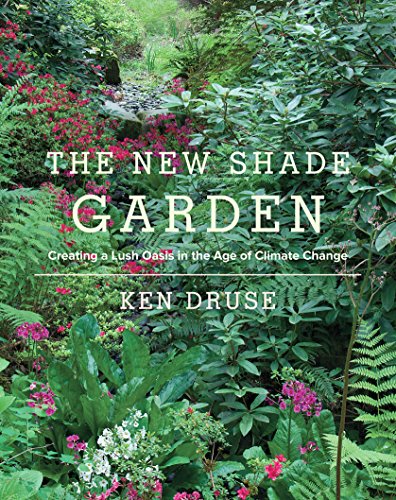
EXPLORE SHADE GARDEN IDEASWhy shade gardens deserve a second look: Many gardeners see shade as a limitation, but it is actually an opportunity. Shade gardens stay cooler in summer, need less watering, and open the door to a stunning palette of foliage plants that struggle in full sun. With the right design approach, a low-light area can become a calm, textured retreat that feels like a woodland escape right outside your door.
Understanding Your Shade: The Foundation of Good Design
Before choosing a single plant, identify what kind of shade you have. Shade is not one thing—it varies in intensity and duration, and that difference determines which plants will thrive. Observing your site for a full day across a couple of seasons is the single most useful design step you can take.
Deep Shade
Little to no direct sun all day, often under dense evergreens or on the north side of a building. Choose the toughest foliage plants and focus on texture and form rather than flowers.
Partial Shade
About three to six hours of sun, often in the morning or late afternoon. This is the most versatile shade category and supports the widest plant selection, including many flowering perennials.
Dappled Shade
Filtered light through a tree canopy. It mimics a woodland floor and is ideal for ferns, hostas, hellebores, and woodland wildflowers that enjoy even moisture and soft light.
Once you know your shade type, you can design with confidence. A common mistake is planting sun-loving species in deep shade and hoping they adapt—they rarely do. Matching plants to the actual light level is the difference between a garden that struggles and one that flourishes with minimal fuss.
Core Shade Garden Design Ideas
1. Design With Foliage First
In low light, flowers are often fleeting, but foliage carries the garden through the season. Build your design around leaf color, shape, and texture: bold hosta leaves, feathery fern fronds, silver-veined heuchera, and strappy sedge grasses. Contrast coarse leaves with fine ones, and mix deep greens with chartreuse, burgundy, and variegated foliage to create depth.
2. Use Layering to Add Depth
Shade gardens feel richer when they are layered like a forest floor. Place taller shrubs or small trees at the back, medium perennials in the middle, and low groundcovers at the front. Layering also hides bare soil and suppresses weeds. For small or enclosed spaces, this technique makes a compact area feel intentionally designed rather than sparse.
- Back layer: Japanese maple, hydrangea, or tall ferns
- Middle layer: hostas, astilbe, hellebores, and epimedium
- Front layer: sweet woodruff, creeping phlox, or low sedges
3. Brighten the Space With Hardscaping and Light Colors
Shade can feel gloomy if everything in the space is dark. Light-colored gravel, pale stone pavers, a white bench, or a softly painted fence all reflect light and lift the mood. A small fountain or water feature adds reflective movement and a soothing sound that suits the quiet character of a shade garden. A few well-placed solar garden lights extend the garden's usability into the evening.
4. Create a Focal Point
Every garden benefits from a visual anchor. In shade, a sculptural container, a moss-covered urn, a birdbath, or a single specimen plant can draw the eye and give the space structure. Pair a bright-leaved specimen with a dark backdrop to make it stand out even in low light.
5. Plan for Seasonal Interest
A well-designed shade garden has something to offer in every season. Spring brings hellebores, trillium, and ephemeral wildflowers; summer offers astilbe, hydrangea, and lush foliage; autumn brings Japanese maple color and berries; winter reveals evergreen structure and textured bark. Layer these seasons together so the garden never looks empty.
Best Plants for Shade Garden Designs
Plant selection is where shade gardens truly shine. The table below groups reliable performers by role in the design, so you can build a balanced planting plan quickly.
| Plant | Role in Design | Shade Tolerance | Notes |
|---|---|---|---|
| Hosta | Foliage anchor | Partial to deep shade | Huge range of leaf colors and sizes; ideal for structure |
| Japanese Maple | Small tree / focal point | Partial to dappled shade | Stunning form and autumn color |
| Fern | Texture and softness | Deep to dappled shade | Loves moisture; perfect for woodland borders |
| Astilbe | Flowering accent | Partial shade | Feathery plumes in summer; needs even moisture |
| Heuchera (Coral Bells) | Color accent | Partial shade | Rich burgundy, silver, and lime foliage |
| Hellebore | Winter/early spring interest | Partial to dappled shade | Blooms when little else does |
| Hydrangea | Shrub layer | Partial shade | Large blooms and bold leaves; shelter from harsh afternoon sun |
| Epimedium | Groundcover | Deep to dappled shade | Spreads slowly; delicate spring flowers |
If your shade area is indoors or on a covered porch, many of the same principles apply. Browse plants that do well with little to no light and plants that can be grown indoors without sunlight for inspiration that translates directly to a low-light outdoor corner.
Preparing the Soil for a Shade Garden
Build a Rich, Well-Draining Foundation
Shade gardens often sit under trees, where soil can be dry, compacted, and root-filled. Before planting, amend the soil with compost, leaf mold, or a quality garden mix to improve structure and moisture retention. Avoid digging too deeply around established tree roots—work in pockets between roots instead.
Good soil is the difference between plants that merely survive and plants that thrive. If you are unsure about your soil conditions, a simple soil tester can reveal pH and moisture levels, and soil guides can help you choose the right amendments. For container plantings in shade, use a high-quality potting soil and potting mix that drains well but holds consistent moisture.
Maintaining a Shade Garden Through the Seasons
Low-Maintenance, Not No-Maintenance
Shade gardens are generally lower maintenance than sunny gardens—less watering, fewer heat-stressed plants—but they still need attention. Key tasks include:
- Watering: Deep, infrequent watering encourages strong roots. Under trees, competition for water is fierce, so check moisture regularly.
- Mulching: A layer of organic mulch conserves moisture, suppresses weeds, and adds nutrients as it breaks down.
- Weed control: Remove weeds early. For stubborn patches, consider a targeted organic weed killer that is safe around desirable plants.
- Pruning: Follow pruning tips to shape shrubs and remove dead growth. Keep pruning shears sharp and clean for healthy cuts.
- Dividing perennials: Hostas, ferns, and astilbe benefit from division every few years to stay vigorous.
Shade Garden Ideas for Small Spaces
Small shade gardens can be just as striking as large ones. The key is to be deliberate with every square foot. Consider these approaches:
- Use tall containers to add vertical interest without taking up ground space.
- Group plants in odd numbers and repeat a few key species for a cohesive look.
- Use a light-colored gravel or mulch to reflect light and make the space feel larger.
- Add a small bench or seating area so the garden invites you to linger.
- Choose small plants that are easy to take care of to keep maintenance manageable.
If you are designing a shade garden along a slope, retaining walls and a few budget-friendly sloped backyard ideas can help stabilize soil and create terraced planting beds that look intentional and perform well.
Bring Your Shade Garden to Life With Wildlife
A shade garden can be a haven for pollinators and birds. Choose shade plants that attract hummingbirds and butterflies to add movement and life to the space. A simple solar-powered bird bath fountain or a traditional bird bath fountain with battery backup creates a water source that wildlife will visit throughout the day.
Ready to Start Your Shade Garden?
The best shade gardens begin with a simple plan: know your light, build your soil, layer your plants, and add a focal point. Start with a few reliable performers and expand as you learn what thrives in your space. Your shady corner can become the most peaceful part of your yard.
START YOUR GARDEN JOURNEYFrequently Asked Questions
What plants grow best in a shade garden?
Reliable shade garden plants include hostas, ferns, astilbe, heuchera, Japanese maple, hydrangea, hellebores, and epimedium. Match each plant to your specific shade level—deep shade, partial shade, or dappled shade—for the best results.
How do I design a shade garden in a small yard?
Use vertical layering with tall plants at the back, medium plants in the middle, and low groundcovers in front. Add a focal point such as a container or small fountain, and use light-colored hardscaping to brighten the space and make it feel larger.
Does a shade garden need special soil?
Shade gardens benefit from rich, well-draining soil amended with organic matter such as compost or leaf mold. Most shade plants prefer consistently moist but not waterlogged soil, so improve drainage and add organic material before planting.
Can I grow vegetables in a shade garden?
Most fruiting vegetables need full sun, but leafy greens such as lettuce, spinach, and kale tolerate partial shade. A shade garden is generally better suited to ornamental plants, herbs like mint and parsley, and woodland species.