
Liriope: The Ultimate Care Guide for This Versatile Ground Cover
Discover everything you need to know about growing, caring for, and designing with Liriope (Lilyturf). This tough, evergreen perennial is perfect for borders, slopes, and shady spots.
SHOP LIRIOPE TOOLS & SUPPLIESWhy Liriope? Liriope, also known as Lilyturf, is a popular, low-maintenance ground cover that thrives in a variety of conditions. With its grass-like foliage and spikes of purple or white flowers, it adds texture and color to any garden. This guide covers all aspects of Liriope care, from planting to propagation.
What is Liriope? (Lilyturf)
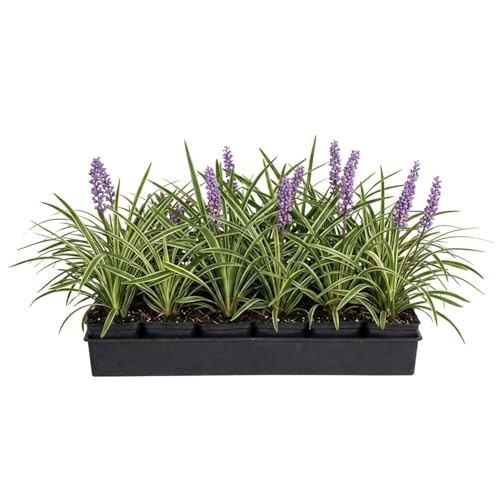
Liriope is a genus of low-growing, evergreen perennial plants native to East Asia. It is prized for its ability to form dense, weed-suppressing mats of arching, grass-like leaves. In late summer to early fall, Liriope produces spikes of small, rounded flowers in shades of lavender, purple, or white, followed by dark berries.
There are two main species commonly grown: Liriope muscari (clumping form) and Liriope spicata (spreading form). Both are tough, adaptable, and ideal for a wide range of garden settings, including shade garden design ideas and ground cover plants collections.
Liriope Varieties: Choosing the Right Type
Selecting the right Liriope for your garden depends on your needs and the growing conditions. The two most common types are:
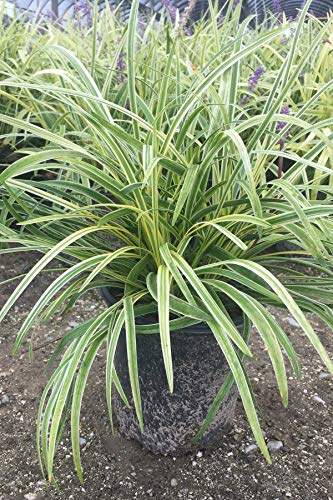
- Liriope muscari (Clumping Lilyturf): This variety grows in neat, clumping mounds. It is well-behaved and does not spread aggressively, making it an excellent choice for borders, edging, and mass plantings. Popular cultivars include 'Big Blue' and 'Variegata'.
- Liriope spicata (Creeping Lilyturf): This species spreads rapidly via underground stolons, forming a dense, carpet-like mat. It is an ideal choice for slopes, banks, and areas where you want a tough, erosion-controlling ground cover. However, it can become invasive in some situations, so plant it with care.
Both types are excellent plants that attract pollinators to vegetable garden areas and are also known to be deer-resistant perennial flowers that bloom all summer.
How to Plant and Care for Liriope
Liriope is remarkably easy to grow, which is why it's a favorite among both novice and experienced gardeners. Follow these simple steps for success:
When and Where to Plant
- Timing: The best time to plant Liriope is in spring or early autumn, giving the roots time to establish before extreme weather.
- Light: Liriope is incredibly versatile. It thrives in full sun to partial shade. In hotter climates, afternoon shade is beneficial.
- Soil: It prefers well-drained soil but is tolerant of a wide range of soil types, including clay and sandy soils. Improve soil with composting materials for optimal growth.
Planting Steps
- Spacing: Space plants 12–18 inches apart for a dense ground cover. For Liriope spicata, give them a bit more room to spread.
- Planting Depth: Dig a hole as deep as the root ball and twice as wide. Place the plant so the crown is level with the soil surface.
- Watering: Water thoroughly after planting and keep the soil consistently moist during the first growing season.
Ongoing Care
- Watering: Once established, Liriope is quite drought-tolerant. Water deeply during prolonged dry spells.
- Fertilizing: Apply a balanced, slow-release best fertilizer for plants in spring to encourage vigorous growth and abundant flowers.
- Pruning: In late winter or early spring, cut back old, tattered leaves to make way for fresh new growth. This is best done using sharp gardening tools like hedge shears or a string trimmer.
- Dividing: Every 3–4 years, clumping varieties (L. muscari) benefit from division. Dig up the clump, separate it into smaller sections, and replant.
Landscaping with Liriope: Design Ideas
Liriope's versatility makes it a superstar in landscape design. Here are some inspiring ways to use it in your garden:
- Border Edging: Use clumping Liriope muscari to create neat, tidy edges along walkways, driveways, and flower beds.
- Ground Cover: Plant Liriope spicata on slopes and banks to prevent erosion and suppress weeds.
- Underplanting: It's a fantastic choice for underplanting trees and shrubs where grass struggles to grow.
- Mass Planting: Create a dramatic effect by mass-planting Liriope in large drifts, especially in landscaping ideas for front of house with stones.
- Container Gardens: Liriope also thrives in containers, making it a great addition to patios and balconies.
Troubleshooting: Common Pests and Problems
Liriope is generally pest and disease-free, but it can occasionally face a few issues:
- Leaf Spot: A fungal disease that causes brown spots on leaves. Improve air circulation and avoid overhead watering.
- Root Rot: Occurs in poorly drained soil. Ensure the planting site has good drainage.
- Slugs and Snails: These pests can damage young foliage. Use natural or organic deterrents.
- Invasive Spread: Liriope spicata can spread aggressively. Consider planting it in a confined area or using a root barrier.
For more natural solutions, check out our guide on natural pest control methods.
Frequently Asked Questions About Liriope
- Is Liriope evergreen? Yes, Liriope is an evergreen perennial, providing year-round interest.
- Is Liriope invasive? Liriope spicata is considered invasive in some regions. Liriope muscari is clumping and non-invasive.
- How tall does Liriope grow? Typically, Liriope grows 8–18 inches tall, with flower spikes reaching up to 24 inches.
- Can Liriope grow in full shade? Yes, it can grow in full shade, although flowering is often better with some sun.
Final Tips for a Thriving Liriope
Summary: Liriope is a resilient, beautiful, and low-maintenance plant that adds value to any garden. Whether you choose the clumping form for borders or the spreading form for slopes, this versatile plant is a fantastic choice. With the right care, your Liriope will reward you with years of lush, green foliage and charming blooms.
Ready to get started? Explore our selection of recommended tools and supplies below to help you plant and care for your Liriope successfully.



![[Medicinal Korean Herb] Roasted Liriope platyphylla Root Tea/Lilyturf/볶은 맥문동 차) Dried Bulk Herbs 4oz (113g)](https://m.media-amazon.com/images/I/51lxb6MqxvL._SL500_.jpg)