🌻 Plants That Attract Pollinators to Vegetable Garden
Transform your vegetable garden into a buzzing paradise. Discover the best plants that attract bees, butterflies, and beneficial insects to boost pollination and maximize your harvest.
Why Pollinators Matter: Pollinators are essential for vegetable gardens. Bees, butterflies, and other beneficial insects help transfer pollen, leading to better fruit set and higher yields. By planting the right flowers and herbs, you can create a thriving ecosystem that supports both your vegetables and the environment. Let gardening be your guide to a more productive and sustainable garden.
Top 10 Pollinator-Friendly Plants for Vegetable Gardens
🌼 Marigolds
Bright, cheerful, and easy to grow. Marigolds attract bees and repel harmful nematodes. Plant them near tomatoes and peppers.
- Best for: Tomatoes, peppers, squash
- Bloom: Summer to frost
- Sun: Full sun
🌿 Basil
This culinary herb produces tiny flowers that bees love. Let some basil go to seed to attract pollinators while you harvest the leaves.
- Best for: Tomatoes, peppers, eggplants
- Bloom: Mid to late summer
- Sun: Full sun
🌸 Borage
Star-shaped blue flowers are a magnet for bees. Borage also improves the flavor of tomatoes and strawberries.
- Best for: Tomatoes, strawberries, squash
- Bloom: Summer
- Sun: Full sun to partial shade
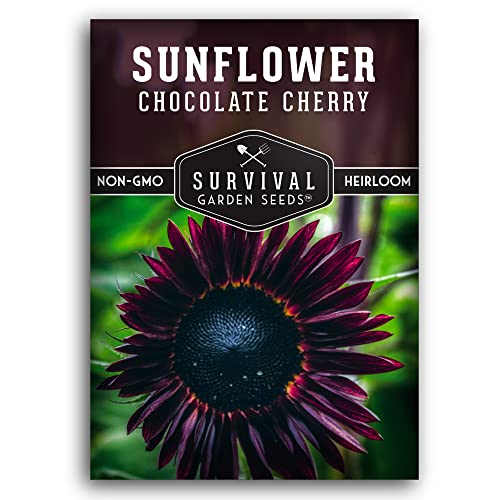
🌻 Sunflowers
Tall and stunning, sunflowers are a favorite of bees and butterflies. They also provide shade for heat-sensitive vegetables.
- Best for: Cucumbers, beans, corn
- Bloom: Midsummer to fall
- Sun: Full sun
🌸 Lavender
Fragrant and drought-tolerant, lavender attracts bees and adds beauty to the garden. Plant it near pathways to enjoy the scent.
- Best for: All vegetables
- Bloom: Early to late summer
- Sun: Full sun
🌺 Zinnias
Colorful and long-blooming, zinnias are irresistible to butterflies and bees. They are excellent cut flowers too.
- Best for: All vegetables
- Bloom: Summer to frost
- Sun: Full sun
🌿 Dill
Dill flowers attract beneficial wasps and hoverflies that prey on aphids and caterpillars. A must-have for pest control.
- Best for: Cabbage, broccoli, kale
- Bloom: Mid to late summer
- Sun: Full sun
🌸 Cosmos
Easy to grow and very attractive to bees and butterflies. Cosmos also add a wildflower feel to your garden.
- Best for: All vegetables
- Bloom: Summer to fall
- Sun: Full sun
🌼 Calendula
Also known as pot marigold, calendula blooms continuously and attracts pollinators. Its petals are also edible.
- Best for: All vegetables
- Bloom: Spring to frost
- Sun: Full sun to partial shade
🌱 Fennel
Fennel flowers attract a variety of beneficial insects. It's a great addition to any vegetable garden for biodiversity.
- Best for: All vegetables
- Bloom: Mid to late summer
- Sun: Full sun
Tips for Attracting Pollinators
🌿 Plant in Clusters: Group the same type of pollinator plant together. Clusters are easier for bees and butterflies to spot, and they'll spend more time in your garden, visiting your vegetables too.
🌸 Provide Continuous Bloom: Choose plants that bloom at different times throughout the growing season so there's always a food source for pollinators from spring to fall.
💧 Avoid Pesticides: Pesticides can harm beneficial insects. Use natural pest control methods instead. Let gardening help you find safe alternatives.
☀️ Provide Shelter: Leave some bare ground for ground-nesting bees and provide small piles of twigs or logs for other insects. A water source like a shallow dish with stones is also helpful.
Companion Planting for Pollinators
Companion planting is a powerful strategy to attract pollinators while also improving the health of your vegetables. Here are some proven pairings:
By integrating these combinations, you not only attract pollinators but also deter pests and improve soil health. For more ideas, explore our companion planting guide.
Why Pollinators Boost Vegetable Yields
Pollination is crucial for fruiting vegetables. Without adequate pollination, plants produce fewer fruits and smaller yields. By attracting pollinators, you ensure that flowers are properly pollinated, resulting in larger, more abundant vegetables. For example, squash and cucumbers depend heavily on bees for pollination. Even self-pollinating plants like tomatoes benefit from the buzz of bees which helps release pollen.
Furthermore, a diverse insect population keeps pest populations in check. Beneficial insects like ladybugs and lacewings, which are attracted to many of the same flowers, help control aphids and other pests naturally. This reduces the need for chemical interventions, making your garden healthier and more sustainable. Learn more about natural pest control methods to keep your garden thriving.
Seasonal Pollinator Planning
To ensure a steady supply of pollinators, plan your garden to have flowers blooming from early spring through late fall. Start with early bloomers like spring-blooming bulbs and flower garden favorites. Follow up with summer-flowering plants like summer bloomers, and end with fall-blooming plants like marigolds and milkweed. This continuous supply of nectar and pollen will keep your garden buzzing all season long, enhancing your vegetable harvest.
Ready to transform your vegetable garden? Start planting these pollinator-friendly plants and watch your yields soar. Let gardening be your partner in creating a vibrant, productive, and sustainable garden.
Explore More Vegetable Gardening Tips