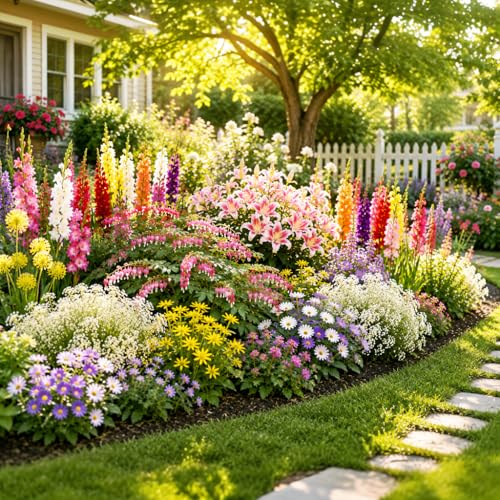
Spring Blooming Bulbs: Planting Guide & Best Varieties
Let gardening inspire you with the magic of spring blooming bulbs. From tulips to daffodils, discover expert tips, planting depth guides, and care advice to create a stunning spring display.
Why Spring Blooming Bulbs? Spring bulbs are the first burst of color after winter. They’re low-maintenance, return year after year, and offer endless variety. Whether you’re a beginner or a seasoned gardener, planting bulbs in fall is the secret to a spectacular spring garden. This guide covers everything from choosing the right bulbs to planting, care, and naturalizing for years of beauty.
Top Spring Blooming Bulbs for Your Garden
Tulips (Tulipa)
Available in nearly every color, tulips are the quintessential spring bulb. Plant in well-drained soil with full sun. Ideal for beds, borders, and containers. Bloom time: mid to late spring.
Daffodils (Narcissus)
Cheerful yellow, white, or bicolor blooms that naturalize beautifully. Deer and rodent resistant. Plant in sun or partial shade. Bloom time: early to mid spring. Reliable and long-lasting.
Hyacinths (Hyacinthus)
Highly fragrant, dense flower spikes in pink, purple, white, and blue. Perfect for pots and front-of-border displays. Plant in well-drained soil with full sun to light shade. Bloom time: mid spring.
How to Plant Spring Blooming Bulbs: A Step-by-Step Guide
Planting bulbs is simple, but a few key steps ensure the best results. Follow these flower garden tips for success:
For more advanced techniques, explore our guides on composting to enrich your soil, or learn about designing a perennial flower garden for continuous blooms.
After-Care: Ensuring Bulbs Bloom Year After Year
Spring blooming bulbs are perennials, meaning they come back each year with the right care. Here's how to keep them thriving:
🌱 Essential Care Tips
- Deadheading: Remove spent flowers to redirect energy to the bulb, but leave the foliage until it yellowes.
- Fertilize Annually: In early spring, apply a slow-release fertilizer to boost flowering.
- Allow Foliage to Die Back: Don't cut back leaves until they wither naturally (6–8 weeks after blooming).
- Divide Overcrowded Clumps: Every 3–5 years, dig and divide bulbs to prevent overcrowding and decline.
⚠️ Common Problems & Solutions
- Bulb Rot: Ensure excellent drainage; avoid overwatering.
- Pests: Squirrels and voles may dig bulbs. Use wire mesh or plant daffodils (which they avoid).
- Poor Flowering: Usually due to shallow planting or depleted soil. Replant deeper and fertilize.
- Disease: Fungal issues like botrytis. Remove affected leaves and improve air circulation.
If you're looking to expand your garden, consider plants that attract pollinators to complement your spring bulb display. For shaded areas, check out shade plants that attract hummingbirds and butterflies.
Naturalizing Bulbs: Creating a Woodland or Meadow Look
Naturalizing means planting bulbs in a way that mimics nature, allowing them to spread and multiply over time. This works best with daffodils, crocus, and snowdrops. Plant in drifts among trees, in lawns, or in wildflower meadows. The key is to plant them where they can be left undisturbed. Naturalized bulbs offer a low-maintenance, sustainable way to add spring color.
For a cohesive landscape, use landscaping ideas with stones to define bulb beds, or blend them with ground cover plants for year-round interest.
Choosing the Right Bulb for Your Garden Conditions
Not all bulbs thrive in the same conditions. Here’s a quick guide to match your garden's light and soil:
- Full Sun (6+ hours): Tulips, hyacinths, alliums, and early-flowering daffodils.
- Partial Shade (3–6 hours): Daffodils, bluebells, anemones, and fritillaries.
- Wet Soil: Camassia, snake’s head fritillary (moisture-loving bulbs).
- Dry Soil (under trees): Snowdrops, winter aconites, and species tulips.
- Containers: All bulbs work well in pots; choose shorter varieties for stability.
For more inspiration, explore flowers that bloom in summer to plan for continuous seasonal color, or design a shade garden that complements your spring bulb display.
Expand Your Garden Knowledge: Discover more guides on spring gardening checklists, natural pest control methods, and how to care for lavender in pots to create a thriving, beautiful garden.