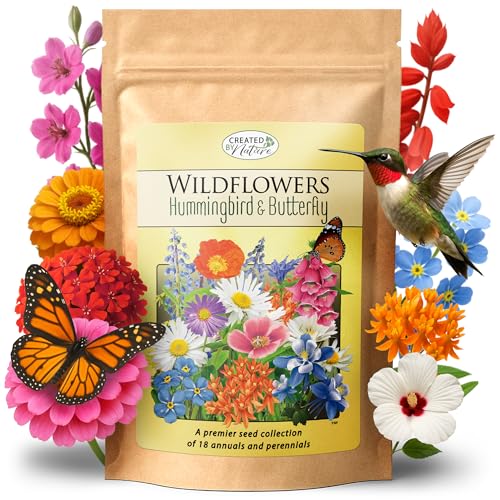
Shade Plants That Attract Hummingbirds and Butterflies
Turn a shady corner of your yard into a vibrant pollinator haven. Discover the best shade-tolerant plants that bring hummingbirds and butterflies to your garden — with expert care tips for lasting blooms.
Why a shade pollinator garden is worth it: Most gardeners assume pollinators only visit sunny borders, but many nectar-rich plants actually thrive in dappled light and partial shade. In fact, shade can protect delicate blooms and feeding hummingbirds from overheating during the hottest hours of the day. This guide explains exactly which plants work, how to arrange them, and what care they need so you can confidently build a pollinator-friendly shade garden this season.
Why Shade Gardens Can Still Be Pollinator Magnets
Hummingbirds and butterflies are opportunistic feeders — they follow nectar, not sunlight. If you plant the right shade-tolerant species, they will find them. Many woodland-edge plants evolved alongside pollinators and produce tubular or flat-faced flowers perfectly shaped for hummingbird beaks and butterfly proboscises. Partial shade (roughly 3–6 hours of sun) is often the sweet spot: enough light for flowering, but enough cover to keep visitors comfortable.
If you are still shaping the overall layout of a low-light area, our shade garden design ideas guide pairs well with this plant list — it covers structure, layering, and placement so pollinators have both food and shelter. And if you are starting from scratch with containers, quality potting soil and potting mix gives shade plants the drainage they need to bloom reliably.
Top Shade Plants That Attract Hummingbirds
Hummingbirds are drawn to bright red, orange, and pink tubular flowers with heavy nectar loads. The following selections perform well in partial to full shade depending on your climate.
Fuchsia
Pendulous, tube-shaped blooms in pink, purple, and red are classic hummingbird magnets. Perfect for hanging baskets in dappled shade; keep soil consistently moist.
Cardinal Flower (Lobelia cardinalis)
Brilliant scarlet spikes bloom in late summer and thrive in moist partial shade. One of the single best dual-purpose plants for hummingbirds and butterflies.
Columbine (Aquilegia)
Nodding, spurred flowers in red, yellow, and blue. Blooms in spring and tolerates light shade beautifully — a natural woodland-edge choice.
Bleeding Heart (Dicentra)
Arching stems of heart-shaped pink blooms in spring. Thrives in cool shade and pairs well with hostas and ferns for layered texture.
Bee Balm (Monarda)
Tubular whorled flowers in red and purple. Prefers partial shade in hot climates; attracts hummingbirds, butterflies, and bees in equal measure.
Coral Bells (Heuchera)
Delicate airy flower spikes rise above colorful foliage. Excellent for shade borders; hummingbirds visit for nectar while the foliage adds year-round interest.
Top Shade Plants That Attract Butterflies
Butterflies prefer flat, open flowers they can land on, plus host plants where they can lay eggs. These shade-tolerant selections deliver both nectar and caterpillar habitat.
Cardinal Flower
A butterfly powerhouse as well as a hummingbird magnet. Provides late-season nectar when many other flowers fade.
Tall Phlox (Phlox paniculata)
Clusters of fragrant pink, white, or purple blooms. Tolerates partial shade and draws swallowtails and fritillaries throughout summer.
Coneflower (Echinacea)
While best in sun, many varieties flower adequately in 4–6 hours of light. Flat landing-pad flowers are ideal for larger butterflies.
Asters (Woodland Types)
Late-blooming asters offer critical fall nectar. Woodland and heart-leaved asters tolerate shade well and support migrating butterflies.
Violets (Viola)
Host plants for fritillary butterflies. Low-growing and shade-loving, they spread naturally along woodland edges and under shrubs.
Joe-Pye Weed (Eutrochium)
Tall, mauve-pink flower heads in late summer. Prefers moist partial shade and attracts clouds of butterflies and bees.
Shade Tiers: Matching Plants to Your Light Level
Not all shade is equal. Before planting, assess your site. This simple tier system helps you choose the right plant for your conditions without guesswork.
| Shade Level | Light Conditions | Best Pollinator Plants |
|---|---|---|
| Light / Dappled Shade | 3–5 hours of sun or filtered light through trees | Bee balm, tall phlox, coneflower, asters |
| Partial Shade | 2–4 hours of sun, usually morning light | Cardinal flower, columbine, fuchsia, coral bells |
| Full Shade | Less than 2 hours of direct sun | Bleeding heart, violets, hostas (foliage), ferns |
For deep-shade spots where flowering is difficult, consider pairing pollinator plants in lighter pockets with ornamental foliage elsewhere. Our guide to plants that do well with little to no light covers reliable low-light foliage companions that will still keep the space looking lush.
How to Design a Shade Pollinator Garden That Works
A successful pollinator shade garden is about layering, timing, and access. Follow these practical steps:
- Layer vertically. Tall plants like Joe-Pye weed and tall phlox at the back, mid-height cardinal flower and columbine in the middle, and low violets or coral bells at the front.
- Stagger bloom times. Combine spring bloomers (columbine, bleeding heart), summer bloomers (fuchsia, bee balm), and fall bloomers (asters, cardinal flower) so nectar is available from spring to frost.
- Group in drifts. Pollinators spot color blocks more easily than single plants. Plant in groups of three to five of the same species.
- Leave open landing space. Butterflies need room to bask and warm their wings. A flat stone or patch of bare soil near the border helps.
- Add a shallow water source. A solar-powered bird bath fountain for hummingbirds offers moving water that hummingbirds love and butterflies use for puddling.
Expert tip: Avoid heavy mulch right up to plant crowns in shade beds — it traps moisture and can rot stems. Leave a small ring of bare soil around each plant for airflow, especially in humid climates.
Care Essentials for Shade Pollinator Plants
Shade plants that attract hummingbirds and butterflies share a few care requirements. Get these right and blooms will return year after year.
Soil and Drainage
Most shade pollinators prefer moist, well-draining soil rich in organic matter. Amend beds with compost before planting and use a quality mix for containers. If you are building raised beds in a shady area, our plans to build a raised garden bed with legs make it easy to control soil quality and drainage.
Watering
Shade reduces evaporation, so water less often but deeply. Cardinal flower and Joe-Pye weed tolerate consistently moist soil, while fuchsia and columbine prefer even moisture without waterlogging. A simple rain barrel setup makes it easy to keep shade beds hydrated with soft, chlorine-free water.
Pruning and Deadheading
Deadhead spent blooms to encourage repeat flowering. Cut back tall phlox and bee balm by one-third after the first flush for a second bloom cycle. Follow general pruning tips and always use clean, sharp pruning shears to prevent disease spread.
Fertilizing
Over-fertilizing shade plants produces lush foliage at the expense of flowers. A light application of compost in spring is usually enough. For container-grown fuchsia and columbine, a diluted balanced fertilizer every few weeks during bloom season keeps them productive.
Pest and Weed Management
Shade beds can attract slugs and snails. Hand-pick or use organic controls. For weeds between plants, spot-treat with an organic weed killer that will not harm pollinators. Avoid broad-spectrum sprays while plants are in bloom.
Container Options for Shade Pollinators
No garden bed? No problem. Fuchsia, coral bells, and columbine all thrive in containers on shaded patios and porches. Use pots with drainage and elevate them for visibility. If you need stylish ways to display them, browse plant stands for indoor plants — many work equally well on covered porches. Use plastic plant pots with drainage holes and saucer for reliable moisture control.
For an even more inviting patio, consider adding a small water feature nearby. Our ponds and fountains guide covers low-maintenance options that support pollinators and add soothing sound.
Common Mistakes to Avoid
- Planting sun-lovers in deep shade. They will not bloom and will disappoint pollinators. Match plant to light level using the tier table above.
- Using pesticides during bloom. Even organic sprays can harm caterpillars and adult pollinators. Time applications carefully.
- Ignoring bloom timing. A garden that only flowers in June starves pollinators in August. Stagger bloom seasons deliberately.
- Overcrowding. Good airflow reduces fungal disease in shade. Space plants according to their mature size.
- Forgetting host plants. Nectar feeds adults; host plants feed caterpillars. Include violets for fritillaries and dill or parsley nearby for swallowtails.
Frequently Asked Questions
What shade plants attract hummingbirds?
Fuchsia, bee balm, columbine, cardinal flower, and bleeding heart are among the best shade plants that attract hummingbirds, offering tubular flowers rich in nectar.
Can butterflies find nectar in shade gardens?
Yes. Shade-tolerant butterfly favorites like cardinal flower, tall phlox, coneflower, and columbine provide nectar while offering shelter from midday heat.
What is the best shade plant for both hummingbirds and butterflies?
Cardinal flower (Lobelia cardinalis) is a top dual-purpose choice. It thrives in partial shade and its bright red tubular blooms attract hummingbirds while butterflies visit for nectar.
Do hummingbird and butterfly shade plants need special soil?
Most prefer moist, well-draining soil rich in organic matter. Amending with compost and using a quality potting mix for containers helps these shade plants establish strong roots.
Final Thoughts
A shade garden does not have to be a quiet, flowerless corner. With the right plant selections — cardinal flower, fuchsia, columbine, tall phlox, and asters — you can create a thriving pollinator habitat that hums with activity from spring through fall. Assess your light level honestly, layer your plantings, and keep blooms coming with staggered seasons. Your reward will be hummingbirds hovering at eye level and butterflies drifting through the dappled light all season long.
If you want to expand beyond shade plants, explore plants that are good for the air in your home for indoor pollinator-friendly companions, or find local sources through our nursery near me guide to source healthy starts in your area.