Creeping Phlox: The Ultimate Ground Cover for Vibrant Spring Color
Transform your garden with a carpet of pink, purple, or white blooms. Learn how to plant, care for, and enjoy this tough, low-maintenance perennial.
GET THE PLANTING GUIDEWhy creeping phlox? This hardy ground cover (Phlox subulata) delivers a spectacular spring display, suppresses weeds, and thrives in poor soil. Perfect for slopes, rock gardens, and borders. Let's dig into everything you need to know.
Why Gardeners Love Creeping Phlox
🌸 Spring Spectacle
Bursts into bloom in early spring, carpeting the ground with masses of colorful flowers for 3–4 weeks.
🌿 Evergreen Foliage
Fine, needle-like leaves stay green year-round, providing texture and interest even when not in bloom.
🧱 Tough & Adaptable
Thrives in rocky, sandy, or poor soil. Drought-tolerant once established. Perfect for slopes and retaining walls.
🦋 Pollinator Magnet
Attracts butterflies, bees, and hummingbirds. A valuable early-season nectar source.
Complete Care Guide for Creeping Phlox
🌱 Planting Creeping Phlox
The best time to plant creeping phlox is in spring or early fall. Choose a site with full sun to partial shade — at least 6 hours of direct sunlight for the best flowering. Soil should be well-draining; if you have heavy clay, amend with compost or sand. Space plants 15–18 inches apart to allow for spreading. Water thoroughly after planting and keep the soil moist until established. For more ideas on using ground covers in your landscape, explore our ground cover plants guide.
💧 Watering & Feeding
Creeping phlox is drought-tolerant once mature, but regular watering during dry spells will promote healthier growth and more blooms. Apply a balanced, slow-release fertilizer in early spring as new growth appears. Avoid over-fertilizing, which can lead to leggy growth. A 2-inch layer of compost or mulch around the plants helps retain moisture and suppress weeds.
✂️ Pruning & Maintenance
After the first flush of blooms fades, you can give your creeping phlox a light trim to encourage a second, lighter bloom and keep the plant dense. In late winter or early spring, cut back any dead or damaged stems to make way for fresh growth. Every 3–4 years, consider dividing the plants to rejuvenate them and prevent the center from dying out.
🐛 Pests & Problems
Creeping phlox is relatively pest-free, but watch for spider mites, powdery mildew, and root rot in poorly drained soil. Good air circulation and proper watering are the best prevention. If you notice yellowing leaves or stunted growth, check for overwatering or poor drainage. Many gardeners find that companion planting with marigolds or other pollinator-friendly plants can help deter pests naturally.
Popular Creeping Phlox Varieties
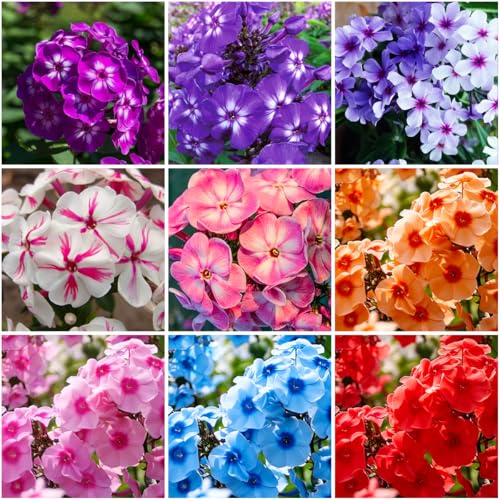
Choose from a rainbow of colors to match your garden's palette. Here are some favorite cultivars:
- 'Candy Stripe' – pink with white stripes
- 'Emerald Blue' – soft lavender-blue
- 'Red Wings' – vibrant rose-red
- 'White Delight' – pure white, brilliant in shade
- 'Fort Hill' – deep pink, vigorous grower
- 'Snowflake' – white with a subtle pink center
Design Ideas for Creeping Phlox
Creeping phlox is a versatile plant that works beautifully in many garden settings. Use it to soften rock walls, cascade over retaining walls, or create a colorful edge along pathways. Its low, spreading habit makes it an excellent choice for shade garden design ideas and sunny slopes where grass struggles. Pair it with other spring bloomers like tulips, daffodils, or bleeding heart for a layered effect. For a pollinator-friendly garden, combine it with plants that attract pollinators to create a buzzing, vibrant ecosystem.
Ready to add creeping phlox to your garden?
Find the best varieties, planting tools, and care supplies – all hand-picked to help you succeed.
SHOP CREEPING PHLOX ESSENTIALS