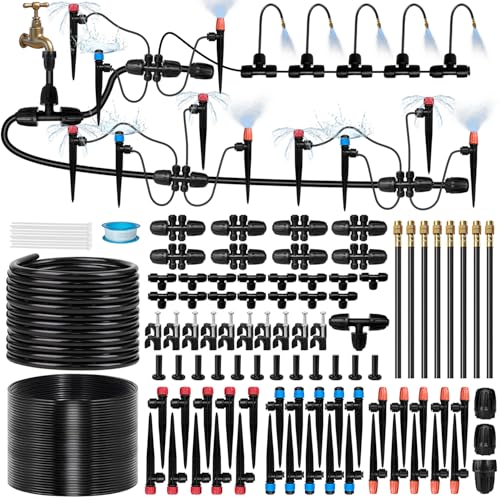
What Is a Drip Irrigation System?
A drip irrigation system — also called micro-irrigation or trickle irrigation — is a low-pressure watering network that delivers water slowly and directly to the root zone of plants. Instead of spraying water into the air like a sprinkler, drip systems release water through emitters, drip lines, or soaker hoses at a controlled rate, typically measured in gallons per hour. Because the water lands exactly where roots need it, very little is lost to evaporation, wind drift, or runoff.
Drip irrigation has become the gold standard for water-conscious gardeners, commercial growers, and anyone who wants consistent moisture without constant hand watering. Whether you are managing a few containers on a patio or a full vegetable plot, a well-designed drip system adapts to your layout. For gardeners working with compact growing spaces, a gravity-fed drip irrigation system for raised beds offers an especially accessible entry point because it relies on a simple elevated reservoir rather than household water pressure.
How a Drip Irrigation System Works
Every drip system follows the same basic flow: water enters from a hose bib, rain barrel, or pump, passes through a filter and pressure regulator, travels through mainline tubing, and then branches into drip lines or emitters positioned at each plant. The emitters control the flow rate so water seeps into the soil gradually, allowing it to penetrate deeply rather than pooling on the surface.
This slow delivery is the key advantage. Because water moves downward and outward through capillary action, roots grow deeper and more evenly. Soil stays consistently moist but not waterlogged, which reduces stress on plants and lowers the risk of fungal diseases that thrive in wet foliage. If you are planning a broader watering strategy for your property, pairing drip lines with well-placed garden sprinklers for lawn areas creates a complete, zone-based irrigation plan.
Key Components of a Drip Irrigation System
A reliable drip system is more than tubing. Each component plays a specific role in keeping water flowing evenly and protecting the system from clogs and pressure problems. Here are the core parts:
Water Source & Timer
A hose bib, rain barrel, or pump supplies water. A battery or electric timer automates watering schedules, which is one of the biggest labor-saving benefits of drip irrigation.
Filter
Filters trap sediment, rust, and organic debris before they reach the emitters. A clogged emitter stops watering entirely, so the filter is arguably the most important protective component.
Pressure Regulator
Drip systems operate at low pressure, typically around 15 to 30 psi. A regulator prevents household water pressure from blowing fittings apart or forcing uneven flow.
Mainline Tubing
The backbone of the system, usually half-inch poly tubing, carries water from the source to the garden zones.
Drip Lines & Emitters
These deliver water to plants. Inline drip tubing has built-in emitters at set spacing, while individual emitters can be punched into blank tubing for precise placement.
Fittings & Connectors
Barbed tees, elbows, couplers, and end caps let you build a custom layout. Pressure-compensating fittings help maintain even flow across long runs.
Types of Drip Irrigation Systems
Drip systems come in several configurations, and the right choice depends on your garden size, water source, and budget tier. Understanding the differences helps you avoid overbuilding or underbuilding your setup.
1. Gravity-Fed Drip Systems
These systems use an elevated reservoir, such as a rain barrel or tank, to create water pressure through gravity alone. They are budget-friendly, require no electricity, and are ideal for small gardens and raised beds. The trade-off is lower and less consistent pressure, so they work best with short runs and low-flow emitters. Many entry-level gardeners start here before expanding.
2. Hose-End Drip Kits
Hose-end kits connect directly to a standard outdoor faucet and include a timer, filter, regulator, and pre-cut drip tubing. They are mid-tier in terms of complexity and cost, and they suit patios, small beds, and container groupings. These kits are popular because they require no permanent installation.
3. Inline Drip Tubing Systems
Inline tubing has emitters manufactured into the line at fixed intervals — commonly 6, 12, or 18 inches. This is the workhorse of vegetable gardens and landscape beds because it lays out quickly and waters evenly along a row. Mid-range and premium inline tubing often includes pressure-compensating emitters that maintain consistent output regardless of elevation changes.
4. Individual Emitter Systems
For precise placement — such as around individual shrubs, trees, or widely spaced plants — blank tubing with punch-in emitters gives you full control. This approach is common in landscape installations and orchard rows. It requires slightly more planning but offers the greatest flexibility.
5. Soaker Hoses
Soaker hoses are porous tubes that weep water along their entire length. They are the most budget-friendly option and are simple to deploy, but they offer less control over flow rate and are prone to uneven watering on long runs. They work best as a temporary or supplemental solution rather than a permanent system.
Drip Irrigation vs. Other Watering Methods
The table below summarizes how drip irrigation compares with common alternatives. The differences are especially important for gardeners focused on water conservation and plant health.
| Method | Water Efficiency | Weed Reduction | Setup Complexity | Best For |
|---|---|---|---|---|
| Drip Irrigation | High — water goes to roots | High — dry soil between rows | Moderate | Beds, rows, containers, orchards |
| Sprinklers | Low to moderate — evaporation and runoff | Low — widespread moisture | Low | Lawns and large open areas |
| Hand Watering | Moderate — depends on technique | Moderate | None | Small containers and spot watering |
| Soaker Hoses | Moderate — uneven on long runs | Moderate | Low | Temporary beds and tight budgets |
Planning Your Drip Irrigation Layout
Before buying components, sketch your garden and divide it into watering zones. A zone is a group of plants with similar water needs that will run on the same valve or timer program. Grouping thirsty vegetables separately from drought-tolerant herbs prevents overwatering and underwatering at the same time.
Measure the length of each run and count the emitters. Most half-inch drip lines can handle roughly 200 to 400 feet of run depending on flow rate and pressure, so long gardens may need multiple zones or a pressure-compensating design. Account for elevation changes — water pressure drops as lines climb, which is why pressure-compensating emitters are valuable on sloped properties. For sites with significant grade changes, it is worth reviewing drainage solutions alongside your irrigation plan, since water management and drainage are closely linked.
Choosing Emitter Spacing and Flow Rate
Emitter spacing should match your plant spacing. Closely planted vegetables such as lettuce or carrots benefit from 6- to 12-inch inline spacing, while tomatoes and peppers do well with 12- to 18-inch spacing or individual emitters. Flow rates typically range from 0.5 to 2 gallons per hour. Sandy soils drain quickly and may need higher-flow emitters or shorter, more frequent cycles; clay soils absorb slowly and favor lower flow rates with longer run times.
Installation: A Step-by-Step Overview
Installing a drip system is a manageable weekend project for most homeowners. The general sequence is:
- Step 1 — Connect the water source: Attach the timer, backflow preventer, filter, and pressure regulator to the faucet or reservoir outlet.
- Step 2 — Lay the mainline: Run half-inch tubing from the source along the edge of your beds, securing it with stakes.
- Step 3 — Branch into zones: Use tees and couplers to split the mainline into separate drip lines for each bed or plant group.
- Step 4 — Position drip lines: Lay inline tubing along rows or place individual emitters at each plant. Keep emitters 6 to 12 inches from plant stems.
- Step 5 — Flush the system: Before installing end caps, run water through the lines to clear debris.
- Step 6 — Cap and test: Close the ends, run the system, and check for leaks, uneven flow, and clogged emitters. Adjust as needed.
For gardeners building new beds from scratch, combining drip installation with DIY garden beds is an efficient way to get both structure and watering right in one project. If you are also refreshing your planting areas, mulch over drip lines to conserve moisture further and hide the tubing.
Maintenance and Troubleshooting
Drip systems are low-maintenance but not maintenance-free. The most common issues are clogged emitters, leaks at fittings, and uneven pressure. A few habits keep the system running smoothly:
- Flush lines seasonally: Remove end caps and let water run for a few minutes at the start of each growing season to clear sediment.
- Clean the filter regularly: Rinse or replace filter screens monthly during peak use.
- Check emitters: Inspect for slow or stopped flow and replace clogged emitters as needed.
- Winterize in cold climates: Drain lines and store removable components indoors before freezing temperatures arrive.
- Watch for leaks: Walk the system monthly to catch split tubing or loose fittings early.
Investing in a slightly higher-tier filter and pressure regulator at the outset pays off in fewer repairs later. Entry-level kits often include basic components that work well for small setups, while mid-range and premium systems add durability and pressure compensation for larger or more complex gardens.
Watering Schedules and Seasonal Adjustments
Drip irrigation works best when paired with a smart schedule. Water deeply and less frequently to encourage deep roots. In spring and fall, one or two weekly cycles may be sufficient; in midsummer, increase frequency while keeping run times long enough to moisten the root zone thoroughly. A battery-operated timer with multiple programs makes seasonal adjustments easy without re-plumbing the system.
Monitor soil moisture by hand — push a finger or trowel into the bed a few hours after a cycle. If the soil is dry two inches down, increase run time. If it is soggy, reduce it. Drip systems give you the control to fine-tune moisture precisely, which is why they pair so well with raised beds and container gardens.
Ready to Build Your Drip Irrigation System?
Browse our curated selection of drip irrigation kits, timers, filters, and emitters below to find the right components for your garden.
VIEW RECOMMENDED PRODUCTSFrequently Asked Questions
What is a drip irrigation system and how does it work?
A drip irrigation system is a water-efficient watering method that delivers water directly to plant roots through a network of tubing, emitters, and drip lines. Water flows slowly and precisely to the root zone, minimizing evaporation, runoff, and weed growth compared to sprinklers or hand watering.
Is a drip irrigation system suitable for raised beds?
Yes, drip irrigation is ideal for raised beds. A gravity-fed drip irrigation system for raised beds is especially popular for beginners because it requires no complex plumbing or electricity. The slow, targeted watering keeps moisture consistent and reduces fungal disease risk.
How much water does a drip irrigation system save?
Drip irrigation typically uses 30 to 50 percent less water than conventional sprinkler systems because it delivers water directly to the root zone with minimal evaporation and runoff. Savings vary based on climate, soil type, and system design.
What maintenance does a drip irrigation system need?
Regular maintenance includes flushing lines at the start of each season, cleaning or replacing clogged emitters, checking for leaks, and winterizing the system in cold climates. A filter at the water source is essential to prevent debris from clogging emitters.
Can I use a drip irrigation system with a rain barrel?
Yes. Gravity-fed systems are commonly paired with rain barrels. Because rain barrels provide low pressure, use low-flow emitters and keep runs relatively short, or add a small pump for larger layouts. A filter is still essential to keep debris out of the emitters.
How do I know which emitter flow rate to choose?
Match the flow rate to your soil and plant needs. Sandy soils drain quickly and benefit from higher-flow emitters or shorter cycles, while clay soils absorb slowly and favor lower flow rates with longer run times. Closely spaced plants generally need more emitters, while widely spaced shrubs and trees do well with individual emitters.