
Raised Bed Gardening: Build, Grow, and Harvest More
Learn everything about raised bed gardening – from building and soil prep to planting, irrigation, and crop rotation. Grow healthier vegetables with less effort and higher yields.
Shop Raised Bed SuppliesWhy Raised Bed Gardening? Raised beds offer better soil drainage, improved soil quality, reduced weed pressure, and easier access for planting and harvesting. Whether you're a beginner or an experienced gardener, raised beds are a smart, sustainable way to grow vegetables and flowers.
6 Key Benefits of Raised Bed Gardening
🌱 Better Soil
Control soil quality with custom mixes. No more fighting poor native soil – build the perfect growing medium from the start.
💧 Improved Drainage
Raised beds prevent waterlogging and allow excess moisture to drain away, reducing root rot and fungal diseases.
🧑🌾 Easy Access
Less bending and kneeling. Raised beds are ergonomic, making gardening more comfortable and accessible for everyone.
🌿 Weed Control
Fewer weeds because the bed is filled with clean soil and mulched. Less time weeding means more time enjoying your garden.
⏰ Extended Season
Soil warms faster in spring, allowing earlier planting. You can also use cold frames or row covers to extend the growing season.
🔄 Crop Rotation
Easy to rotate crops between beds to prevent soil-borne diseases and maintain soil fertility.
🐌 Pest Protection
Elevated beds can be fitted with netting or row covers to protect plants from pests and birds.
🌼 Aesthetics
Raised beds add structure and visual appeal to any garden. They can be built from wood, stone, or metal to match your style.
How to Build a Raised Garden Bed
🪵 Materials & Tools
- Wood: Cedar, redwood, or pressure-treated lumber (4×4 or 2×6 boards). Avoid creosote or railroad ties.
- Hardware: Exterior-grade screws, corner brackets, or landscape spikes.
- Tools: Saw, drill, tape measure, level, and shovel.
- Liner: Landscape fabric to line the bottom (optional, helps prevent weeds).
📐 Step-by-Step
- Step 1: Choose a location with at least 6-8 hours of sunlight.
- Step 2: Determine bed size – 4 feet wide is ideal for easy reach. Length can be any size.
- Step 3: Build the frame by cutting boards to size and securing with screws.
- Step 4: Place the frame on level ground. Remove grass or weeds underneath.
- Step 5: Line the bottom with landscape fabric to suppress weeds.
- Step 6: Fill with a high-quality soil mix (see section below).
- Step 7: Water thoroughly and let settle for a few days before planting.
Best Soil Mix for Raised Bed Gardening
🧪 The Ideal Mix
- 60% Topsoil: Provides structure and minerals.
- 30% Compost: Adds nutrients and organic matter.
- 10% Soilless Mix: Peat moss or coconut coir for moisture retention and aeration.
Mix thoroughly before filling the bed. This blend ensures excellent drainage, nutrient availability, and root growth.
🌱 Soil Amendments
- Worm Castings: Boost microbial activity and nutrient content.
- Perlite or Vermiculite: Improve aeration and drainage.
- Bone Meal: Add phosphorus for root development and flowering.
- Kelp Meal: Provides trace minerals and potassium.
For more guidance, check out our article on best soil for raised bed vegetable garden.
Irrigation & Watering Strategies
💦 Drip Irrigation
- Efficient: Delivers water directly to the root zone, reducing evaporation and waste.
- Easy to Install: Use drip tape or drip tubing with emitters spaced along the bed.
- Timer: Connect to a timer for consistent, automated watering.
Learn more about installing drip irrigation for raised beds in our detailed guide.
🚿 Hand Watering & Soaker Hoses
- Soaker Hoses: Lay soaker hoses along the bed to provide slow, deep watering.
- Watering Cans: Good for small beds or seedlings.
- Mulch: Apply a 2-3 inch layer of straw, grass clippings, or wood chips to conserve moisture.
Water deeply and less frequently to encourage deep root growth. Check soil moisture by feeling the top 2 inches of soil.
Best Vegetables for Raised Beds
🍅 Spring & Summer
- Tomatoes
- Peppers (bell, hot, and sweet)
- Eggplant
- Cucumbers (trellis for vertical growth)
- Squash and Zucchini
- Beans (bush and pole)
🥬 Cool Season
- Lettuce and Greens
- Kale
- Spinach
- Radishes
- Carrots
- Peas (trellis recommended)
🌿 Herbs & Flowers
- Basil, parsley, cilantro, dill
- Marigolds (pest repellent)
- Nasturtiums (edible flowers)
- Calendula (attracts pollinators)
Crop Rotation & Companion Planting
🔄 Crop Rotation
Rotate crops by plant family each year to prevent nutrient depletion and soil-borne diseases. A simple 4-year rotation plan:
- Year 1: Legumes (beans, peas) – fix nitrogen.
- Year 2: Leafy greens and brassicas (lettuce, kale) – heavy nitrogen feeders.
- Year 3: Fruiting plants (tomatoes, peppers) – moderate feeders.
- Year 4: Root crops (carrots, onions) – light feeders.
🌻 Companion Planting
- Tomatoes & Basil: Basil improves tomato flavor and repels pests.
- Carrots & Onions: Onions deter carrot fly and carrot rust fly.
- Marigolds: Plant marigolds throughout the bed to repel nematodes and other pests.
- Beans & Corn: Beans fix nitrogen that corn needs, and corn provides support for beans.
Explore more companion planting combinations for a healthier garden.
Seasonal Care & Maintenance
🌱 Spring
- Top up soil with fresh compost.
- Test soil pH and adjust if needed.
- Plant cool-weather crops early.
- Install drip irrigation or soaker hoses.
☀️ Summer
- Water deeply and consistently.
- Apply mulch to retain moisture and suppress weeds.
- Feed plants with liquid fertilizer every 2-3 weeks.
- Monitor for pests and treat early.
🍂 Fall
- Plant fall crops like kale, lettuce, and radishes.
- Add a layer of compost to replenish nutrients.
- Cover crops like winter rye to protect soil.
❄️ Winter
- Clean up plant debris to prevent disease.
- Add a thick layer of mulch or straw to protect soil.
- Plan next year's crop rotation.
- Consider using cold frames to extend the growing season.
Start Your Raised Bed Garden Today
Raised bed gardening is one of the most rewarding ways to grow vegetables, herbs, and flowers. With better soil, improved drainage, and easier access, you can enjoy higher yields and healthier plants. Whether you're building your first bed or refining your techniques, the right knowledge and tools make all the difference.
Ready to get started? Explore our curated selection of raised bed supplies, soil mixes, and irrigation systems above. With the right products and this comprehensive guide, you'll be harvesting fresh, homegrown produce in no time. Let gardening inspire you to grow more!
Best Raised Bed Gardening Supplies – Soil, Kits & Irrigation
⚠️ AFFILIATE DISCLOSURE: This website contains affiliate links. As an Amazon Associate, we earn from qualifying purchases. If you make a purchase through these links, we may receive a small commission at no additional cost to you. Read our full affiliate policy.

Raised-Bed Gardening for Beginners: Your Guide to Growing Sustainability and Self-Sufficiency
Check price on Amazon
The Complete Beginner's Guide to Raised Bed Gardening: How to Grow More Food in Small Spaces with Container Gardening, Vertical Growing, Smart Irrigation, and Budget Friendly Methods
Check price on Amazon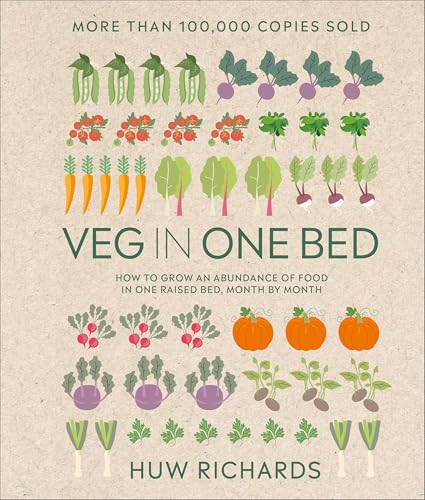
Veg in One Bed New Edition: How to Grow an Abundance of Food in One Raised Bed, Month by Month
Check price on Amazon
The Old Farmer's Almanac Vegetable Gardener’s Handbook: Essential Step-by-Step Advice for Growing Vegetables and Achieving Success
Check price on Amazon
Raised-Bed Gardening for Beginners: The Complete Step-by-Step Guide to Build, Plant, and Grow a Productive Vegetable Garden with Ease
Check price on Amazon
Gardener Scott's Guide to Raised Bed Gardening
Check price on Amazon
All New! Square Foot Gardening, 4th Edition: The World’s Most Popular Growing Method to Harvest MORE Food from Less Space – Urban to Rural–Garden ... Fully Revised & Updated for Today’s Gardener
Check price on Amazon