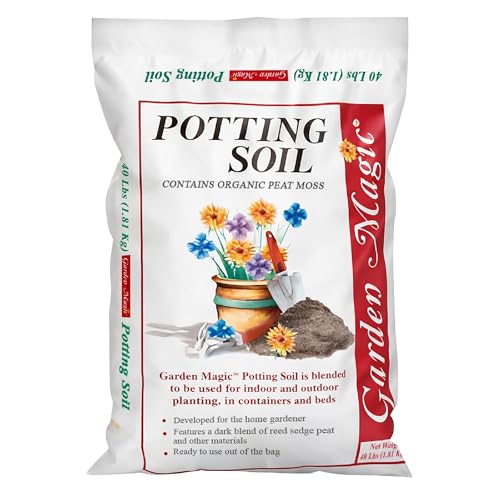
Best Soil for Raised Bed Vegetable Garden
Discover the perfect soil mix for your raised beds to grow healthier, more productive vegetables. Start your garden the right way with our expert guide.
Shop Premium Soil MixesWhy Soil Matters: The foundation of a thriving vegetable garden is healthy soil. In raised beds, you have complete control over the soil composition, which is a huge advantage over in-ground gardening. The right soil mix provides essential nutrients, proper drainage, and optimal root aeration — leading to bigger yields and healthier plants. Whether you're a beginner or an experienced gardener, choosing the best soil for your raised bed is the single most important step you can take.
What Makes the Best Soil for Raised Beds?
The ideal raised bed soil is a balanced blend of three key components: topsoil, compost, and aeration materials (like perlite or coarse sand). This combination ensures good drainage, nutrient retention, and root development. A common and highly effective recipe is the “Mel's Mix” — 1/3 compost, 1/3 peat moss (or coconut coir), and 1/3 vermiculite. However, you can also create a custom mix based on your specific vegetable needs.
For most vegetables, a loamy soil with a pH between 6.0 and 7.0 is ideal. Adding organic matter like well-rotted manure or compost improves fertility and soil structure. If you're growing tomatoes, peppers, or other heavy feeders, consider adding extra compost or a balanced organic fertilizer to your mix.
Essential Components of a Great Soil Mix
1. Compost (Organic Matter)
Compost is the heart of any good soil mix. It provides essential nutrients, improves water retention, and encourages beneficial microbial activity. Use high-quality compost from a trusted source or make your own. Aim for 30–40% of your total mix.
2. Aeration Materials (Perlite / Vermiculite / Sand)
These materials prevent soil compaction and improve drainage. Perlite and vermiculite are lightweight and help retain moisture while allowing excess water to drain. Coarse sand is a more affordable alternative but adds weight.
3. Topsoil or Garden Soil
Topsoil provides the bulk of your mix. Choose a screened, weed-free topsoil that is loamy and free of heavy clay. Avoid cheap fill dirt, which can be compacted and low in nutrients.
4. Additional Amendments
Depending on your vegetables, you may need to adjust pH or add specific nutrients. For example, adding bone meal for phosphorus, blood meal for nitrogen, or lime to raise pH. A soil test can help you fine-tune your mix.
The Perfect Raised Bed Soil Recipe (Custom Mix)
Base Mix (by volume):
- 40% High-Quality Compost – Provides nutrients and organic matter.
- 40% Sifted Topsoil – Gives structure and bulk.
- 20% Perlite or Coarse Sand – Ensures drainage and aeration.
Optional Additions:
- Add 1 cup of balanced organic fertilizer (e.g., 4-4-4) per cubic foot of mix.
- Add 1/2 cup of lime per cubic foot if your soil is acidic.
- Mix in a handful of worm castings for extra microbial life.
This mix works wonderfully for most vegetables, including tomatoes, peppers, leafy greens, and root crops. For best fruits and vegetables, adjust the compost ratio based on the specific crop's needs.
Cost Considerations: How Much Will It Cost?
Building a high-quality soil mix for a raised bed can cost between $50 and $150 per cubic yard, depending on the materials and your location. Buying pre-mixed raised bed soil from a garden center is convenient but often more expensive — expect to pay $8–$15 per cubic foot for premium blends. For a standard 4x8 foot bed (about 8 cubic feet), you might spend $60–$120 for a custom mix versus $100–$200 for a commercial blend.
If you're on a budget, consider composting your own organic matter and sourcing topsoil from a local landscape supplier. You can also buy materials in bulk to save money. Remember, investing in quality soil is an investment in your vegetable garden's success.
How to Fill and Maintain Your Raised Bed Soil
When filling your raised bed, start by laying down a layer of cardboard or landscape fabric to suppress weeds (if the bed is placed on grass). Then, add your soil mix in layers, watering each layer lightly to settle it. Fill the bed to about 1–2 inches below the rim to prevent soil from washing out.
Maintaining soil health is just as important as the initial mix. At the end of each season, add a 1–2 inch layer of compost or aged manure to replenish nutrients. You can also plant cover crops like winter rye or clover to add organic matter and prevent erosion. Regularly check moisture levels and avoid overwatering, which can leach nutrients.
For more tips on maintaining your garden, check out our spring gardening checklist and natural pest control methods.
Ready to Build Your Perfect Soil?
Shop our top-rated raised bed soil mixes, compost, and amendments. Start your vegetable garden the right way.
Shop Soil & Amendments