Natural Pest Control Methods
Protect your garden the eco‑friendly way. Discover proven natural pest control methods that keep your plants healthy without harming beneficial insects, pets, or the environment.
Shop Natural Pest Control Supplies →Let Gardening believes in working with nature, not against it. Natural pest control methods are effective, sustainable, and safe for your family and pollinators. Whether you're dealing with aphids, caterpillars, or fungal issues, there's a natural solution waiting for you.
Why Choose Natural Pest Control?
Chemical pesticides can harm beneficial insects, contaminate soil and water, and even affect human health. Natural methods target pests specifically, preserve biodiversity, and improve soil health. Plus, they're often more cost‑effective in the long run.
By integrating composting and healthy soil practices, you create a resilient garden that naturally resists pests. Healthy plants are less susceptible to infestations – that's the foundation of organic gardening.
Top Natural Pest Control Methods
🌱 Companion Planting
Grow plants that repel pests or attract predators. For example, marigolds deter nematodes, while basil repels thrips and flies. Intercropping with pollinator‑friendly plants also boosts natural pest control.
🐞 Beneficial Insects
Attract or release ladybugs, lacewings, and parasitic wasps. They feed on aphids, whiteflies, and caterpillars. Planting milkweed and other native flowers invites these helpful predators.
🧴 Neem Oil & Sprays
Neem oil disrupts insect life cycles and acts as a fungicide. Mix with water and a mild soap for a safe, effective spray. Also try garlic or chili pepper sprays for a homemade deterrent.
🌿 Diatomaceous Earth
This fine powder dehydrates soft‑bodied insects like slugs, snails, and ants. Apply around plant bases or on foliage – it's safe for pets and people when used as directed.
🪱 Soil Health & Crop Rotation
Healthy soil produces strong plants. Rotate crops each season to break pest cycles. Add compost and organic matter to encourage beneficial soil organisms that keep harmful pests in check.
💧 Water & Mulch Management
Over‑watering attracts fungus gnats and root rot. Use drip irrigation and mulch to retain moisture and suppress weeds – a key step in drip irrigation planning for a pest‑resistant garden.
Practical Tips for a Pest‑Free Garden
- Inspect regularly: Check undersides of leaves and stems weekly to catch infestations early.
- Encourage birds: Install bird feeders or baths – birds eat many garden pests.
- Use physical barriers: Row covers, netting, and copper tape around pots protect against insects and slugs.
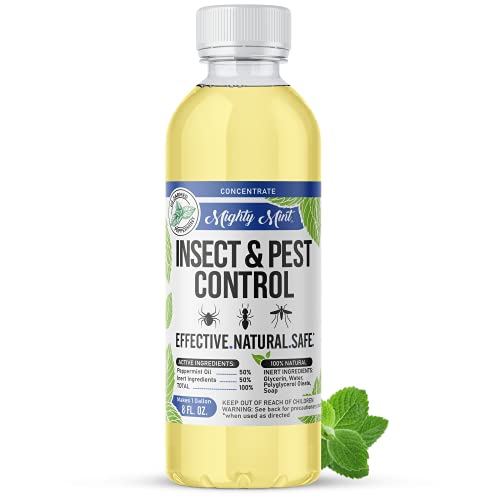
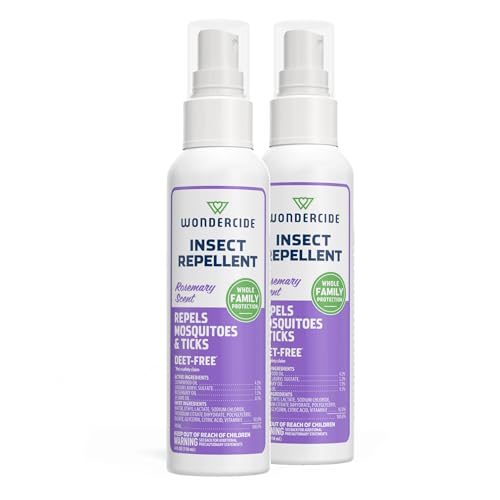
- Make your own spray: Blend 1 tablespoon of mild soap with 1 quart of water and a few drops of essential oil (peppermint or rosemary) for a gentle insecticide.
- Attract beneficial wasps: Plant dill, fennel, and yarrow – they attract parasitic wasps that control caterpillar populations.
When to Choose Natural Pest Control
For most home gardens, natural methods are sufficient. Use them preventively and as a first response. If an infestation is severe, combine methods – e.g., introduce beneficial insects alongside neem oil. Avoid broad‑spectrum synthetic pesticides unless absolutely necessary, and always follow label instructions.
Natural pest control is also a key element of spring gardening and year‑round garden health. By building a balanced ecosystem, you reduce the need for interventions over time.
Ready to go natural? Explore our recommended organic pest control products – from neem oil to beneficial insect houses – and start protecting your garden the sustainable way.