Milkweed Plant: The Essential Guide for Monarch Butterflies
Discover everything you need to know about growing milkweed — the critical host plant for Monarch butterflies. Learn about varieties, planting, care, and how to create a thriving pollinator garden.
Shop Milkweed Plants & SuppliesWhy Milkweed Matters
Milkweed (Asclepias) is more than just a plant — it's the cornerstone of the Monarch butterfly's survival. As the sole host plant for Monarch caterpillars, milkweed plays an irreplaceable role in their life cycle. Without milkweed, Monarchs cannot reproduce. With habitat loss threatening butterfly populations, planting milkweed in your garden is a powerful act of conservation.
But milkweed isn't just for butterflies. It's a beautiful, hardy native plant with fragrant flowers that attract a wide range of pollinators, including bees, hummingbirds, and other beneficial insects. Whether you're a seasoned gardener or just starting out, growing milkweed is a rewarding and impactful addition to any landscape.
Before you plant, it's important to understand the different types of milkweed, their growing requirements, and how to maintain them for maximum benefit. This guide covers everything you need to know to successfully grow milkweed and support pollinators in your area.
Popular Milkweed Varieties
There are over 100 species of milkweed native to North America. Choosing the right variety for your region is key to success. Here are some of the most popular and widely adaptable types:
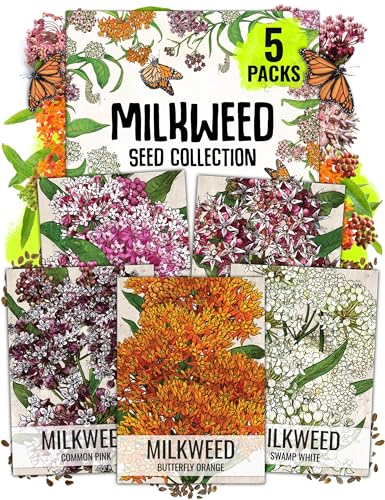
Common Milkweed (Asclepias syriaca)
Hardy and widespread, this variety has large pink-purple flower clusters and broad leaves. It spreads via rhizomes, making it excellent for naturalizing large areas.
Butterfly Weed (Asclepias tuberosa)
With stunning orange flowers, butterfly weed is a compact, clump-forming variety. It's drought-tolerant and well-behaved, ideal for garden beds and borders.
Swamp Milkweed (Asclepias incarnata)
Thrives in moist soils with pink to mauve flowers. It's a favorite for rain gardens and pond edges, and it attracts Monarchs and many other pollinators.
Tropical Milkweed (Asclepias curassavica)
Bright red and yellow flowers make this an attractive ornamental. However, it's not native to most of the US and can interfere with Monarch migration in warmer climates. Use with caution or as an annual.
When selecting milkweed, always prioritize native varieties for your region. Native plants are better adapted to local conditions and provide the most benefit to local pollinators. Check with your local extension office or native plant society for recommendations.
How to Plant and Care for Milkweed
Milkweed is relatively easy to grow, but it does have specific needs to thrive and support Monarchs. Follow these guidelines for a healthy, productive milkweed patch.
Planting Milkweed
- Sunlight: Most milkweed varieties prefer full sun (6+ hours per day). Some, like swamp milkweed, can tolerate partial shade.
- Soil: Well-draining soil is essential. Milkweed is not picky about soil fertility but avoids heavy, waterlogged clay.
- Seed Germination: Many milkweed seeds require cold stratification (30-60 days of moist cold) to break dormancy. Sow seeds in fall for natural stratification, or simulate this in your refrigerator.
- Planting Time: Spring, after the last frost, is ideal for planting seedlings or stratified seeds. Space plants 12-24 inches apart depending on the variety.
Milkweed Care Tips
- Watering: Water regularly during the first growing season to establish deep roots. Once established, milkweed is drought-tolerant.
- Fertilizing: Milkweed doesn't need heavy feeding. A light application of compost in spring is sufficient.
- Pruning: Cut back dead stems in late winter or early spring to encourage new growth. Some gardeners also cut back tropical milkweed in summer to prevent it from blooming too late in the season, which can interfere with Monarch migration.
- Pest & Disease: Milkweed is generally pest-resistant. However, you may encounter aphids or milkweed beetles. Most can be left alone or gently washed off with water, as they are part of the ecosystem.
Benefits of Milkweed in Your Garden
Planting milkweed offers multiple benefits for both the environment and your garden. Here's why you should consider adding it:
- Critical Monarch Habitat: Milkweed is the only plant Monarch caterpillars can eat. By planting it, you directly support their survival.
- Pollinator Magnet: Milkweed flowers produce nectar that attracts a wide range of pollinators, including native bees, honeybees, and hummingbirds.
- Low Maintenance: Once established, milkweed is hardy and requires minimal care. It's a great choice for beginner gardeners or low-water landscapes.
- Natural Beauty: With fragrant flowers in shades of pink, orange, white, and purple, milkweed adds color and texture to any garden.
- Educational Value: Observing the Monarch life cycle up close is a fascinating experience for gardeners of all ages.
Frequently Asked Questions
Is milkweed poisonous?
Yes, milkweed contains cardiac glycosides that are toxic to most animals. However, Monarch caterpillars have evolved to tolerate these toxins, which then make them distasteful to predators. Always exercise caution if you have pets that may chew on plants.
Will milkweed take over my garden?
Common milkweed can spread aggressively through underground rhizomes. To control it, plant it in contained areas or choose clump-forming varieties like butterfly weed or swamp milkweed.
When is the best time to plant milkweed?
Spring is the best time to plant milkweed seedlings after the danger of frost has passed. You can also sow seeds directly in the fall to allow for natural cold stratification over the winter.
Can I grow milkweed in a container?
Yes, many milkweed varieties grow well in containers, especially butterfly weed and swamp milkweed. Use a pot with good drainage and provide plenty of sunlight.
Join the Milkweed Movement
Monarch butterfly populations have declined by more than 80% in recent decades due to habitat loss and pesticide use. By planting milkweed, you become part of a nationwide effort to restore critical habitat. Every plant counts, and together we can help bring Monarchs back.
Start your own milkweed garden today. Whether you have a large yard, a small balcony, or a community garden plot, milkweed can find a place to grow and thrive.
Ready to Grow Milkweed?
Shop our recommended milkweed seeds, plants, and gardening supplies to start your pollinator garden. Every purchase supports conservation efforts.
Explore Products & Supplies