Companion Planting Vegetables: The Complete Guide to Perfect Plant Partnerships
Discover which vegetables thrive together, boost each other's growth, deter pests naturally, and maximize your garden's potential with proven companion planting strategies.
VIEW COMPANION CHARTCompanion planting vegetables is one of the most effective natural gardening techniques you can implement. By strategically placing compatible plants together, you create a self-sustaining ecosystem that deters pests, attracts beneficial insects, improves soil health, and maximizes space. Whether you're planning your first raised bed garden or revamping an existing plot, understanding which vegetables make the best neighbors can transform your harvest.
Why Companion Planting Works
Companion planting leverages the natural relationships between plants to create mutually beneficial growing conditions. Here's what it does for your garden:
- Natural Pest Control: Certain plants repel harmful insects while attracting predatory beneficial insects that feed on common garden pests.
- Improved Pollination: Flowering companions draw bees, butterflies, and other pollinators essential for fruit set in crops like squash and cucumbers.
- Enhanced Flavor & Growth: Some plant combinations actually improve the taste and growth rate of their neighbors through root interactions and soil enhancement.
- Space Maximization: Tall plants provide shade for heat-sensitive crops, while sprawling ground covers suppress weeds and retain moisture.
- Soil Health: Nitrogen-fixing plants like beans enrich the soil naturally, reducing the need for synthetic fertilizers.
Quick Companion Planting Reference
🍅 Tomatoes
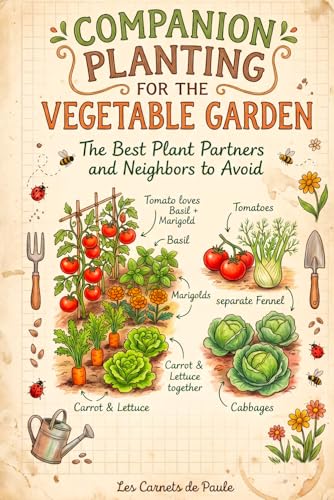
Best Friends: Basil, marigolds, carrots, onions, garlic
Avoid: Fennel, corn, potatoes, brassicas
Why: Basil repels tomato hornworms and improves flavor; marigolds deter nematodes.
🥒 Cucumbers
Best Friends: Beans, peas, radishes, dill, sunflowers
Avoid: Potatoes, aromatic herbs like sage
Why: Beans fix nitrogen for hungry cucumber vines; radishes deter cucumber beetles.
🥕 Carrots
Best Friends: Onions, leeks, rosemary, sage, tomatoes
Avoid: Dill, parsnips
Why: Onions mask carrot scent from carrot fly; tomatoes provide partial shade in hot climates.
🌶️ Peppers
Best Friends: Basil, oregano, carrots, onions
Avoid: Fennel, kohlrabi, apricot trees nearby
Why: Basil and oregano repel aphids and spider mites with their strong essential oils.
🥬 Lettuce & Greens
Best Friends: Carrots, radishes, strawberries, cucumbers
Avoid: Celery, parsley
Why: Tall cucumbers provide cooling shade that prevents lettuce from bolting early.
🧅 Onions & Garlic
Best Friends: Carrots, tomatoes, lettuce, chamomile
Avoid: Beans, peas, sage, asparagus
Why: Alliums release compounds that deter aphids, Japanese beetles, and carrot flies.
🌽 Corn
Best Friends: Beans, squash, pumpkins, peas, potatoes
Avoid: Tomatoes, celery
Why: The classic "Three Sisters" method pairs corn with beans and squash for mutual benefit.
🥔 Potatoes
Best Friends: Beans, corn, cabbage, marigolds, horseradish
Avoid: Tomatoes, cucumbers, sunflowers, raspberries
Why: Beans repel Colorado potato beetles; marigolds suppress harmful soil nematodes.
🌽🫘🎃 The Three Sisters: Nature's Perfect Trio
The Three Sisters planting method, developed by Native American communities centuries ago, remains one of the most brilliant examples of companion planting vegetables. This system pairs three crops that work together perfectly:
- Corn provides a natural trellis for climbing beans to ascend.
- Beans fix nitrogen in the soil, feeding both the corn and squash with essential nutrients.
- Squash spreads across the ground with large leaves that shade the soil, suppress weeds, and retain moisture.
To implement this in your garden, create mounds of soil about 18 inches in diameter. Plant 4-5 corn seeds in the center. Once the corn reaches 6 inches tall, plant 4 bean seeds around each corn stalk. A week later, plant 2-3 squash or pumpkin seeds at the outer edges of each mound. This technique works beautifully in square foot gardening setups as well.
Complete Companion Planting Vegetables Chart
| Vegetable | Best Companions | Plants to Avoid | Key Benefits |
|---|---|---|---|
| Asparagus | Tomatoes, parsley, basil, marigolds | Onions, garlic, potatoes | Tomatoes repel asparagus beetles; parsley improves vigor |
| Beans (Bush & Pole) | Corn, squash, cucumbers, potatoes, marigolds, summer savory | Onions, garlic, fennel, gladiolus | Summer savory repels bean beetles; beans fix nitrogen |
| Beets | Bush beans, lettuce, onions, garlic, kohlrabi | Pole beans, field mustard | Lettuce and beets have different root depths, sharing space efficiently |
| Broccoli & Brassicas | Dill, celery, chamomile, sage, rosemary, beets, onions | Tomatoes, peppers, eggplant, strawberries | Dill attracts beneficial wasps that control cabbage worms |
| Cabbage | Dill, celery, chamomile, sage, thyme, onions, potatoes | Tomatoes, peppers, strawberries, pole beans | Chamomile improves cabbage flavor; thyme deters cabbage worms |
| Carrots | Onions, leeks, rosemary, sage, chives, lettuce, tomatoes | Dill, parsnips, celery | Onions and leeks repel carrot fly; rosemary deters carrot rust fly |
| Corn | Beans, squash, pumpkins, peas, potatoes, sunflowers | Tomatoes, celery | Beans provide nitrogen; squash acts as living mulch |
| Cucumbers | Beans, peas, radishes, dill, sunflowers, nasturtiums, corn | Potatoes, aromatic herbs like sage | Radishes deter cucumber beetles; nasturtiums repel squash bugs |
| Eggplant | Beans, peppers, marigolds, thyme, spinach | Fennel, potatoes | Beans improve eggplant vigor; marigolds deter nematodes |
| Lettuce | Carrots, radishes, strawberries, cucumbers, onions, beets | Celery, cabbage, parsley | Carrots and lettuce share root zones efficiently without competition |
| Onions & Garlic | Carrots, tomatoes, lettuce, strawberries, chamomile, beets | Beans, peas, sage, asparagus | Alliums deter aphids, Japanese beetles, and other common pests |
| Peas | Carrots, turnips, radishes, cucumbers, corn, beans | Onions, garlic, gladiolus, potatoes | Peas fix nitrogen for heavy-feeding neighbors |
| Peppers | Basil, oregano, carrots, onions, tomatoes, okra | Fennel, kohlrabi, apricot trees | Basil repels aphids and spider mites; oregano improves pepper flavor |
| Potatoes | Beans, corn, cabbage, marigolds, horseradish, eggplant | Tomatoes, cucumbers, squash, sunflowers, raspberries | Beans repel Colorado potato beetles; horseradish increases disease resistance |
| Radishes | Cucumbers, squash, melons, peas, nasturtiums, lettuce | Hyssop, grapes | Radishes act as trap crops for flea beetles away from other vegetables |
| Spinach | Strawberries, peas, beans, cabbage family, cauliflower | Potatoes | Spinach and strawberries have compatible root systems; peas provide shade |
| Squash & Zucchini | Corn, beans, nasturtiums, marigolds, radishes, oregano | Potatoes, aromatic herbs | Nasturtiums repel squash bugs and beetles; beans fix nitrogen |
| Tomatoes | Basil, marigolds, carrots, onions, garlic, parsley, borage | Fennel, corn, potatoes, brassicas, dill (mature) | Basil repels tomato hornworms and whiteflies; borage attracts pollinators |
Best Flowers for Vegetable Garden Companions
Integrating flowers into your vegetable garden isn't just about aesthetics—it's a strategic move for pest management and pollination. These flowering plants are essential allies:
Top 10 Flowers for Companion Planting
- Marigolds: The ultimate companion flower. Their roots release thiopenes that repel nematodes, while the flowers deter whiteflies, aphids, and many beetles. Plant them throughout your garden, especially near tomatoes, peppers, and potatoes.
- Nasturtiums: Act as a trap crop for aphids and squash bugs. Plant near cucumbers, squash, and brassicas to draw pests away from your vegetables.
- Calendula (Pot Marigold): Attracts beneficial insects like ladybugs and hoverflies. Excellent companion for asparagus and tomatoes.
- Borage: A powerhouse for attracting bees and predatory insects. Plant near tomatoes, squash, and strawberries to improve pollination and fruit set.
- Sunflowers: Provide shade for lettuce and spinach, attract pollinators, and serve as a trellis for climbing beans.
- Cosmos: Attract parasitic wasps that prey on tomato hornworms and cabbage worms. Plant near brassicas and tomatoes.
- Sweet Alyssum: A low-growing ground cover that attracts hoverflies whose larvae devour aphids. Perfect between rows of lettuce and greens.
- Lavender: Repels moths, fleas, and whiteflies. Excellent near cabbage family plants and fruit trees.
- Chamomile: Known as the "plant doctor"—improves the health and flavor of nearby vegetables, especially cabbage and onions.
- Zinnias: Attract a wide range of pollinators and beneficial predatory insects. Plant near beans, cucumbers, and tomatoes.
Companion Planting for Specific Goals
For Natural Pest Control
If your primary goal is reducing pest pressure without chemical sprays, focus on these powerful combinations. The natural pest control approach works by either masking the scent of target crops or attracting beneficial predators. Plant dill near your cabbage and broccoli to control cabbage worms, or place basil throughout your tomato beds to ward off hornworms and whiteflies. For comprehensive protection, consider integrating insectary plants like sweet alyssum and cosmos that provide habitat for ladybugs and lacewings throughout the growing season.
For Maximum Yield in Small Spaces
When garden space is limited, companion planting becomes even more valuable. The key is combining plants with different growth habits and root depths. Pair shallow-rooted lettuce with deeper-rooted carrots, or train pole beans up corn stalks while bush beans occupy the ground level. This vertical layering approach, combined with succession planting techniques, can triple your harvest from the same square footage.
For Improved Soil Fertility
Instead of relying entirely on commercial fertilizers, use companion relationships to build soil health naturally. Legumes like beans and peas fix atmospheric nitrogen through root nodules, making it available to neighboring heavy feeders like corn and squash. Deep-rooted plants like comfrey and borage mine minerals from the subsoil, bringing them to the surface where other plants can access them. When these plants decompose, they create nutrient-rich organic matter that improves soil structure and fertility for seasons to come.
Common Companion Planting Mistakes to Avoid
Even experienced gardeners can fall into these traps when planning companion arrangements:
7 Companion Planting Pitfalls
- Overcrowding: Even compatible plants need adequate spacing. Follow recommended spacing guidelines even when interplanting.
- Ignoring Allelopathy: Some plants like fennel and black walnut trees release chemicals that inhibit growth of nearby plants. Keep fennel isolated or in containers.
- Not Rotating Crops: Companion planting doesn't replace the need for crop rotation. Don't plant the same families in the same spot year after year.
- Watering Inconsistency: Different companions may have different water needs. Group plants with similar moisture requirements together.
- Forgetting About Shade: Tall companions can shade out sun-loving vegetables if not positioned carefully. Place tall crops on the north side of garden beds.
- Timing Mismatches: Planting companions at the wrong time reduces their effectiveness. Use seed starting schedules to synchronize plantings.
- Assuming All Herbs Are Good Companions: While many herbs are beneficial, aggressive spreaders like mint can overtake garden beds. Always plant mint in containers.
How to Create Your Companion Planting Plan
Ready to transform your vegetable garden with companion planting? Start with a simple garden map. Draw out your beds and list the vegetables you want to grow most. For each vegetable, identify 2-3 beneficial companions using the chart above. Pay attention to mature plant heights—position tall companions where they won't shade shorter sun-loving plants. If you're working with raised beds, you have the advantage of defined growing areas that make interplanting easier to manage.
Begin with just 2-3 companion pairs your first season rather than attempting to integrate every possible combination. Master proven partnerships like tomatoes with basil or beans with corn before expanding. Keep notes on what works in your specific climate and microclimate. Garden conditions vary dramatically, and the best companion planting guide is your own garden journal tracking successes and failures throughout the growing season. For comprehensive garden planning, consider using square foot gardening templates that make spacing calculations effortless.