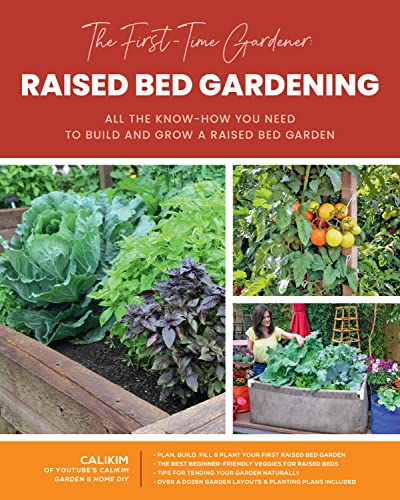
First Garden Plans: Your Complete Beginner's Guide
Starting your first garden is an exciting journey. Let us guide you through every step — from choosing the perfect spot to harvesting your first homegrown vegetables. Whether you dream of a lush vegetable patch, a vibrant flower border, or a combination of both, these first garden plans will set you up for success.
Start Your Garden PlanCreating your first garden plans can feel overwhelming with so many options available. Where should you place your garden? What should you grow? How do you prepare the soil? This comprehensive guide breaks down everything you need to know to design and build a thriving garden from scratch. By following these proven steps, you'll avoid common beginner mistakes and enjoy a bountiful harvest in your very first season.
💡 Quick Start Tip: The best first garden plans start small. A 4×8-foot raised bed or a 10×10-foot in-ground plot is plenty of space to grow 8–10 different vegetables or a beautiful mix of flowers and herbs. Focus on quality over quantity, and you'll be amazed at what you can achieve.
Step 1: Choose the Right Location
Before you dig a single hole, take time to observe your yard. The success of your first garden plans depends heavily on choosing the right spot. Most vegetables and flowers need at least 6–8 hours of direct sunlight daily. Walk around your property at different times of day to see where the sun hits and where shadows fall.
- Sunlight: Full sun is ideal for tomatoes, peppers, squash, and most flowering plants. Partial shade works for leafy greens, herbs, and some perennials.
- Water Access: Your garden should be within reach of a garden hose or watering system. Carrying water buckets gets old quickly!
- Good Drainage: Avoid low spots where water pools after rain. Most plants dislike wet feet and may develop root rot.
- Proximity to House: A garden near your back door is easier to maintain and more likely to get regular attention.
If you're planning a raised bed garden, you have more flexibility since you can build them anywhere with good sunlight, including on patios or decks.
Step 2: Select Your Plants Wisely
One of the most exciting parts of first garden plans is choosing what to grow. For beginners, the golden rule is to start with easy, high-yield crops that are forgiving of minor mistakes. Consider these beginner-friendly plants:
🥕 Vegetables
Tomatoes (cherry or determinate), peppers (bell or hot), lettuce, green beans, zucchini, radishes, and carrots. These are reliable, produce abundantly, and are widely available as seedlings at garden centers.
🌿 Herbs & Flowers
Basil, parsley, mint (plant in a pot), marigolds (great for pest control), sunflowers, and zinnias. Herbs are compact and can be grown in containers or along the edges of your vegetable beds.
Consider your family's eating habits. If you don't eat zucchini, don't plant it! Focus on crops you'll actually enjoy harvesting and cooking. And remember — you can always expand in future seasons. For detailed growing instructions, check out our tomato growing guide and pepper growing guide.
🌱 Pro Tip: Start with seedlings (starter plants) from a local nursery rather than seeds. This gives you a several-week head start and eliminates the frustration of seed germination failures. Save seed starting for your second or third season!
Step 3: Create Your Garden Layout
Your first garden plans should include a simple layout sketch. This doesn't need to be fancy — just a rough drawing on paper showing where each plant will go. Proper spacing is critical: overcrowded plants compete for nutrients, water, and light, leading to poor yields and disease problems.
- Row Gardening: Traditional rows work well for larger plots. Leave 18–24 inches between rows for walking access.
- Raised Beds: These are ideal for beginners. A 4×4 or 4×8-foot bed allows you to reach the center from all sides without stepping on the soil.
- Square Foot Gardening: This method divides beds into 1-foot squares, each planted with a different crop. It's highly efficient and easy to manage.
- Companion Planting: Place plants that benefit each other nearby. For example, tomatoes and basil are natural companions, and marigolds help repel pests from your entire vegetable patch.
When planning your layout, consider the mature size of each plant. A tomato plant can grow 4–6 feet tall and spread 2–3 feet wide, while lettuce stays compact. Place taller plants on the north side of the bed so they don't shade shorter crops.
For more inspiration, explore our raised bed plans and DIY garden bed ideas.
Step 4: Prepare Your Garden Soil
Healthy soil is the foundation of any successful garden. Your first garden plans should allocate time and budget for soil improvement. Most garden soils benefit from added organic matter to improve drainage, fertility, and soil structure.
- For In-Ground Gardens: Remove grass and weeds, then dig or till the soil to a depth of 8–12 inches. Mix in 2–3 inches of compost or well-rotted manure.
- For Raised Beds: Fill with a 50/50 blend of topsoil and compost, or use a premium raised bed soil mix from your garden center.
- Soil Testing: Consider a basic soil test from your local extension office to check pH and nutrient levels. Most vegetables prefer a pH between 6.0 and 7.0.
- Mulching: After planting, add a 2-inch layer of mulch (straw, wood chips, or shredded leaves) to conserve moisture and suppress weeds.
Good soil preparation pays dividends all season long. If you're interested in sustainable practices, explore our compost bin guide to create your own nutrient-rich soil amendment.
⏰ Timing Matter: Start preparing your soil about 2–3 weeks before your planned planting date. This gives the organic matter time to settle and nutrients to integrate. For spring gardens, prepare beds as soon as the soil can be worked — usually 4–6 weeks after the last frost date.
Step 5: Gather Essential Gardening Tools
You don't need a shed full of expensive equipment to start your first garden. A few high-quality basic tools will handle 90% of your gardening tasks. Here's what every beginner should have:
For more detailed recommendations, visit our garden tools section where we review top brands like Fiskars, Corona, and Radius Garden. Quality tools last years and make gardening more enjoyable.
Step 6: Planting and Watering Techniques
Once your soil is prepared and your tools are ready, it's time to plant! Follow these guidelines for a strong start:
- Planting Depth: Plant seedlings at the same depth they were in their nursery containers. Tomatoes can be planted deeper — roots will grow from the buried stem for stronger plants.
- Watering Schedule: Water deeply and less frequently. Aim for 1 inch of water per week, either from rain or manual watering. A drip irrigation system can save time and water while keeping foliage dry.
- Morning Watering: Water early in the day so leaves have time to dry before night, reducing fungal disease risk.
- Fertilizing: Apply a balanced organic fertilizer (like 5-5-5) according to package directions. Avoid over-fertilizing, which can burn plants and reduce fruiting.
Consistent watering is especially important during the first few weeks after planting while roots establish. For more specific guidance, check out our complete watering guide.
Step 7: Ongoing Care and Harvesting
The final piece of your first garden plans is a maintenance routine. A little regular attention prevents big problems down the road:
- Weed Control: Spend 5–10 minutes each day pulling weeds while they're small. A layer of mulch reduces weeding by 80%.
- Pest Monitoring: Check plants regularly for signs of pests or disease. Early detection means easier solutions. Many pests can be controlled with insecticidal soap or companion plants like marigolds.
- Support Stakes and Cages: Install tomato cages, trellises, or stakes while plants are small to avoid damaging mature root systems.
- Harvest Often: Regular harvesting encourages more production. Pick vegetables at their peak ripeness for the best flavor and texture.
As your garden grows, you'll naturally learn what works best in your specific conditions. For advanced techniques like companion planting flowers and organic gardening, explore our in-depth guides.
🎯 Success Metric: A well-planned first garden can produce 50–100 pounds of vegetables in a single season from a 100-square-foot plot. Imagine the satisfaction of serving a meal entirely from your own garden!
Common First Garden Mistakes to Avoid
Even experienced gardeners make mistakes, but you can skip many of them by learning from others. Here are the most common pitfalls in first garden plans:
- Overplanting: Starting too many plants leads to overcrowding and disappointment. Stick with 3–5 different vegetables.
- Neglecting Soil Health: Soil is your most valuable resource. Always add compost and organic matter before planting.
- Inconsistent Watering: Underwatering stresses plants; overwatering promotes disease. Find a consistent routine.
- Forgetting to Thin Seedlings: Crowded seedlings compete for resources. Thin them to recommended spacing early.
- Ignoring Frost Dates: Planting too early or too late can kill young plants. Know your area's average last frost date.
- Not Harvesting Timely: Overripe vegetables can attract pests and stop production. Check your garden daily during peak season.
For a deeper dive, read our article on common gardening mistakes and how to fix them.
Seasonal Planning for Your First Garden
Your first garden plans should align with the growing seasons in your region. Here's a general timeline for temperate climates:
- Spring (March–May): Prepare beds, plant cool-weather crops like lettuce, peas, and potatoes. Start warm-weather seeds indoors.
- Summer (June–August): Plant tomatoes, peppers, squash, and beans. Focus on consistent watering and pest control.
- Fall (September–November): Plant a second round of lettuce and greens. Harvest remaining crops and prepare beds for winter.
- Winter (December–February): Plan your spring garden, order seeds, and build any new infrastructure like raised beds or trellises.
Explore our seasonal gardening checklist for month-by-month tasks to keep your garden thriving year-round.
Ready to Start Your Garden?
Explore our curated selection of gardening tools, soil amendments, and supplies to make your first garden plans a reality. Everything you need to grow, nurture, and harvest with confidence.
Shop Garden Essentials