Gardening Tool Reviews & Buying Guide
Choosing the right gardening tools can make the difference between back-breaking work and effortless planting. This guide breaks down every tool category, compares entry-level, mid-range, and premium options, and explains exactly what to look for before you buy.
Explore Tool CategoriesWhy this guide exists: Most gardeners buy tools reactively — a trowel here, a pruner there — without a system. The result is a shed full of mismatched gear that fails when it matters most. Whether you are outfitting a first apartment balcony or maintaining a half-acre landscape, the goal is the same: match tool quality to actual use, invest in the categories that matter most, and avoid overpaying for features you will never touch.
Understanding Tool Quality Tiers
Throughout this guide, tools are classified into three universal tiers. This system reflects relative market position and construction quality — not price — so it stays useful regardless of inflation, sales, or regional availability.
Occasional Use
Lighter materials, simpler mechanisms, and basic grips. Suitable for container gardens, balcony planters, and light seasonal work. Expect a service life of a few seasons with proper care.
Regular Use
Hardened steel, smoother pivots, and ergonomic handles. Ideal for raised beds, backyard vegetable plots, and weekly maintenance. Mid-range tools typically last many seasons and are the sweet spot for most home gardeners.
Frequent & Heavy Use
Forged metals, precision joints, replaceable parts, and lifetime-oriented builds. Premium and high-end tools are built for large properties, professional-level maintenance, and gardeners who use tools daily.
A common mistake is buying premium tools in every category. Most gardeners only need one or two premium pieces — typically pruning shears and a primary digging tool — while entry-level or mid-range options work perfectly for rarely used items. This tiered approach keeps your tool investment proportional to actual wear.
The Six Core Tool Categories
Every garden tool falls into one of six functional groups. Understanding the role of each category helps you prioritize where to spend and where to save.
- Hand Tools Trowels, hand forks, weeders, and kneelers for planting, weeding, and soil work. These are your most-used tools and deserve careful selection. If you are expanding your beds, see our guide to DIY garden beds for tools that pair with raised planting.
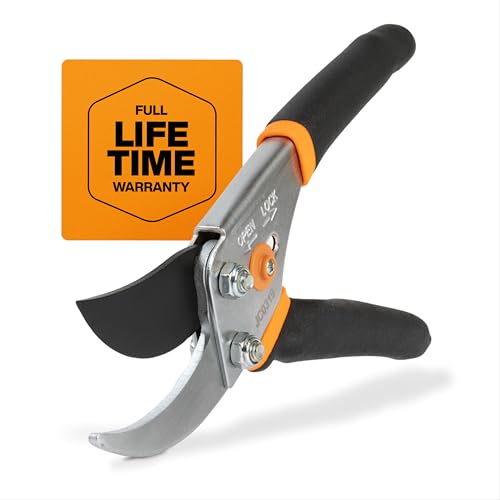
- Cutting & Pruning Tools Pruning shears, loppers, and hedge trimmers for shaping plants and maintaining shrubs. Sharpness and pivot smoothness matter more here than in any other category. Proper cuts keep shrubs like evergreen shrubs healthy and dense.
- Power Tools Mowers, string trimmers, leaf blowers, and tillers that handle large-scale maintenance. Choose between cordless, corded, and gas depending on property size — our cordless vs gas comparison breaks down the trade-offs.
- Watering Tools Hoses, watering cans, sprinklers, and rain barrels that deliver moisture efficiently. Consistent watering is the single biggest factor in plant health, which is why tools in this category deserve more attention than they usually get. For automated coverage, explore drip irrigation options.
- Soil & Compost Tools Compost bins, tumblers, soil testers, and wheelbarrows that build and move healthy soil. Composting tools turn garden waste into black gold and reduce fertilizer needs. See our overview of compost bins and compost tumblers for the main styles.
- Tool Care & Storage Sharpeners, oils, storage racks, and sheds that extend tool life. A mid-range tool that is cleaned and sharpened regularly will outlast a neglected premium tool. Browse brand comparisons when evaluating long-term durability.
How to Choose Tools for Your Garden Size
Tool choice should follow garden scale, not the other way around. A gardener with three containers needs a very different kit than someone managing raised beds or a full landscape.
| Garden Size | Recommended Tier Focus | Priority Categories | Typical Tool Count |
|---|---|---|---|
| Balcony / containers | Entry-level hand tools, mid-range watering | Hand tools, watering | 5–7 pieces |
| Small raised beds | Mid-range hand tools, entry-level power | Hand tools, cutting, soil | 8–12 pieces |
| Backyard vegetable garden | Mid-range core, one or two premium pieces | Hand tools, cutting, watering, compost | 12–18 pieces |
| Large landscaped property | Premium cutting and digging, mid-range power | All six categories | 20+ pieces |
If you are outfitting a garden from scratch, start with hand tools and watering — the categories you will touch every week. Add power tools and compost equipment only once the garden scale justifies them. Gardeners who garden on a tighter budget should prioritize a few quality pieces over a large set of entry-level tools; see our budget-friendly tools guide for that strategy.
Materials That Matter: Steel, Handles, and Grips
Two tools can look identical on a shelf and perform completely differently after one season. The difference almost always comes down to steel grade, handle construction, and grip design.
Steel and Blade Construction
Entry-level tools typically use stamped steel, which is thinner and loses its edge quickly. Mid-range tools use hardened or carbon steel that holds an edge through a full season. Premium tools use forged steel — shaped under heat and pressure — which is denser, resists bending, and can be sharpened repeatedly without losing mass. For cutting tools especially, forged blades are the single clearest upgrade you can make.
Handles and Grips
Ash and hickory handles remain the gold standard for digging tools because they absorb shock and flex slightly under load. Fiberglass handles are lighter and weather-resistant, making them a strong mid-range choice. Plastic handles are common on entry-level tools and are fine for light work, but they crack under heavy levering. Ergonomic grips with a textured surface reduce hand fatigue during long sessions — a feature worth prioritizing if you garden for hours at a time.
Quick Check Before Buying
Hold the tool in your hand. The grip should feel balanced, not tip-heavy. Check the joint on any moving part — a smooth pivot with no wobble signals better manufacturing. For cutting tools, confirm the blade is replaceable or sharpenable; sealed, non-serviceable blades are a sign of entry-level construction.
Cordless, Corded, or Gas: Matching Power Source to Task
Power source is the biggest decision in the power tool category, and it has less to do with brand than with the size and layout of your property.
Cordless electric tools dominate the residential market because they are quiet, lightweight, and need almost no maintenance beyond battery care. They suit small to medium lawns and light trimming. The main limitation is runtime — larger properties may require extra batteries or a second tool in the same battery platform. Our electric lawn mower guide covers what to expect from cordless mowers in practice.
Corded electric tools deliver constant power without battery concerns but limit mobility. They make sense for fixed-location work like hedge trimming near an outlet, or for gardeners who prefer not to manage batteries at all.
Gas-powered tools remain the choice for large properties where extended runtime and raw cutting power matter more than noise, fumes, and maintenance. Gas tools require fuel management, including stabilizer treatment for seasonal storage, and regular engine servicing. Gardeners weighing the trade-offs should start with our cordless vs gas comparison before committing to a platform.
Whatever the power source, buying into a single battery platform across multiple tools is one of the smartest long-term decisions a gardener can make. Shared batteries reduce cost, clutter, and charger sprawl. Before buying your first cordless tool, check what other tools the brand offers in the same battery system.
Common Buying Mistakes to Avoid
Most tool regret comes from a handful of predictable mistakes. Avoiding these saves both money and shed space.
Buying a full set of entry-level tools. Sets look efficient, but the individual tools are usually the weakest version of each category. A smaller collection of mid-range tools outperforms a large set of entry-level ones within a single season.
Overspending on rarely used tools. A premium tiller or chainsaw only makes sense if you will use it regularly. For occasional jobs, a mid-range tool or even a rental is the smarter path.
Ignoring battery platform lock-in. Cordless tools tie you to a battery system. Choosing a platform with a limited tool range means starting over if you later want a matching trimmer or blower.
Neglecting tool care. The most common reason tools fail early is not poor manufacturing — it is rust, dull edges, and dried sap. A sharpener, a rag, and a bottle of oil cost very little and extend the life of every tool you own. Our guide to brand comparisons is useful for evaluating which manufacturers support long-term service and replacement parts.
Finally, avoid buying tools for a garden you do not have yet. Outfit the garden in front of you, then add tools as it grows. This keeps your kit proportional and ensures every purchase gets used.
Frequently Asked Questions
What are the essential hand tools every gardener should own?
A trowel, hand fork, pruning shears, weeding tool, and a pair of quality garden gloves form the core hand tool kit. These cover planting, weeding, pruning, and general maintenance for most home gardens.
Should I choose cordless or gas-powered garden tools?
Cordless electric tools suit most residential gardens because they are quieter, lighter, and require less maintenance. Gas-powered tools make sense for larger properties where extended runtime and raw power matter more than noise and upkeep.
How do I maintain my garden tools so they last longer?
Clean soil and sap off after each use, dry thoroughly, sharpen cutting edges regularly, oil metal surfaces to prevent rust, and store tools in a dry shed or rack. Proper care can double or triple the working life of mid-range and premium tools.
What is the difference between entry-level and premium garden tools?
Entry-level tools use lighter materials and simpler mechanisms, making them suitable for occasional use. Mid-range tools add better steel, ergonomic grips, and smoother pivots. Premium and high-end tools use forged metals, precision manufacturing, and replaceable parts for decades of heavy use.
Ready to Build Your Tool Kit?
Start with the categories you use most, match quality tiers to your garden scale, and invest in care tools from day one. The recommended tools below reflect this tiered approach and cover the categories that matter most for home gardeners.
See Recommended Tools