Electric Lawn Mowers: The Complete Guide to Choosing the Right One
Quiet, clean, and low-maintenance — electric lawn mowers are transforming how homeowners care for their lawns. Learn how to pick the right model for your yard, understand the differences between corded, cordless, and self-propelled options, and make a confident buying decision.
START THE BUYING GUIDEWhy electric mowers matter: Electric mowers eliminate fuel handling, reduce noise, and require far less maintenance than gas-powered alternatives. Whether you have a small suburban yard or a larger property, there is a model tailored to your needs — from entry-level corded units to premium self-propelled battery mowers. This guide walks you through every consideration so you can buy with confidence.
Types of Electric Lawn Mowers
Corded Electric Mowers
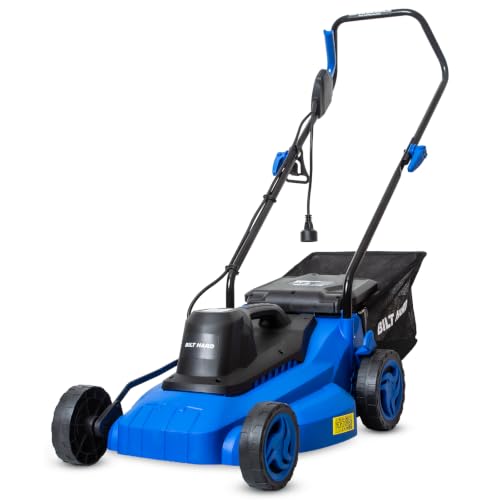
Corded models plug into a standard outlet and deliver consistent power without battery limitations. They are the most budget-friendly option and ideal for small to medium lawns where an extension cord can comfortably reach. Because there is no battery to recharge or replace, corded mowers are the simplest to own and maintain.
Pros
- Consistent, uninterrupted power
- Lightweight and easy to maneuver
- Entry-level pricing tier
- No battery maintenance
Cons
- Cord limits reach and mobility
- Requires managing the cord while mowing
- Not suitable for large or complex lawns
Cordless Battery Mowers
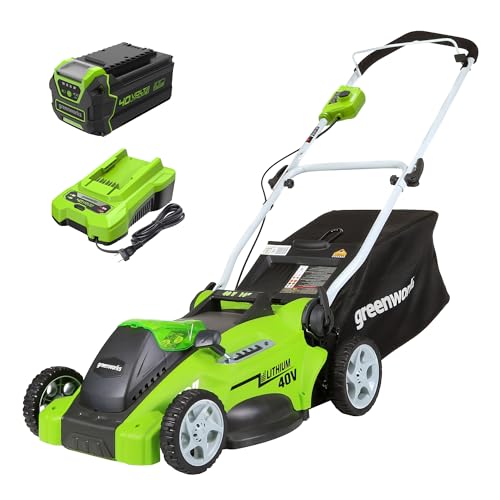
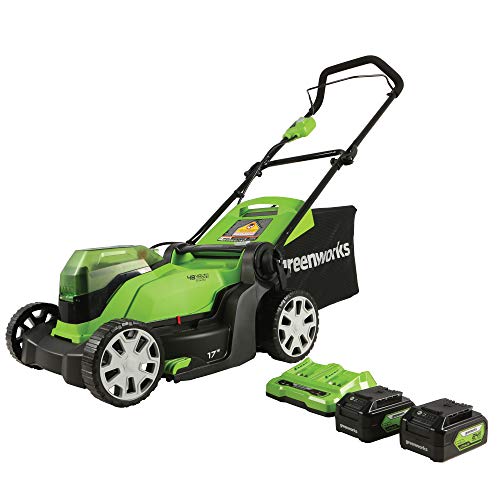
Cordless mowers run on rechargeable lithium-ion batteries, offering freedom of movement and clean operation. Advances in battery technology have made modern cordless models surprisingly powerful. Most mid-range and premium models use brushless motors for greater efficiency and longer runtime, and many share batteries across a brand's tool ecosystem.
Pros
- No cord to manage
- Zero emissions and quiet operation
- Easy to store and transport
- Compatible with brand battery ecosystems
Cons
- Runtime limited by battery capacity
- Battery replacement adds long-term cost
- Premium models carry a higher tier price
Self-Propelled Electric Mowers
Self-propelled models drive themselves forward, reducing the physical effort required to push across uneven or sloped terrain. These are well suited to larger lawns and homeowners who prefer minimal strain. Most premium electric self-propelled mowers feature variable speed control and rear-wheel drive for better traction.
If you are specifically comparing cordless self-propelled options, see our detailed guide on cordless self-propelled lawn mowers with battery and charger and the cordless electric self-propelled mower reviews for a side-by-side look at what top models offer.
Comparing Electric Mower Types
| Feature | Corded | Cordless Battery | Self-Propelled |
|---|---|---|---|
| Power Source | Extension cord | Rechargeable battery | Rechargeable battery |
| Best For | Small to medium lawns | Medium lawns, mobility | Large or sloped lawns |
| Mobility | Limited by cord | Unlimited within battery range | Unlimited within battery range |
| Maintenance | Minimal | Minimal (battery care) | Minimal (battery care) |
| Typical Tier | Entry-level | Mid-range to Premium | Premium |
Key Factors When Choosing an Electric Mower
Lawn Size and Terrain
Match the mower to your yard. A compact lawn under a quarter acre is well served by an entry-level corded or lightweight cordless mower. Half an acre or more calls for a mid-range or premium cordless model with a larger battery. Sloped or uneven ground is best handled by a self-propelled unit with good traction.
Voltage and Power
Higher voltage generally means more cutting power and longer runtime. Entry-level cordless models typically run at lower voltage, while premium brushless models operate at higher voltage for demanding conditions. If your grass is thick or your lawn is large, prioritize voltage and brushless motor design. For a focused look at cordless models, see our guide on cordless electric lawn mowers and cordless electric push mowers.
Cutting Width and Deck Material
Cutting width determines how quickly you can cover ground. A narrow deck is easier to maneuver around tight borders and garden beds, while a wider deck reduces mowing time on open lawns. Steel decks tend to be more durable and resist impact better than plastic decks, which are lighter but more prone to cracking over time.
Battery Runtime and Charging
Runtime is one of the most important specifications for cordless mowers. Most batteries provide enough power for a typical suburban lawn on a single charge, but larger properties may require a spare battery or a model with a higher-capacity pack. Fast-charging technology has improved significantly, with premium models charging in under an hour.
Mulching, Bagging, and Side Discharge
Most electric mowers offer mulching capability, which returns fine clippings to the lawn as natural fertilizer. Bagging is useful for collecting clippings and leaves, and side discharge helps with taller grass. Look for a model that supports all three modes if you want maximum flexibility throughout the season.
Electric vs. Gas Mowers: A Quick Comparison
Electric mowers are quieter, produce zero emissions, and require no fuel, oil changes, or spark plugs. They start instantly with the push of a button. Gas mowers, by contrast, offer longer uninterrupted runtime and are traditionally more powerful for very large properties, but they demand regular maintenance and produce exhaust fumes and noise.
For most residential lawns, electric mowers now deliver sufficient power with far less hassle. If you are weighing the trade-offs in more depth, our cordless vs. gas comparison breaks down the practical differences. You can also explore budget-friendly tools and brand comparisons to see how specific manufacturers stack up.
Maintaining Your Electric Lawn Mower
Electric mowers are low-maintenance, but a few simple habits extend their lifespan. Clean the underside of the deck after each mowing session to prevent grass buildup, which can affect airflow and motor performance. Sharpen the blade at the start of each season and inspect it for nicks. For cordless models, store batteries at room temperature and avoid leaving them fully depleted for long periods.
If you run into issues, finding reliable lawn mower repair near you is straightforward, though most electric mower problems can be resolved with basic maintenance. For broader lawn care support, consider environmentally friendly lawn care services that align with the eco-friendly advantages of electric mowing.
Frequently Asked Questions
Are electric lawn mowers powerful enough for thick grass?
Modern high-end electric mowers deliver enough torque to handle thick grass, though entry-level models may struggle with overgrown lawns. For dense or tall grass, choose a premium brushless model with high voltage and consider cutting in stages rather than all at once.
How long do electric lawn mower batteries last?
A typical battery lasts 30 to 60 minutes per charge, depending on voltage, grass conditions, and mowing speed. Premium batteries often provide longer runtime and faster charging. For larger lawns, keeping a spare battery on hand is a practical solution.
Do electric mowers require less maintenance than gas mowers?
Yes. Electric mowers have fewer moving parts, no oil changes, no spark plugs, and no fuel system to maintain. Routine care mostly involves cleaning the deck and sharpening the blade. Battery care is the main additional consideration for cordless models.
Can I use an electric mower on wet grass?
It is generally not recommended. Wet grass clumps and clogs the deck, and it can create a slipping hazard. For safety and cut quality, mow when the grass is dry.
What is the difference between brushed and brushless motors?
Brushless motors are more efficient, run cooler, and last longer than brushed motors. They are typically found in mid-range and premium electric mowers and deliver better performance under load. Brushed motors are common in entry-level models.