Electric Lawn Mower Cordless: The Complete Buyer's Guide
Everything you need to know before choosing a battery-powered lawn mower — runtime, cutting power, self-propulsion, maintenance, and the features that actually matter for a tidy, healthy lawn.
EXPLORE TOP CORDLESS MOWERS
Why cordless electric mowers are taking over: No fuel, no pull cords, no exhaust fumes, and far less noise. A modern electric lawn mower cordless delivers clean, push-button starts and dependable cutting power for most residential lawns. This guide breaks down what to look for so you can buy with confidence.
What Is a Cordless Electric Lawn Mower?
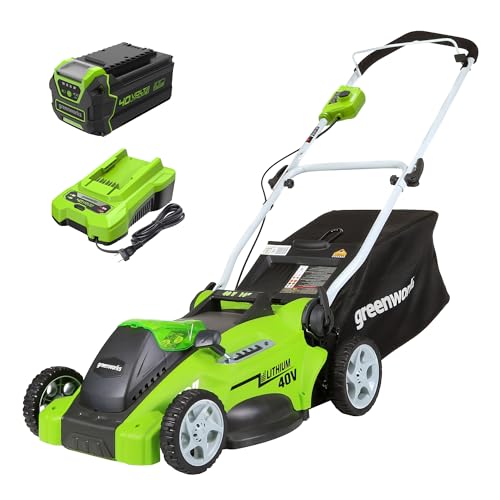
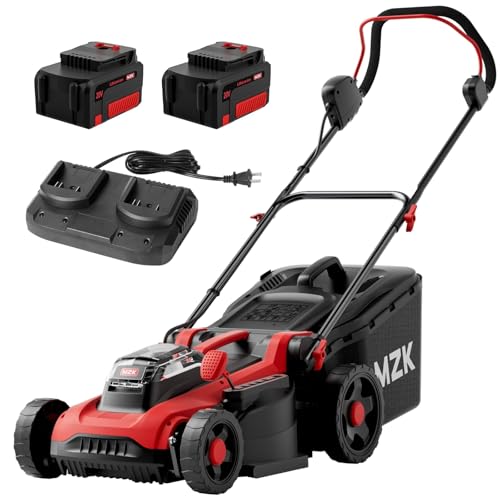
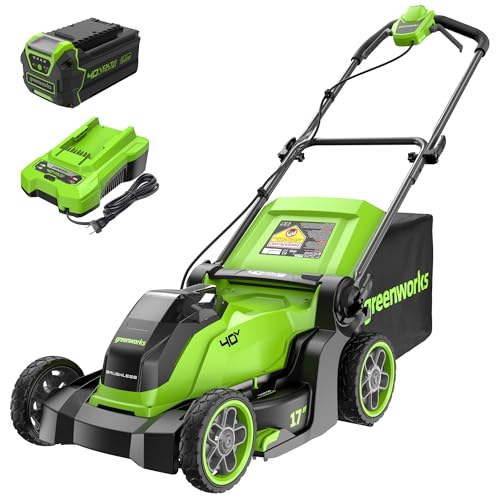
A cordless electric mower runs on a rechargeable lithium-ion battery pack instead of gasoline or a power cord. The battery drives a brushless electric motor that spins the cutting blade. Because there is no cord, you can maneuver freely around trees, flower beds, and tight corners — and there is no fuel to store or spill.
These mowers fall into a few clear categories. Push mowers are the lightest and simplest choice for small, flat yards. Self-propelled models drive themselves forward, which reduces fatigue on slopes and larger lots. Within each category, you will find entry-level, mid-range, and premium tiers that differ mainly in motor quality, battery platform, deck size, and build materials. If you are comparing drive systems in general, our guide on cordless vs. gas mowers is a useful companion read.
Key Features That Define a Good Cordless Mower
Battery Voltage & Capacity
Higher-voltage platforms (typically 56V to 80V) deliver more torque and longer runtime. A mid-range pack usually covers a third to half an acre; premium packs push further.
Brushless Motor
Brushless motors run cooler, last longer, and convert more battery energy into cutting power. They are standard on mid-range and high-end models.
Deck Size & Material
A 20- to 22-inch deck suits most residential lawns. Steel decks resist impact; composite decks are lighter and never rust.
Cutting Height Adjustment
Single-lever adjustment across six or more positions lets you tune cut height quickly for seasonal grass growth.
Self-Propulsion
Variable-speed drive systems make sloped or large yards far easier to manage. Rear-wheel drive typically offers better traction.
Battery Ecosystem
Buying into a shared battery platform lets you use the same packs across a trimmer, blower, and mower — a major long-term convenience.
Runtime and Cutting Performance Explained
Battery runtime is the number one question buyers ask — and the honest answer is that it depends on conditions. Grass density, cutting height, deck size, self-propulsion, and even ambient temperature all affect how long a charge lasts. As a rule of thumb:
- Entry-level models typically run 20 to 30 minutes per charge — enough for a small, flat yard.
- Mid-range models usually deliver 35 to 50 minutes, covering most suburban lawns in one pass.
- Premium self-propelled models with high-capacity packs can exceed 60 minutes.
Cutting performance matters just as much as runtime. Brushless motors in the mid-range tier and above maintain blade speed under load, so they mulch and side-discharge thick grass without bogging down. The golden rule: never remove more than one-third of the grass blade in a single pass. Mowing regularly keeps the motor unstressed and the lawn healthier.
If your yard is sloped or unusually large, a cordless self-propelled mower with battery and charger is the more comfortable choice. For straightforward, level lawns, a lighter electric push mower cordless model keeps things simple and maneuverable.
Cordless Mower Tiers at a Glance
| Feature |
Entry-Level |
Mid-Range |
Premium |
| Motor type |
Brushed |
Brushless |
Brushless, high-torque |
| Typical runtime |
20–30 minutes |
35–50 minutes |
60+ minutes |
| Deck material |
Composite |
Composite or steel |
Steel or reinforced composite |
| Self-propulsion |
Rare |
Common |
Variable-speed drive |
| Battery ecosystem |
Limited |
Shared platform |
Full platform with fast charger |
| Best for |
Small, flat yards |
Average suburban lawns |
Large or sloped properties |
Maintenance: What You Actually Need to Do
One of the strongest arguments for going cordless is low maintenance. There is no oil to change, no spark plug to replace, no air filter to clean, and no fuel to stabilize. That said, a few simple habits keep the mower cutting cleanly for years:
- Clean the deck after each mowing session to prevent grass buildup and rust.
- Sharpen or replace the blade once or twice per season — a dull blade tears grass and stresses the motor.
- Store the battery indoors during freezing or extreme heat, and charge it to roughly half capacity for long storage.
- Check the battery contacts periodically and keep them dry and debris-free.
Routine lawn tasks still apply regardless of mower type. Keeping on top of dethatching and crabgrass control keeps the lawn uniform, which in turn lets any mower cut more evenly and efficiently.
Who Should Choose a Cordless Electric Mower?
A cordless electric mower is an excellent fit for most homeowners, but it shines brightest in specific situations:
- Small to medium lawns — up to roughly half an acre on a single charge with a mid-range model.
- Noise-sensitive neighborhoods — electric mowers run far quieter than gas models, making early-morning mowing friendlier.
- Homeowners who dislike engine maintenance — push-button starts and no fuel handling are a major convenience.
- Anyone with a shared battery platform — if you already own cordless tools from a major brand, staying in that ecosystem saves money.
If you have a very large property or routinely mow tall, overgrown grass, a self-propelled high-voltage model — or a second battery — is worth considering. Our cordless self-propelled mower reviews cover the drive systems in more depth.
Frequently Asked Questions
How long does a cordless electric lawn mower battery last?
Most mid-range and premium cordless mowers run between 30 and 60 minutes per charge, depending on grass density, cutting height, and whether the mower is self-propelled. Entry-level models typically last 20 to 30 minutes. An interchangeable battery system lets you swap in a fresh pack to finish larger lawns.
Is a cordless electric mower powerful enough for thick grass?
Modern brushless motors in mid-range and high-end cordless mowers deliver torque comparable to many gas models. They handle thick, tall grass well when you mow regularly and avoid cutting more than one-third of the blade height at a time. For overgrown lots, choose a self-propelled model with a high-voltage battery platform.
Do cordless electric mowers require maintenance?
Cordless electric mowers need far less maintenance than gas models. There is no oil change, no spark plug, and no fuel stabilizer to manage. Routine care involves sharpening or replacing the blade, cleaning the deck after each use, checking battery contacts, and storing the battery indoors during extreme temperatures.
What size yard can a cordless electric mower handle?
Entry-level cordless mowers suit small yards up to about a quarter acre. Mid-range models with a higher-capacity battery comfortably cover a third to half an acre. For lots larger than half an acre, choose a premium self-propelled model with a high-voltage battery, or buy a second battery to extend runtime.
Are cordless electric mowers quieter than gas mowers?
Yes. Cordless electric mowers typically operate around 75 to 85 decibels, while gas mowers often exceed 95 decibels. This makes electric mowers a better choice for early-morning mowing and for neighborhoods with noise restrictions.
Ready to Make the Switch?
Browse our hand-picked selection of cordless electric lawn mowers below. Each model is chosen for reliability, cutting performance, and long-term value across the entry-level, mid-range, and premium tiers.
SEE RECOMMENDED CORDLESS MOWERS