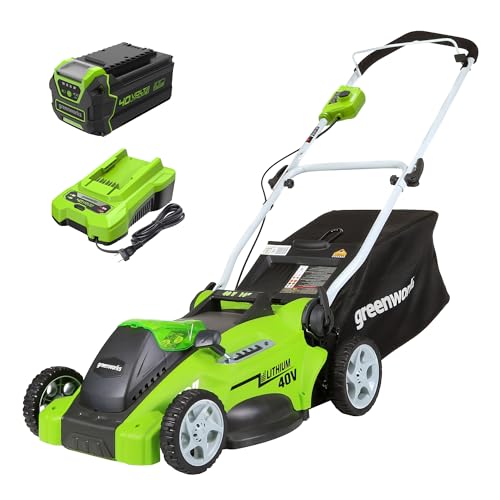
Cordless Electric Self Propelled Lawn Mower Reviews
Cutting the cord does not mean cutting corners. This in-depth guide reviews cordless electric self propelled lawn mowers across every quality tier, explains what actually matters in real-world mowing, and helps you choose the right model for your lawn size, terrain, and budget tier.
See Top Recommended ModelsWhy Cordless Self Propelled Mowers Are Winning Over Homeowners
Cordless electric self propelled lawn mowers have moved from novelty to mainstream for one simple reason: they remove the two biggest friction points of lawn care. There is no pull cord, no fuel can, no oil change, and no exhaust smell. You press a button, engage the drive, and mow. For homeowners who want a reliable weekly cut without the maintenance ritual of a gas engine, this category has become the default recommendation.
The self-propelled feature is what separates a pleasant mowing session from a workout. On flat, small lawns a push mower is fine, but once you deal with slopes, thick growth, or a lawn that takes more than twenty minutes, drive assist saves real energy. Modern brushless motors deliver torque that would have been unthinkable in early battery mowers, and rear-wheel drive systems now handle modest inclines confidently.
If you are still weighing the fundamental trade-off between battery and fuel, our comparison of cordless vs gas tools breaks down runtime, maintenance, noise, and long-term ownership in detail. For readers specifically shopping the self-propelled cordless category, the rest of this guide focuses on what to look for and which tiers deliver the best experience.
It is also worth noting that cordless mowers pair naturally with the rest of a battery-powered tool ecosystem. Many brands share batteries across trimmers, blowers, and chainsaws, so a single investment in batteries can power an entire shed. If you already own a cordless leaf blower vacuum with battery and charger from a major brand, checking whether that same battery platform offers a self-propelled mower is often the smartest move.
Key Specs That Actually Matter in Real-World Mowing
Spec sheets can be misleading. A number on a box rarely tells you how a mower feels on a wet Tuesday afternoon. Here are the specs that genuinely change the ownership experience, and how to interpret them.
Battery Voltage and Capacity
Voltage is a rough proxy for power, but capacity (amp-hours) determines runtime. A high-voltage pack with modest capacity can deliver strong cutting but short sessions. For self-propelled mowers, look for systems designed specifically for the drive motor, not just the blade. Mid-range models typically ship with two batteries or a larger single pack, while entry-level units often rely on a single compact battery that covers a small lawn.
Drive System: Front-Wheel vs Rear-Wheel
Front-wheel drive is lighter, more maneuverable, and better on flat ground. Rear-wheel drive puts weight over the drive wheels, which translates to noticeably better traction on slopes and in thick grass. If your lawn has any incline, rear-wheel drive is worth prioritizing. Premium models often refine the drive with variable speed control, letting you match pace to conditions.
Cutting Deck Width and Material
A wider deck means fewer passes and faster completion, but it also adds weight and makes tight corners harder. Steel decks resist impact but can rust if neglected; composite and polymer decks are lighter and rust-proof but can crack under heavy abuse. For most residential lawns, a mid-width deck is the sweet spot between speed and maneuverability.
Cut Height Adjustment
Single-lever height adjustment across the full range is a convenience feature that sounds minor until you have to fiddle with four separate wheel levers. Mid-range and premium mowers almost always offer centralized adjustment, and it makes seasonal height changes far less tedious.
Mulching, Bagging, and Side Discharge
Three-in-one capability is common, but performance varies. Good mulching requires a well-designed deck and a sharp blade. If you plan to mulch clippings back into the lawn, prioritize models with strong mulching reviews rather than treating it as a checkbox feature.
Entry-Level vs Mid-Range vs Premium: What Each Tier Delivers
Rather than chase model numbers that change every season, it helps to understand the three quality tiers that define this category. The descriptors below are relative market positions, not absolute prices, and they stay useful even as specific models are replaced.
Entry-Level Cordless Self Propelled Mowers Entry-Level
Entry-level models are the accessible gateway into cordless self-propelled mowing. They typically feature a single compact battery, a lighter polymer deck, and a basic front-wheel drive system. Runtime is suited to small, flat lawns, and the drive assist is helpful but not particularly refined.
- Best for small, flat lawns and light weekly growth
- Single battery, shorter runtime, often a slower charger
- Basic drive engagement, usually front-wheel
- Lighter build, easier to store and maneuver
If your lawn is modest and your primary goal is to escape gas maintenance without overcommitting, an entry-level unit is a rational starting point. Just temper expectations around runtime and slope handling.
Mid-Range Cordless Self Propelled Mowers Mid-Range
Mid-range is where the category hits its stride. These models usually offer rear-wheel drive, brushless motors, a larger battery or dual-battery setup, and centralized cut height adjustment. Build quality improves noticeably, and runtime becomes practical for medium lawns.
- Rear-wheel drive with better traction on slopes
- Brushless motor for efficiency and longevity
- Larger battery or dual-battery configuration
- Single-lever height adjustment and improved mulching
For most homeowners with a typical suburban lawn and at least one slope, the mid-range tier is the sweet spot. The jump in capability from entry-level is significant, and the refinements directly affect weekly usability.
Premium Cordless Self Propelled Mowers Premium
Premium models target larger properties and demanding terrain. Expect variable-speed drive, robust steel or reinforced decks, high-capacity batteries, and often smart features such as app connectivity or adaptive power modes. These mowers are built to complete large jobs in fewer passes with less fatigue.
- Variable-speed rear-wheel or all-wheel drive
- High-capacity battery systems, sometimes dual or triple packs
- Durable deck materials and reinforced components
- Refined mulching, larger grass bags, and faster charging
Premium is justified when lawn size, terrain, or frequency of use would otherwise make a mid-range model feel strained. It is an investment in comfort and consistency rather than a status purchase.
Side-by-Side Comparison of Quality Tiers
The table below summarizes how the three tiers differ across the features that matter most. Use it as a quick reference when comparing specific models you are considering.
| Feature | Entry-Level | Mid-Range | Premium |
|---|---|---|---|
| Drive system | Basic front-wheel | Rear-wheel, improved traction | Variable-speed rear or all-wheel |
| Motor type | Standard brushed or basic brushless | Brushless | High-efficiency brushless |
| Battery setup | Single compact pack | Larger single or dual pack | High-capacity, often dual or triple |
| Runtime (relative) | Small lawn | Medium lawn | Large lawn |
| Deck material | Polymer or light steel | Steel or reinforced composite | Heavy-gauge steel or premium composite |
| Cut height adjustment | Individual levers | Centralized single-lever | Centralized with fine increments |
| Mulching quality | Basic | Good | Excellent |
| Best for | Small, flat lawns | Typical suburban lawns with slopes | Large or demanding properties |
Pros and Cons of Cordless Electric Self Propelled Mowers
No mower type is perfect for every situation. Being honest about the trade-offs helps you buy with confidence rather than regret.
Advantages
- No fuel, oil, or spark plug maintenance
- Quiet operation and zero exhaust fumes
- Push-button start with instant torque
- Self-propelled drive reduces fatigue
- Battery platforms often shared with other tools
- Compact storage and easy transport
Considerations
- Runtime limited by battery capacity
- Replacement batteries add long-term cost
- Self-propelled drive reduces runtime vs push models
- High-end models carry a premium tier position
- Battery care is required for longevity
Editorial note: For most readers researching this category, the mid-range tier offers the best balance of capability and value. Entry-level is fine for small flat lawns, and premium is justified for larger or sloped properties. Choose the tier that matches your lawn, not the one with the most features.
Buying Checklist Before You Commit
Before adding a cordless self-propelled mower to your cart, run through this practical checklist. It takes five minutes and prevents the most common purchase regrets.
- Measure your lawn. Know the square footage and whether it is flat, sloped, or irregular. This directly determines the tier and battery capacity you need.
- Check your existing battery platform. If you already own compatible batteries from a trimmer or blower, prioritize that brand to save on overall investment.
- Confirm the drive type suits your terrain. Rear-wheel drive for slopes, front-wheel for flat lawns.
- Verify the cut height range. You want enough range to handle seasonal growth and the ability to cut slightly higher during heat stress.
- Look for centralized height adjustment. It sounds minor and is genuinely useful every week.
- Plan storage and charging. Batteries should be stored indoors and charged according to the manufacturer's guidance, especially in extreme temperatures.
- Check warranty and battery availability. A strong warranty and easy battery replacement options protect your investment over time.
If you are outfitting a full tool shed rather than just replacing a mower, our guide to essential gardening tools covers the complementary equipment worth considering, and our budget-friendly tools overview helps you prioritize where to spend versus where to save.
Battery and Blade Care Tips for Long-Term Performance
Cordless mowers are low maintenance, but they are not zero maintenance. A few simple habits keep performance consistent for years.
Battery Care
- Store batteries in a cool, dry place away from direct sunlight.
- Avoid leaving batteries fully depleted for long periods; recharge before storage.
- Follow the manufacturer's guidance on partial versus full charging during the off-season.
- Use only the charger supplied with the platform to avoid damage and warranty issues.
Blade and Deck Care
- Sharpen the blade at least once per season, more often for large lawns or sandy soil.
- Clean grass clippings from the underside of the deck after each mowing session.
- Check blade balance after sharpening to avoid vibration and uneven cuts.
- Inspect the drive wheels and belts periodically if your model uses a belt-driven system.
Keeping the blade sharp is the single highest-impact maintenance task. A dull blade tears grass rather than cutting it cleanly, which stresses the lawn and increases the mower's workload. Proper mowing technique also matters, and our guides on mowing tips and lawn aeration help you maintain a healthier lawn with any mower type.
Frequently Asked Questions
How long does a cordless electric self propelled lawn mower run on a single charge?
Runtime varies by battery capacity and grass conditions. Entry-level models typically cover a small yard on one charge, while mid-range and premium models with larger batteries handle medium to large lawns. Self-propelled drive systems draw extra power, so runtime is generally shorter than push-only equivalents.
Are cordless electric self propelled mowers powerful enough for thick grass?
Modern brushless motors deliver strong torque. Mid-range and premium models handle thick or slightly damp grass well, especially with rear-wheel drive. For very overgrown lawns, take a first pass at a higher cutting height and mow again at your target height.
What is the difference between front-wheel and rear-wheel self propulsion?
Front-wheel drive is lighter and easier to maneuver on flat lawns. Rear-wheel drive provides better traction on slopes and thick grass, making it the preferred choice for uneven or hilly yards.
Do cordless mowers require less maintenance than gas mowers?
Yes. There is no oil change, spark plug, air filter, or fuel storage. Maintenance is limited to blade sharpening, deck cleaning, and battery care, which makes cordless electric mowers a low-hassle option.
Can I use the same battery across multiple garden tools?
Many brands offer shared battery platforms across mowers, trimmers, blowers, and chainsaws. If you already own compatible tools, checking whether the same platform offers a self-propelled mower is often the most economical and convenient path.
Is a self-propelled cordless mower worth it for a small lawn?
For very small, flat lawns, a push mower is often sufficient and lighter. Self-propulsion becomes clearly worthwhile on slopes, larger lawns, or when mowing frequency or physical effort is a concern. Match the feature to your actual conditions.