Essential Frost Protection Strategies for Your Garden
Protect your plants from unexpected cold snaps with proven techniques. From row covers to irrigation, discover how to safeguard your garden and extend your growing season.
Explore Protection MethodsFrost protection is a critical aspect of gardening, especially in regions with unpredictable weather. Whether you're a home gardener or a landscape professional, understanding how to shield your plants from freezing temperatures can mean the difference between a thriving garden and a devastated one.
This guide covers everything you need to know about frost protection, including passive and active methods, the best materials to use, and how to plan ahead for cold weather. Let's ensure your garden stays healthy and productive all year round.
Why Frost Protection Matters
Frost occurs when temperatures drop below freezing, causing ice crystals to form on plant tissues. This can rupture cell walls, leading to wilting, browning, and even death of the plant. Certain plants are more susceptible, including tender vegetables, young trees, and flowering shrubs.
Implementing effective frost protection not only saves your plants but also ensures you get the most out of your gardening efforts. It allows you to start planting earlier in spring and extend your harvest well into autumn. By taking preventive measures, you can avoid the disappointment of losing your prized plants to a sudden cold snap.
Effective Frost Protection Methods
There are several strategies you can use to protect your plants from frost. The best approach often involves a combination of methods tailored to your specific garden and local climate conditions.
🌿 Row Covers & Frost Cloths
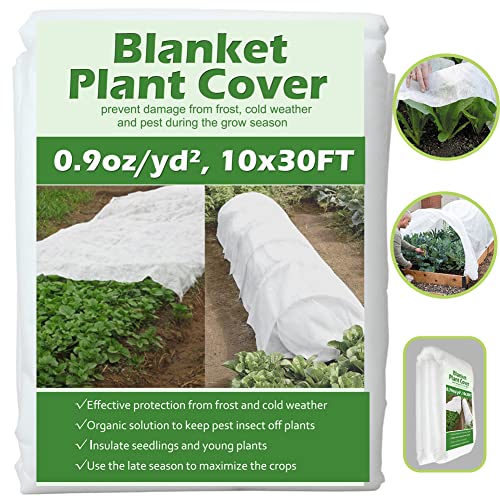
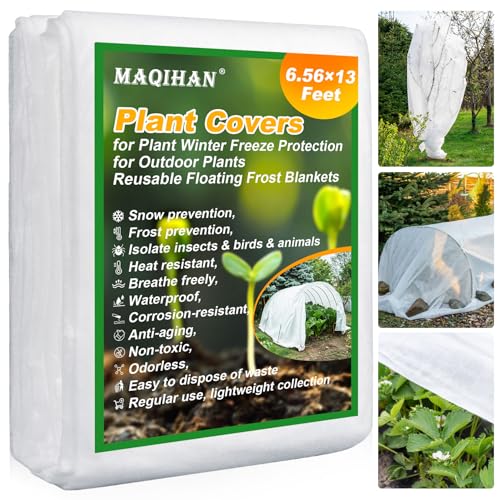
Lightweight fabric covers provide a physical barrier against frost. They trap heat from the ground and keep plants several degrees warmer. Use floating row covers, blankets, or specialized frost cloths.
Find quality garden tools and covers to protect your plants effectively.
🌾 Mulching for Insulation
Applying a thick layer of organic mulch around the base of plants helps insulate the soil and roots, retaining warmth and reducing frost penetration. Straw, wood chips, and leaves are excellent choices.
Learn more about the best mulching practices for year-round protection.
💧 Irrigation & Water Management
Watering plants before a frost can actually protect them, as moist soil holds more heat than dry soil. Overhead irrigation can also create a protective layer of ice that insulates the plant.
Optimize your watering strategy with efficient drip irrigation systems.
🌬️ Windbreaks & Microclimates
Planting windbreaks or using temporary barriers can reduce the drying and cooling effects of wind. Strategic placement of structures or plants can create warmer microclimates in your garden.
Explore landscaping ideas to create sheltered spots for sensitive plants.
For more advanced techniques, consider using greenhouse gardening or cold frames (if you have the space). These structures provide the ultimate protection against frost and extend your growing season significantly.
Seasonal Frost Protection Tips
Frost protection is a year-round consideration. Here’s a seasonal breakdown to help you stay ahead of the weather:
- Spring: Be prepared for late frosts that can kill new growth. Have covers ready and monitor weather forecasts closely.
- Summer: While frost is rare, microclimates can still produce cold spots. Ensure good air circulation and plan for potential early fall frosts.
- Autumn: This is the most critical time for frost protection. Use covers, mulch, and adjust watering to protect tender plants as temperatures drop.
- Winter: Protect hardy perennials and trees with burlap wraps and deep mulching to prevent freeze-thaw cycles that heave roots.
Planning is key. Review our seasonal garden checklist to make sure you're always ready.
Also, consider integrating frost protection into your overall winter garden preparation strategy for a resilient landscape.
Choosing the Right Frost Protection Materials
Not all frost protection materials are created equal. Here’s a quick guide to help you choose:
- Frost cloths: Lightweight, breathable, and available in different thicknesses for various temperature drops.
- Plastic sheeting: Can be used, but must be supported to prevent direct contact with foliage, which can cause damage.
- Floating row covers: Excellent for vegetable gardens; they allow light and water through while providing insulation.
- Mulch: Use organic materials like straw, hay, or shredded leaves for soil insulation.
When selecting covers, always consider the size of your plants and the expected severity of the frost. For large areas, garden arbors and trellises can support covers effectively.
Common Frost Protection Mistakes
Even with the best intentions, mistakes can happen. Here are a few pitfalls to avoid:
- Leaving covers on too long: Plants need air and light. Remove covers during the day when temperatures rise.
- Watering too late: Watering before a frost is good, but watering after the frost has formed can cause more damage.
- Using only one method: Combining methods—like covering and mulching—provides better protection.
- Ignoring microclimates: Parts of your garden may be colder than others; pay attention to these areas.
Learn from our common gardening mistakes guide to avoid these and other issues.
Ready to Protect Your Garden?
Now that you’re equipped with expert frost protection strategies, it's time to take action. Start with the basics and gradually implement more advanced techniques. Your plants will thank you!
Explore More Gardening Tips