Zero Turn Mowers: The Complete Buyer's Guide
Everything you need to know before choosing a zero turn mower — deck sizes, engine types, hydraulic systems, and the features that actually matter for your lawn, terrain, and mowing routine.
SEE TOP-RATED ZERO TURN MOWERSWhy trust this guide? Zero turn mowers are a significant investment, and the wrong choice can mean slower mowing, poor cut quality, and unnecessary maintenance headaches. This guide breaks down the technical specifications into plain language, compares residential versus commercial models, and helps you match a mower to your specific property — so you can buy with confidence.
What Is a Zero Turn Mower?
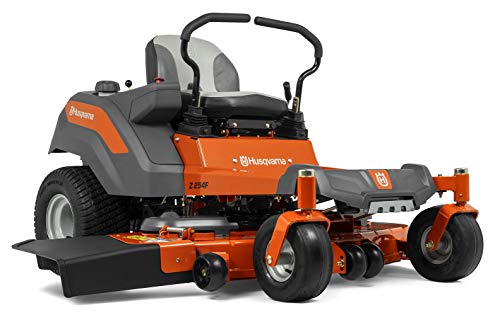
A zero turn mower is a riding lawn mower that uses independent hydraulic wheel motors to steer — instead of a steering wheel connected to front wheels. This design allows the mower to rotate in place (a "zero" turning radius), dramatically reducing trimming time around trees, flower beds, and obstacles. For homeowners with complex landscapes or large lawns, a zero turn mower can cut mowing time by 30% to 50% compared to a traditional lawn tractor.
The trade-off is a learning curve: the lap-bar control system (or joystick, on some premium models) requires practice to master. Once learned, most users find zero turn mowers faster, more maneuverable, and more enjoyable to operate than tractors. If you are upgrading from a push mower or tractor, consider starting with a mid-range 42-inch model to build confidence before moving to larger decks.
Key Specifications Explained
Understanding the core specs helps you compare models objectively. Here are the four that matter most:
Deck Size
Deck width determines how much grass you cut per pass. A 42-inch deck suits lawns under one acre and fits through standard gates. A 42-inch model is the most common entry point. For larger properties, 54-inch and 60-inch decks increase efficiency. The 72-inch deck is reserved for commercial or very large residential properties.
Engine Type
Residential models typically use vertical-shaft engines in the 18–24 HP range, while commercial models use horizontal-shaft engines producing 25–35 HP or more. Engine brand matters: Kawasaki and Kohler are widely regarded for durability in demanding conditions. For most homeowners, an entry-level or mid-range engine from a reputable brand provides years of reliable service.
Hydraulic System
Hydraulic drive systems determine speed, control smoothness, and durability. Entry-level mowers use integrated transmissions (often sealed, non-serviceable). Mid-range and premium models use separate pump-and-wheel-motor systems that are more robust and serviceable. Commercial models feature high-end hydrostatic systems built for daily use. The hydraulic quality directly affects how smoothly the mower responds to lap-bar input.
Cut Quality & Deck Design
Deck material (stamped vs. fabricated steel), spindle type, and blade tip speed all influence cut quality. Fabricated decks are thicker and more durable than stamped decks. Higher blade tip speeds (18,000+ FPM) produce cleaner cuts in thick grass. Consider a mower with a mulch kit or bagging option if you want versatility beyond side discharge.
Residential vs. Commercial: Which Do You Need?
The most common buying mistake is over- or under-buying. Here is how the two categories compare:
| Feature | Residential (Entry-Level to Mid-Range) | Commercial (Premium to Top-Tier) |
|---|---|---|
| Build & Frame | Lighter gauge steel, adequate for weekly mowing | Heavy-duty fabricated frames, designed for daily use |
| Hydraulic System | Integrated or lighter-duty hydrostatic drives | Serviceable commercial-grade pumps and wheel motors |
| Engine | 18–24 HP, suitable for standard lawns | 25–35+ HP, built for sustained heavy loads |
| Deck | Stamped or lighter fabricated steel | 7-gauge or 10-gauge fabricated steel decks |
| Expected Lifespan | 500–1,000 hours with proper maintenance | 2,000+ hours with proper maintenance |
| Best For | Homeowners mowing 1–3 acres weekly | Landscapers, large properties, daily mowing |
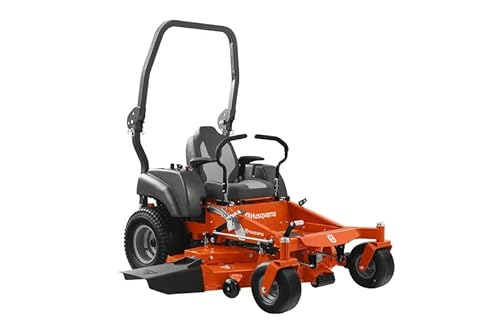
For most homeowners, a mid-range 60-inch model represents the sweet spot between capability and value. Commercial models like a commercial-grade mower for residential use make sense if you have extensive acreage, rough terrain, or want maximum longevity. If your property is smaller or you are new to zero turns, start with a 42-inch residential model and upgrade later if needed.
How to Choose the Right Zero Turn Mower
Use this step-by-step approach to narrow your options:
1. Measure Your Lawn and Gates
Calculate your total mowing area in acres or square feet. Then measure your narrowest gate opening and any tight pathways. A 42-inch deck needs roughly 44 inches of clearance; a 60-inch deck needs about 62 inches. If your property has narrow gates or tight landscaping, a smaller deck is more practical.
2. Assess Your Terrain
Flat, smooth lawns are ideal for any zero turn. If your property has slopes, ditches, or uneven ground, prioritize models with wider tires, lower centers of gravity, or four-wheel steering. For rough terrain, a commercial mower built for rough terrain offers better stability and durability. Avoid mowing across steep slopes; always go up and down.
3. Decide on Transmission and Engine
Entry-level mowers use integrated transmissions that are sealed and non-serviceable — fine for light use. If you plan to mow frequently or have demanding conditions, step up to a model with serviceable hydrostatic drives. Engine choice follows the same logic: a reputable brand in the mid-range is more durable than an off-brand in the entry-level tier.
4. Consider Deck Features
Fabricated decks resist dents and last longer than stamped decks. Look for models with reinforced spindle housings and anti-scalp wheels. If you bag or mulch, confirm the mower supports those configurations. A mulch kit is especially useful for leaving clippings on the lawn as natural fertilizer.
5. Plan for Storage and Maintenance
Zero turn mowers require more storage space than tractors. Measure your shed or garage before buying. Also, check whether your local dealer services the brand you are considering — dealer support is a major factor in long-term satisfaction. Brands with strong dealer networks make warranty work and routine maintenance much easier.
Zero Turn Mower Maintenance Essentials
Proper maintenance extends the life of any mower. Follow these core practices:
- Change engine oil every 50 hours or per manufacturer recommendation.
- Sharpen blades every 20–25 hours of use, or whenever the cut looks ragged.
- Clean the deck after each mowing to prevent grass buildup and rust.
- Check tire pressure weekly — uneven pressure causes uneven cuts.
- Inspect hydraulic fluid levels and look for leaks in serviceable systems.
- Replace air and fuel filters annually or per schedule.
- Store properly during winter with fuel stabilizer or by draining the tank.
Consistent maintenance is the single biggest factor separating a mower that lasts 10 years from one that fails in three. Even the best commercial-grade mower will underperform without routine care.
Zero Turn Mower Safety Guidelines
Zero turn mowers are powerful machines. Follow these safety rules:
- Read the operator's manual before first use — every model has different controls and safety features.
- Wear hearing protection, safety glasses, and closed-toe shoes.
- Never mow on slopes greater than 15 degrees (about 27% grade).
- Keep bystanders, children, and pets away from the mowing area.
- Engage the parking brake and disengage blades before dismounting.
- Do not operate on wet grass — traction loss and rollover risk increase dramatically.
- Use the rollover protection system (ROPS) and seat belt if your mower has them.
Frequently Asked Questions
Ready to Find Your Zero Turn Mower?
Browse our curated selection of top-rated zero turn mowers across every tier — from entry-level residential models to commercial-grade machines.
VIEW RECOMMENDED MODELS