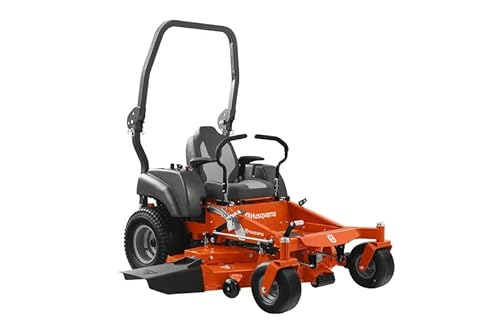
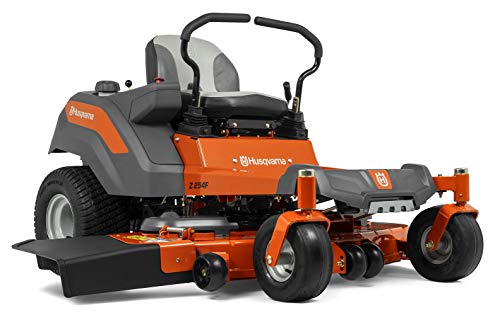
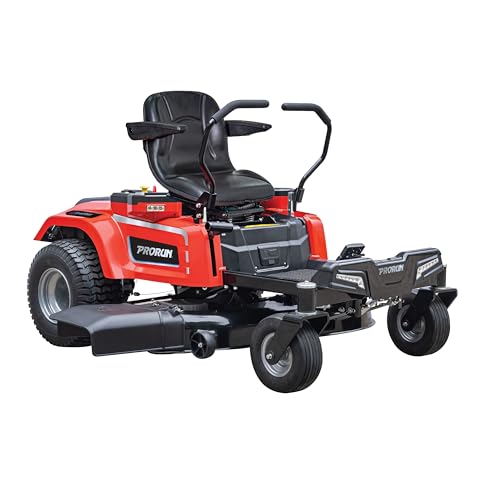
60 Inch Zero Turn Mowers for Sale Near Me: The Complete Buyer's Guide
Ready to cut mowing time in half? A 60 inch zero turn mower is the sweet spot for large properties, offering wide coverage without sacrificing maneuverability. This guide walks you through everything you need to know before buying one locally.
Browse Top PicksQuick summary: If you own two to five acres or more of mostly open lawn, a 60 inch zero turn mower can dramatically reduce mowing time compared to a standard riding mower. This guide covers deck sizing, engine options, transmission types, terrain capability, and what to verify before buying from a local dealer — so you can choose confidently and avoid costly mistakes.
Why a 60 Inch Deck Might Be Your Ideal Size
The cutting deck width is one of the most important decisions when buying a zero turn mower. A 60 inch deck sits in the "wide" category — larger than the common 42 inch and 54 inch models, but more maneuverable than 72 inch commercial units. For many homeowners with large lots, it represents the best balance of speed, coverage, and storage practicality.
Here is what a 60 inch deck offers in real terms:
- Fewer passes: Compared to a 42 inch mower, a 60 inch deck covers roughly 43% more ground per pass. On a three-acre lawn, that difference adds up to hours saved over a season.
- Faster completion: Most 60 inch zero turns can finish an acre in about 30 to 45 minutes under normal conditions, depending on terrain and grass height.
- Still manageable: Unlike 72 inch decks that require wide gates and generous storage, 60 inch models fit through most standard double gates and residential sheds.
- Good stripe and cut quality: Wider decks with well-designed baffles and discharge chutes produce clean, even cuts and attractive striping on large open lawns.
If your property is smaller — say under two acres with many trees, flower beds, and tight corners — a 54 inch zero turn mower may actually serve you better. But if open lawn dominates your landscape, the 60 inch class is hard to beat.
Who Should Consider a 60 Inch Zero Turn Mower?
Not every property calls for a wide-deck zero turn. This size shines in specific situations. Consider a 60 inch model if any of the following describe you:
- You manage two to five acres or more of lawn with relatively few obstacles. Large rural lots, estate lawns, and small farm properties are ideal.
- You want to cut mowing time significantly. If mowing currently eats up half your weekend, a wide deck is one of the most effective upgrades you can make.
- You have commercial or semi-commercial needs. Property managers, small landscaping businesses, and caretakers of churches, schools, or rental properties often choose 60 inch decks for productivity.
- Your terrain is mostly flat to gently rolling. While many 60 inch models handle moderate slopes, extremely steep or heavily wooded properties may favor a narrower deck or a different machine type.
- You have adequate storage and access. Confirm your shed, garage, or carport can accommodate the mower's width and length, and that gates are wide enough.
If you are still deciding between zero turn and traditional riding mowers, our guide to 42 inch riding lawn mowers explains the trade-offs in maneuverability and cost of ownership.
Key Features to Compare Across 60 Inch Models
Engine and Power
Entry-level 60 inch zero turns typically use engines in the 22–24 horsepower range, which is adequate for flat residential lawns. Mid-range and premium models step up to 24–27 horsepower or more, providing better torque for thick grass, mulching, and sustained use on larger properties. Commercial engines from brands like Kawasaki and Kohler are common in higher-tier units and are built for longer service intervals.
Transmission Type
Hydrostatic transmissions are standard on zero turn mowers, but quality varies significantly. Entry-level units often use lighter-duty integrated transmissions (such as EZT or similar), while mid-range models feature serviceable hydro-gear units, and premium/commercial models use heavy-duty pumps and wheel motors designed for daily professional use. If you plan to mow several acres regularly, investing in a higher-tier transmission pays off in durability and smoother control.
Deck Construction
Deck material and gauge matter for longevity. Entry-level decks are typically stamped steel in the 11–12 gauge range. Mid-range models often use fabricated (welded) decks in 10–11 gauge steel, which resist dents and flex better. Premium and commercial decks are usually fabricated from 7–10 gauge steel with reinforced edges and better airflow designs for superior discharge and mulching performance.
Comfort and Controls
Look for adjustable lap bars, suspension seats (especially on rough terrain), cup holders, and easy-access maintenance points. Premium models often include rubber iso-mounts to reduce vibration and improved ergonomics for longer mowing sessions.
Cut Height and Blade Options
Most 60 inch decks offer cut heights from roughly 1.5 to 4.5 inches, adjustable via a foot pedal or dial. Check whether the model supports mulching kits, bagging attachments, and striping kits — these expand versatility if you want a manicured look or need to collect clippings.
Entry-Level vs Mid-Range vs Premium: What to Expect
The table below summarizes how 60 inch zero turn mowers differ across quality tiers. Use it to match your needs and budget to the right class — without relying on prices, which fluctuate over time.
| Feature | Entry-Level | Mid-Range | Premium |
|---|---|---|---|
| Best for | Residential lawns, 2–3 acres, occasional use | Larger homes, 3–5 acres, regular use | Commercial properties, 5+ acres, daily use |
| Engine | 22–24 hp residential-grade | 24–26 hp mid-grade, often brand-name | 26–30+ hp commercial-grade |
| Deck | Stamped steel, 11–12 gauge | Fabricated steel, 10–11 gauge | Fabricated steel, 7–10 gauge, reinforced |
| Transmission | Light-duty integrated hydrostatic | Serviceable hydro-gear units | Heavy-duty pumps and wheel motors |
| Ground speed | 6–7 mph | 7–8 mph | 9–10+ mph |
| Comfort | Basic seat, standard controls | Suspension seat, improved ergonomics | High-back suspension seat, vibration damping |
| Warranty | Shorter residential warranty | Extended residential warranty | Commercial-grade warranty |
| Tier label | Entry-level | Mid-range | Premium |
For rough or hilly terrain, premium features like wider rear tires and upgraded transmissions are especially valuable. You can explore terrain-specific options in our guide to the best residential zero turn mower for rough terrain.
Buying Near Me: What to Verify with Local Dealers
Searching "60 inch zero turn mowers for sale near me" is a smart first step because local dealers offer advantages online sellers often cannot match: hands-on demos, delivery, setup, and faster service. Before committing, verify these points with each dealer you contact:
- Test drive availability: Ask whether you can operate the mower on a demo lot or your own property. Zero turn controls take practice, and a test drive reveals comfort and control differences between models.
- Service and parts network: Confirm the dealer has a service department, certified technicians, and ready access to replacement blades, belts, filters, and hydro oil.
- Warranty terms: Ask about the warranty length for residential vs commercial use, what is covered, and whether the dealer handles claims locally.
- Delivery and setup: Many dealers deliver, assemble, and adjust the mower before handoff. Confirm whether this is included and whether they offer pickup for service.
- Financing options: Many dealers offer promotional financing or lease-to-own programs. Compare terms carefully.
- Storage and access check: Measure your shed opening and gate width before buying. A 60 inch deck typically requires at least a 60–64 inch clear opening, plus extra clearance for the mower's overall width.
If you are also shopping for a used machine, our guide on where to buy a used riding lawn mower offers tips on evaluating condition and avoiding lemons. And if you are still exploring options, see our comparison of 42 inch zero turn mowers to understand the smaller end of the range.
Will a 60 Inch Zero Turn Handle Your Terrain?
Terrain is a major factor in mower satisfaction. A 60 inch zero turn performs best on flat to gently rolling lawns, but many models can handle moderate slopes when driven carefully. Consider these terrain guidelines:
- Flat lawns: Any tier works well. Entry-level models are often sufficient for regular mowing on level ground.
- Gently rolling terrain: Mid-range models with wider tires and better transmissions provide smoother, safer control.
- Moderate slopes: Check the manufacturer's maximum slope rating (often around 15–20 degrees). Premium models with high-traction tires and heavier frames handle slopes more confidently.
- Steep hills and rough ground: If your property has steep inclines or uneven ground, prioritize models specifically designed for hills. Our guide to the best riding lawn mower for hills and rough terrain explains the features that matter most.
Remember that zero turn mowers steer differently from tractors — on slopes, you must always mow up and down rather than across, and avoid sudden turns that can cause loss of traction.
Ownership Realities: Maintenance and Longevity
A 60 inch zero turn is an investment that rewards proper maintenance. Plan for these routine tasks to keep your mower running reliably for years:
- Blade care: Sharpen or replace blades every 20–25 mowing hours or whenever the cut looks ragged. Dull blades tear grass and invite disease.
- Oil and filters: Follow the engine manual for oil change intervals (typically every 50 hours or seasonally) and replace air and fuel filters as recommended.
- Hydrostatic transmission service: Many mid-range and premium units have serviceable transmissions requiring fluid and filter changes at 200–500 hour intervals. Entry-level sealed units require no service but have shorter lifespans.
- Deck cleaning: Scrape grass buildup from under the deck after each mowing session to prevent rust and improve airflow.
- Battery and belts: Check belts for wear each season and keep the battery charged, especially during off-season storage.
If you are considering a battery-powered alternative for smaller properties, see our coverage of the 42 inch battery electric riding zero turn mower.
Ready to Find Your 60 Inch Zero Turn?
Browse top-rated 60 inch zero turn mowers available through our recommended partners and compare features, tiers, and reviews side by side.
See Recommended ModelsFrequently Asked Questions
What size property is a 60 inch zero turn mower best for?
A 60 inch zero turn mower is best suited for properties ranging from two to five acres or larger. The wide cutting deck reduces mowing time significantly on expansive lawns and is also ideal for commercial properties, estates, and large rural lots with mostly open terrain.
How fast can a 60 inch zero turn mower cut an acre of grass?
Most 60 inch zero turn mowers can cut one acre of grass in roughly 30 to 45 minutes under normal conditions. This depends on the mower's ground speed, terrain type, grass height, and the operator's familiarity with zero turn controls. Commercial-grade models tend to be faster than entry-level units.
Can a 60 inch zero turn mower handle hills and rough terrain?
Yes, many 60 inch zero turn mowers handle moderate slopes and rough terrain well, especially mid-range and premium models with wider rear tires, hydrostatic transmissions, and higher engine torque. However, for very steep inclines, you should check the manufacturer's maximum slope rating and consider a model specifically designed for hills.
What should I check before buying a 60 inch zero turn mower near me?
Before buying locally, verify the dealer's service network, warranty terms, availability of replacement blades and belts, and whether they offer delivery and setup. Also measure your storage space and gate width, confirm the mower's deck size fits your property, and test-drive the model if possible.
Is a 60 inch deck too wide for a residential yard?
A 60 inch deck can be too wide for small residential yards with narrow gates, tight landscaping, or many obstacles. It is generally recommended for lots of two acres or more. For smaller properties, a 42 inch or 54 inch zero turn mower typically provides better maneuverability.
What is the difference between entry-level and commercial 60 inch zero turn mowers?
Entry-level 60 inch zero turn mowers are built for residential use with lighter frames, smaller engines, and shorter warranties. Commercial-grade models feature heavier-gauge steel decks, more powerful engines, upgraded hydrostatic transmissions, higher ground speeds, and longer warranties designed for daily professional use.