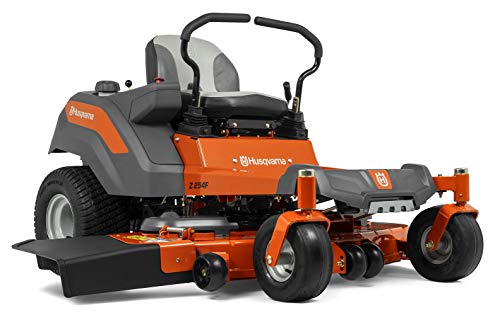
Best Residential Zero Turn Mower for Rough Terrain: Complete Buyer's Guide
If your lawn is bumpy, uneven, or full of slopes, a standard mower simply won't cut it. Discover what actually matters when choosing a residential zero turn mower built to handle rough ground — and make a confident buying decision.
See Recommended ModelsWhy this guide matters: Most zero turn mower reviews focus on flat, manicured lawns. But if you're dealing with rough terrain — ruts, molehills, slopes, or uneven ground — the wrong mower will scalp your grass, rattle your spine, and wear out prematurely. This guide breaks down the specific features that separate a mower that survives rough terrain from one that thrives on it. Whether you're comparing an entry-level model or a premium residential unit, you'll know exactly what to look for before you buy.
What Makes Rough Terrain So Challenging for a Zero Turn Mower?
Zero turn mowers are designed for maneuverability and speed, but their short wheelbase and rigid frames can make them uncomfortable — and sometimes unstable — on uneven ground. When the terrain is rough, three problems emerge: scalping (the deck digs into high spots), loss of traction (wheels spin on slopes or soft spots), and operator fatigue (every bump travels straight to the seat and steering arms).
Residential mowers that handle rough terrain well address these issues through specific engineering choices — larger drive tires, suspension systems, reinforced decks, and more powerful engines. If your property includes hilly sections, you may also want to review options for riding mowers for hills and rough terrain as a comparison point before committing to a zero turn design.
Key Features to Prioritize for Rough Terrain
Suspension System
A suspension seat or full frame suspension absorbs impacts from ruts and bumps. Mid-range and premium residential models typically offer seat suspension as standard, while entry-level units often rely on a basic padded seat. This is the single biggest factor in operator comfort on rough ground.
Deck Size and Ground Clearance
A smaller deck (42–48 inches) follows terrain contours better and reduces scalping on uneven ground. Larger decks (54–60 inches) are faster on open flat areas but can dig into high spots. Look for decks with anti-scalp wheels and adjustable cutting height.
Engine Power and Torque
Rough terrain demands more torque to maintain blade speed through thick grass and up slopes. Mid-tier and high-end residential engines provide the reserve power needed to avoid bogging down on hills or in dense patches.
Tire Type and Size
Large drive tires with aggressive tread patterns improve traction on slopes and soft ground. Turf tires are gentler on grass but offer less grip on wet or loose terrain. For rough ground, consider models with wider rear tires and deeper treads.
Frame and Build Quality
A welded steel frame with reinforced joints handles vibration and torsion better than bolted or lighter frames. Premium residential mowers often use thicker gauge steel and commercial-grade components that last longer under rough-terrain stress.
Transmission and Drive System
Hydrostatic transmissions with separate wheel motors provide smoother control on uneven ground. Higher-tier residential models offer more robust hydro systems that maintain consistent speed and torque on slopes.
Residential Zero Turn Mower Tiers: What to Expect
Rather than focusing on specific numbers, it helps to understand how mowers are positioned across quality tiers. Here's how the three main residential categories compare for rough-terrain use:
| Feature | Entry-Level | Mid-Range | Premium |
|---|---|---|---|
| Suspension | Basic padded seat | Seat suspension standard | Full frame or 4-point suspension |
| Deck Construction | Stamped steel, lighter gauge | Fabricated steel, reinforced edges | Commercial-grade fabricated deck |
| Engine | Adequate for flat lawns | Strong torque for slopes | High-torque, heavy-duty |
| Tires | Standard turf tires | Wider drive tires, better tread | Large drive tires, aggressive tread |
| Transmission | Entry hydrostatic | Mid-grade hydro, smoother control | Heavy-duty hydro, commercial components |
| Best For | Mostly flat lawns with occasional bumps | Regular uneven ground, moderate slopes | Frequent rough terrain, steep slopes, large properties |
For most homeowners with genuinely rough terrain, the mid-range tier offers the best balance — enough suspension and build quality to handle uneven ground comfortably, without paying for commercial-grade features you may not need. If your property is large and consistently challenging, a premium residential model is worth the investment.
Buyer's Checklist: Before You Decide
- Measure your roughest area: Walk your property and note the steepest slope, the bumpiest section, and any obstacles. This tells you how much suspension and traction you actually need.
- Match deck size to terrain: A 42–48 inch deck is more forgiving on uneven ground. Only choose a larger deck if most of your lawn is flat and open.
- Test the seat: If possible, sit on the mower before buying. Suspension seats vary significantly in quality, and comfort on rough ground is not something you can judge from a spec sheet alone.
- Check tire options: Ask whether the model offers alternative tire configurations. For rough terrain, wider drive tires with deeper tread make a real difference.
- Consider your mowing frequency: Rough terrain takes more of a toll on the machine. If you mow frequently, invest in a higher tier for durability.
- Review the warranty: Residential warranties vary by tier. Premium models often include longer coverage, which matters more when the mower is subjected to rough-terrain stress.
Frequently Asked Questions
Can a residential zero turn mower handle rough terrain?
Yes — but not all residential zero turns are built for it. Models with seat or frame suspension, reinforced decks, and larger drive tires handle rough terrain far better than basic entry-level units. The key is matching the mower's build quality to the severity of your terrain.
What deck size is best for uneven ground?
A 42 to 48 inch deck generally follows terrain contours better than a larger deck, reducing scalping on high spots. Larger decks are faster on flat ground but can dig in on uneven sections. For consistently rough terrain, a smaller deck with anti-scalp wheels is the safer choice.
Is suspension really necessary for rough terrain?
For rough terrain, suspension is the most impactful comfort feature you can get. Without it, every bump and rut is transferred directly to the operator, leading to fatigue and reduced control. Seat suspension is common on mid-range models; full frame suspension appears on premium residential units.
How do I choose between a zero turn and a riding mower for rough ground?
Zero turn mowers excel at maneuverability and speed on open ground, but their design can be less forgiving on very rough terrain compared to some riding mowers. If your property has significant hills and rough sections, it's worth comparing both types — our guide to riding mowers for hills and rough terrain can help you weigh the trade-offs.
Where can I buy a zero turn mower for rough terrain?
Residential zero turn mowers are available through authorized dealers, home improvement stores, and online retailers. Buying from a dealer often includes setup and local service support, which is valuable for higher-tier models. Our guide on the best place to buy a zero turn lawn mower covers the pros and cons of each option.
Ready to Choose Your Rough-Terrain Zero Turn Mower?
Browse recommended models that are built to handle uneven ground, slopes, and bumpy lawns — selected for residential use and rough-terrain performance.
View Recommended Mowers