Compost Bins: The Complete Guide to Choosing and Using Compost Bins
Turn kitchen scraps and garden waste into nutrient-rich compost with the right bin. Learn about compost bin types, setup, maintenance, and expert tips for faster, cleaner composting at home.
EXPLORE COMPOST BIN TYPESWhat Is a Compost Bin and Why You Need One
A compost bin is a container designed to hold organic waste while it decomposes into a dark, crumbly, nutrient-rich material known as compost. Rather than sending kitchen scraps and yard trimmings to a landfill, a compost bin lets you recycle those materials at home and return valuable nutrients to your garden soil. Whether you are an experienced gardener or just starting out, adding a compost bin to your outdoor setup is one of the most rewarding investments you can make.
The benefits of composting extend far beyond waste reduction. Finished compost improves soil structure, helps retain moisture, and supplies slow-release nutrients to plants. It also supports beneficial microorganisms that keep soil healthy. For gardeners growing vegetables, herbs, and flowers, homemade compost is a free and sustainable soil amendment that rivals any commercial product. If you are new to the practice, it helps to understand the fundamentals of composting before selecting your bin.
Compost bins come in many shapes and sizes, from simple stationary units to rotating tumblers and compact indoor worm composters. The right choice depends on your available space, the volume of waste you generate, and how hands-on you want to be. This guide walks you through every option so you can make a confident decision.
Types of Compost Bins Compared
Understanding the differences between compost bin styles is essential before you buy. Each type has distinct strengths in terms of capacity, aeration, speed, and ease of use. Below is a detailed comparison of the most popular options on the market.
1. Stationary Compost Bins
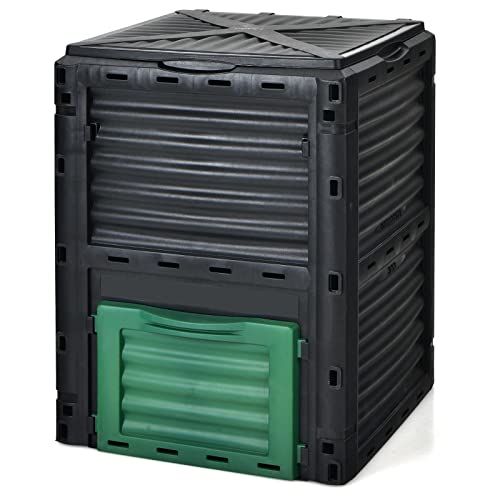
Stationary bins are the most traditional and widely used type. They are typically box-shaped or cylindrical containers with open bottoms that sit directly on the soil, allowing earthworms and beneficial organisms to enter. Most models feature a lid and ventilation slots. Stationary bins are generally entry-level to mid-range in the market and offer excellent capacity for larger gardens.
- Pros: Large capacity, low maintenance, good insulation, affordable entry point.
- Cons: Slower decomposition, requires manual turning with a fork or aerator, less pest-proof.
- Best for: Gardeners with ample yard space who produce moderate to large volumes of organic waste.
2. Tumbling Compost Bins
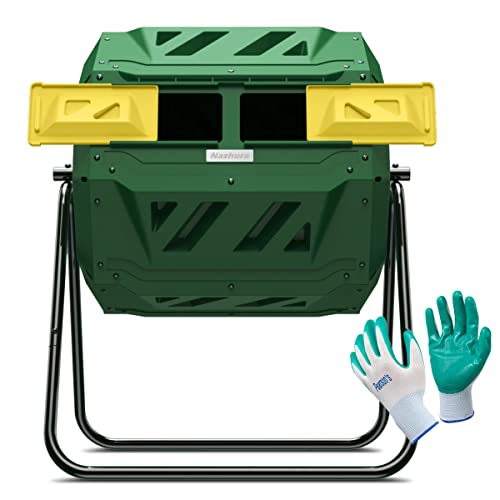
Tumbling bins are elevated, rotating drums that make turning compost effortless. With a simple spin of the drum, you aerate the entire pile, which speeds up decomposition significantly. These mid-range to premium units are available in dual-chamber designs that let you finish one batch while starting another. They are a favorite among urban gardeners and anyone who wants fast results with minimal physical effort.
- Pros: Fast decomposition, easy aeration, pest-resistant, compact footprint.
- Cons: Smaller capacity, can become heavy when full, higher cost than stationary bins.
- Best for: Homeowners with limited space who want quick compost and low maintenance.
For a deeper look at rotating models, see our guide to compost tumblers.
3. Worm Composters (Vermicomposters)
Worm composters use red wiggler worms to break down food scraps into worm castings, one of the richest natural fertilizers available. These compact, tiered systems are ideal for indoor use, apartment living, or small outdoor spaces. They are typically affordable to mid-priced and produce finished compost faster than stationary bins when managed correctly.
- Pros: Compact, odor-free when maintained, produces premium castings, works indoors year-round.
- Cons: Limited capacity, sensitive to temperature extremes, requires worm care.
- Best for: Apartment dwellers, small-space gardeners, and anyone wanting high-quality compost for container plants.
4. Bokashi Bins
Bokashi bins are airtight containers that ferment organic waste using a bran inoculated with beneficial microorganisms. Unlike traditional composting, bokashi ferments everything — including meat, dairy, and cooked foods — without odors. The resulting pre-compost is then buried in soil or added to a traditional compost bin to finish breaking down. These units are compact, budget-friendly, and excellent for kitchens.
- Pros: Accepts all food waste, odor-free, compact, fast fermentation cycle.
- Cons: Produces fermented pre-compost, not finished compost; requires a second stage.
- Best for: Households that generate a lot of food waste and want an odor-free indoor solution.
5. Open Piles and Wire Bins
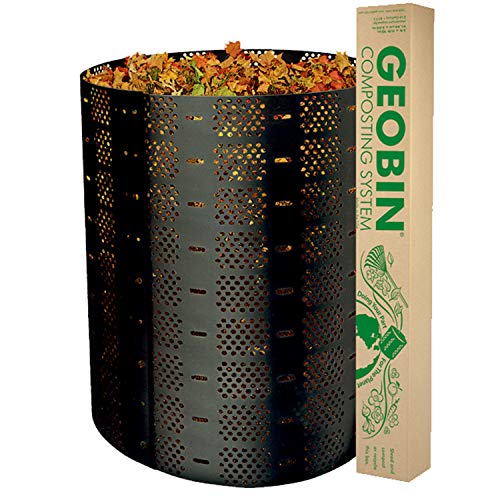
The simplest and most affordable option is an open pile or a wire-frame bin. These are essentially containment structures that keep materials tidy while allowing maximum airflow. While they require more manual turning and take longer to produce finished compost, they are an excellent starting point for beginners on a tight budget.
- Pros: Lowest cost, excellent airflow, easy to build or assemble.
- Cons: Slowest decomposition, vulnerable to pests and weather, less tidy appearance.
- Best for: Budget-conscious gardeners with plenty of space and patience.
Compost Bin Comparison at a Glance
| Bin Type | Speed | Capacity | Ease of Use | Market Tier |
|---|---|---|---|---|
| Stationary Bin | Moderate | High | Moderate | Entry-level to mid-range |
| Tumbling Bin | Fast | Low to Moderate | Easy | Mid-range to premium |
| Worm Composter | Moderate to Fast | Low | Moderate | Affordable to mid-priced |
| Bokashi Bin | Fast (fermentation) | Low | Easy | Budget-friendly |
| Open Pile / Wire Bin | Slow | High | Requires effort | Entry-level |
How to Choose the Right Compost Bin
Selecting the best compost bin comes down to matching the unit to your lifestyle, space, and waste output. Consider the following factors before making a purchase.
Available Space
Measure your available area before shopping. Tumbling bins and worm composters fit comfortably on patios, decks, or balconies, while stationary bins and open piles require more room. If your outdoor area is small, a compact tumbler or indoor worm composter will serve you best. If you have a larger yard, a dual-chamber tumbler or a well-placed stationary bin offers greater capacity.
Volume of Organic Waste
Estimate how much kitchen and yard waste your household generates each week. A typical family produces enough food scraps and garden trimmings to keep a mid-sized tumbler or stationary bin active. Small households or apartment dwellers may find a worm composter or bokashi bin sufficient. Overloading a small bin slows decomposition and creates odors, so match capacity to output.
Maintenance Commitment
Some bins demand regular turning and moisture monitoring, while others are largely set-and-forget. Tumbling bins are the easiest to aerate, requiring only a few spins every couple of days. Stationary bins need periodic turning with a garden fork. Worm composters require careful moisture and temperature management but reward you with premium castings. Choose a maintenance level that fits your schedule.
Climate Considerations
In hot climates, insulated bins help prevent overheating and moisture loss. In cold climates, tumblers and insulated stationary bins retain heat better than open piles, keeping decomposition active through cooler months. If you garden in a region with harsh winters, look for units with thick walls or consider moving a worm composter indoors during freezing temperatures.
Pest Resistance
If rodents, raccoons, or neighborhood pets are a concern, choose enclosed bins with secure lids. Tumblers and worm composters are the most pest-resistant because they are fully enclosed and elevated off the ground. Avoid adding meat, dairy, or oily foods to any outdoor bin, as these attract unwanted visitors.
For related garden structures that complement your composting setup, explore our guides on garden sheds and DIY garden beds.
Setting Up Your Compost Bin
Proper setup is the foundation of successful composting. Follow these steps to give your bin the best start.
Choose the Right Location
Place your compost bin in a level, well-drained area that receives partial sun. A spot that gets morning sun helps warm the pile and speed decomposition, while some afternoon shade prevents overheating in hot climates. Ensure the location is convenient — you will be visiting it frequently with kitchen scraps. Keep it away from wooden structures and property lines to avoid pest issues.
Prepare the Base
For stationary bins and open piles, loosen the soil beneath the bin to allow earthworms and beneficial organisms to enter. If your bin has an open bottom, place it directly on bare soil rather than concrete or pavers. For tumblers and worm composters, ensure the unit sits level and stable on a firm surface.
Start with the Right Ratio
Composting success depends on balancing "greens" (nitrogen-rich materials like food scraps, grass clippings, and fresh plant trimmings) with "browns" (carbon-rich materials like dry leaves, straw, shredded paper, and cardboard). Aim for roughly two to three parts browns to one part greens by volume. This ratio keeps the pile aerated and prevents odors.
Add Your First Layer
Begin with a thick layer of browns at the bottom to provide drainage and airflow. Then alternate layers of greens and browns, finishing with a brown layer on top. Moisten each layer lightly as you build — the pile should feel like a damp sponge, not soaking wet. Close the lid and let the microorganisms go to work.
Maintaining Your Compost Bin
Consistent maintenance keeps your compost bin productive and odor-free. Here is what to do throughout the composting cycle.
Aeration
Turn or tumble your compost every two to three days for the fastest results. Aeration introduces oxygen, which aerobic bacteria need to break down organic matter efficiently. Tumblers make this effortless — just give the drum a few spins. For stationary bins, use a compost aerator or garden fork to mix the material and bring the center to the outside.
Moisture Management
Check moisture weekly by squeezing a handful of compost. It should feel like a wrung-out sponge. If it is too dry, add water while turning. If it is too wet, add more browns and turn the pile to improve airflow. Proper moisture is critical — overly wet piles become anaerobic and produce unpleasant odors, while dry piles slow to a halt.
Temperature Monitoring
A healthy active pile heats up to between 130°F and 160°F (55°C to 70°C) in the center. This heat kills weed seeds and pathogens. Use a compost thermometer to monitor temperature, or simply feel the center with a garden fork — a hot pile indicates active decomposition. If the pile cools, turn it to reintroduce oxygen and restart the microbial activity.
What to Add and What to Avoid
- Add: Fruit and vegetable scraps, coffee grounds, tea leaves, eggshells, grass clippings, dry leaves, straw, shredded paper, cardboard, plant trimmings.
- Avoid: Meat, fish, dairy, oily foods, pet waste, diseased plants, weeds with seeds, treated wood, glossy paper, plastics.
For gardeners dealing with weeds in their lawns and beds, proper composting of weed-free materials is important. Learn more about crabgrass control and dandelion control to keep invasive plants out of your compost.
Harvesting Finished Compost
Finished compost is dark, crumbly, and smells earthy. It should have no recognizable food scraps or original materials. Harvest from the bottom of stationary bins or empty a tumbler batch completely. Screen the compost if you want a finer texture, and return any unfinished material to the bin to continue decomposing.
Common Composting Problems and Solutions
Even experienced composters encounter issues. Here are the most common problems and how to fix them quickly.
Foul Odors
A rotting or ammonia-like smell indicates an imbalance — usually too many greens or too much moisture. Add browns, turn the pile thoroughly, and ensure proper drainage. Odors should disappear within a few days of corrective action.
Pests
Flies, rodents, or raccoons around your bin signal that food scraps are exposed or that inappropriate materials (meat, dairy) have been added. Bury food scraps deep in the pile, secure the lid, and switch to an enclosed bin if pests persist.
Slow Decomposition
If your pile is not heating up or breaking down, check for insufficient moisture, poor aeration, or an imbalance of greens and browns. Turn the pile, adjust moisture, and add a nitrogen source like fresh grass clippings or coffee grounds to kickstart microbial activity.
Too Dry
A dry pile will stall. Add water gradually while turning until the material reaches the consistency of a damp sponge. In hot, dry climates, keep the lid closed and consider shading the bin.
Too Wet
Soggy compost becomes anaerobic and smelly. Add plenty of browns — dry leaves, shredded cardboard, straw — and turn frequently to restore airflow. Ensure the bin has adequate drainage holes and is not sitting in a low spot where water pools.
For broader garden maintenance guidance, explore our resources on gardening tools and soil guides.
Frequently Asked Questions
What is the best compost bin for a small backyard?
For small backyards, a compact tumbler or a worm composter (vermicomposter) is often the best choice. These designs are space-efficient, control odors well, and produce finished compost faster than traditional open piles.
How long does it take to get finished compost?
Traditional bins typically produce compost in two to six months, while tumblers can finish a batch in as little as three to eight weeks when properly managed. Worm composters usually take two to four months to produce castings.
Do compost bins attract pests?
A well-maintained compost bin should not attract significant pests. Enclosed bins and tumblers with secure lids are the most effective at keeping rodents and raccoons out. Avoid adding meat, dairy, or oily foods to reduce odors and pest interest.
Can I compost in winter?
Yes, composting continues in winter, though the process slows significantly in cold temperatures. Insulated bins and tumblers help retain heat, and you can keep adding material throughout the season. The compost will finish faster once temperatures warm up in spring.
What is the difference between a compost bin and a compost tumbler?
A compost bin is a stationary container that sits on the ground, while a compost tumbler is an elevated, rotating drum that makes aeration effortless. Tumblers typically produce compost faster but have smaller capacity. Both are effective — your choice depends on space and how much manual effort you want to invest.