Aeration Tools: The Complete Guide to Healthier, Greener Lawns
Discover how the right aeration tools relieve soil compaction, improve water and nutrient absorption, and transform your lawn into a lush, resilient landscape. Compare aerator types, learn expert techniques, and choose the equipment that fits your lawn and lifestyle.
Explore Aeration ToolsWhy Aeration Matters: Over time, foot traffic, mowing, and weather cause soil to compact, limiting air, water, and nutrients from reaching grass roots. Aeration tools—from manual core aerators to tow-behind plug aerators—create openings in the soil that restore healthy root growth. Whether you maintain a small suburban yard or a sprawling estate lawn, choosing the right aeration equipment is one of the most impactful investments you can make in long-term turf health.
Types of Aeration Tools: Which One Is Right for Your Lawn?
Understanding the differences between aeration tools is essential before you buy. Each type serves specific lawn sizes, soil conditions, and budget tiers. Below is a detailed breakdown of the most common aeration equipment categories available today.
Manual Core Aerators
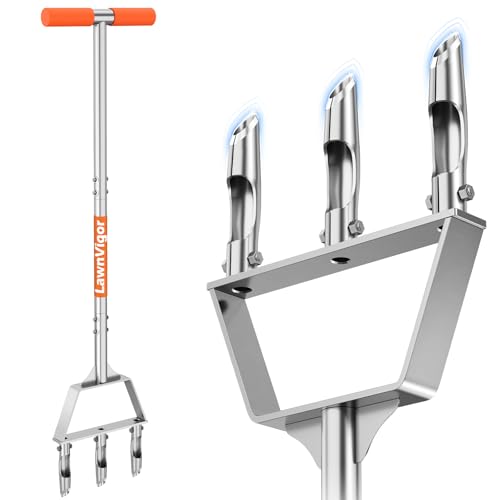
Manual core aerators are simple, hand-operated tools that remove small plugs of soil from your lawn. They are an excellent entry-level option for small yards, targeted problem areas, or gardeners who prefer a workout. Most models feature two to four hollow tines and a foot bar for driving the tool into the ground.
These are ideal for lawns under a quarter acre and for spot-treating compacted zones near walkways or play areas. They require physical effort, but they deliver genuine core aeration without any power source.
Spike Aerators (Shoe & Handheld)
Spike aerators use solid tines to poke holes in the soil rather than removing plugs. Shoe-style spike aerators strap onto your footwear, while handheld models resemble pitchforks with multiple spikes. They are affordable and easy to use on small lawns.
However, in heavy clay or already-compacted soil, spike aeration can actually worsen compaction by pushing soil sideways. They work best on sandy or loamy soils with mild compaction and for light overseeding preparation.
Tow-Behind Plug Aerators
Tow-behind aerators attach to a riding lawn mower, ATV, or garden tractor and use a drum of hollow tines to pull cores from the soil. They cover ground quickly and are a practical choice for medium to large lawns—typically half an acre to several acres.
These units usually require added weight (often supplied in the form of sandbags or a water drum) to penetrate tough soil. They are a solid mid-range investment for homeowners who want efficient core aeration without a self-propelled engine.
Walk-Behind Self-Propelled Aerators
Walk-behind self-propelled aerators are standalone machines with their own engine, designed for serious lawn care. They offer deep, consistent plug extraction, adjustable tine depth, and reduced operator fatigue compared to manual or tow-behind models.
These premium tools are ideal for large residential lawns, sports fields, or properties with challenging soil. They represent the top tier of residential aeration equipment and are built for frequent, repeatable use over many seasons.
Stand-On & Ride-On Aerators
Stand-on and ride-on aerators are professional-grade machines used by landscaping crews and groundskeepers. They combine speed, depth control, and maneuverability, making them suitable for commercial properties, golf courses, and very large estates.
For most homeowners these are overkill, but for those managing several acres or operating a lawn care business, they deliver unmatched productivity and consistent core aeration quality.
Aeration Sandals & Spike Shoes
Aeration sandals are a simple accessory that let you aerate while you walk. They feature spikes on the sole and are best for very small lawns or as a supplement between deeper aeration sessions. They are affordable, lightweight, and easy to store.
Keep expectations realistic: these are not a substitute for core aeration on compacted soil. They are a convenient entry-level option for mild surface compaction and for gardeners who want to aerate without dedicated equipment.
Aeration Tools Comparison at a Glance
Use this comparison table to match an aerator type to your lawn size, soil type, and maintenance goals. All descriptions use relative quality tiers rather than specific pricing, so the guidance stays relevant season after season.
| Aerator Type | Best For | Soil Type | Effort Level | Quality Tier |
|---|---|---|---|---|
| Manual Core Aerator | Small lawns, spot treatment | Loam, clay (moderate) | High (manual) | Entry-level |
| Spike Aerator / Shoes | Very small lawns, light prep | Sandy, loamy | Low to moderate | Budget-friendly |
| Tow-Behind Plug Aerator | Medium to large lawns | Most soil types | Low (towed) | Mid-range |
| Walk-Behind Self-Propelled | Large residential lawns | All soil types | Moderate (guided) | Premium |
| Stand-On / Ride-On Aerator | Commercial, estates | All soil types | Low (riding) | Top-tier / Professional |
How to Aerate Your Lawn: Step-by-Step
Proper technique matters as much as the tool itself. Follow these steps to get the most from your aeration equipment and to avoid common mistakes that can stress your grass.
- Water the lawn one to two days before aerating. Moist soil allows tines to penetrate evenly and pull clean plugs. Avoid aerating when the soil is soggy or bone dry.
- Mark sprinkler heads, shallow lines, and invisible fences. Aeration tines can damage irrigation components. Flag any obstacles before you begin.
- Choose the right aerator for your lawn size. Use a manual core aerator for small areas, a tow-behind plug aerator for medium lawns, or a self-propelled unit for large properties.
- Make two passes in perpendicular directions. The first pass should go north-south and the second east-west. This ensures even coverage and relieves compaction across the entire lawn.
- Leave the soil plugs on the lawn. The plugs break down naturally and return beneficial microbes and nutrients to the soil. There is no need to remove them.
- Overseed and fertilize after aeration. The openings allow seed and fertilizer to reach the soil directly, improving germination and nutrient uptake.
- Water lightly and monitor recovery. Keep the lawn moderately moist for a week after aeration. Avoid heavy foot traffic until the grass shows signs of recovery.
When Is the Best Time to Aerate?
Timing depends on your grass type and local climate. Cool-season grasses such as fescue and Kentucky bluegrass benefit most from aeration in early fall, when temperatures cool and the grass enters a period of active root growth. Warm-season grasses like Bermuda and St. Augustine respond best to aeration in late spring or early summer, during their peak growing season.
Avoid aerating during drought, extreme heat, or when the lawn is dormant. Stressed grass recovers poorly from aeration, and the openings can invite weeds. If you need to combine aeration with overseeding, choose a window when the grass can germinate and establish before the next season’s stress period.
Key Benefits of Regular Aeration
Regular aeration is one of the most cost-effective lawn care practices available. It improves water infiltration, reduces runoff, strengthens root systems, and helps fertilizer reach the root zone. Lawns that are aerated annually are more resistant to drought, disease, and weed pressure. Aeration also breaks up thatch and improves the exchange of oxygen and carbon dioxide in the soil, which supports beneficial microbial activity.
For homeowners dealing with stubborn compaction, patchy growth, or water pooling on the surface, aeration is often the missing step between mediocre turf and a thriving lawn. Pair aeration with proper mowing height, appropriate watering, and a reliable weed control strategy for best results.
Related Lawn Care Guides
- Electric Lawn Dethatcher with Collection Bag
- Best Self-Propelled Mower for Hilly Terrain
- Best Grass Seed for Clay Soil and Full Sun
- Organic Fertilizer and Weed Killer for Lawns
- Complete Lawn Care Guide
- How to Get Rid of Clover in Your Lawn
- Self-Propelled Mowers for Uneven Terrain
- Liquid Weed and Feed for St. Augustine Grass
- Grass Seed for Full Sun and Sandy Soil
- Electric Self-Propelled Mower for Hills