Weed Control: Protect Your Lawn & Garden from Invasive Plants
Learn how to identify, treat, and prevent weeds using organic methods, selective herbicides, and smart lawn care practices. Keep your yard lush, healthy, and beautiful.
Let gardening be worry-free. Weeds are more than an eyesore—they compete with your grass, flowers, and vegetables for water, nutrients, and sunlight. Effective weed control is essential for a thriving garden. Whether you're dealing with dandelions, crabgrass, clover, or stubborn perennial weeds, understanding the right approach is key. This guide covers preventive measures, natural remedies, and selective herbicides so you can choose the best strategy for your lawn and garden. After reading, you'll be equipped to make an informed purchase and take action.
Identify Common Lawn & Garden Weeds
Before you treat, know your enemy. Different weeds require different control methods. Here are the most frequent invaders:
🌱 Dandelions
Broadleaf perennial with deep taproots. Spread by seeds and root fragments.
Best control: Selective broadleaf herbicide or manual removal with a weeding tool.
🌿 Crabgrass
Annual grassy weed that thrives in hot, dry conditions. Germinates in spring.
Best control: Pre-emergent herbicide in early spring, plus proper mowing height.
🍀 Clover
Low-growing perennial with white or pink flowers. Often indicates low nitrogen.
Best control: Broadleaf weed killer or improve lawn fertility.
🌾 Nutsedge
Grass-like sedge that grows faster than turf. Yellow or purple varieties.
Best control: Selective sedge herbicides (e.g., halosulfuron).
Preventive Weed Control: Stop Weeds Before They Start
Prevention is the most effective and eco-friendly weed control strategy. A dense, healthy lawn naturally crowds out weeds.
Keep grass at 3-4 inches to shade weed seeds.
Balanced nutrients strengthen grass roots.
Infrequent, deep watering encourages deep roots.
Apply in spring before weed seeds germinate.
Pro Tip: For best weed killer for lawns without killing grass, look for products containing 2,4-D, dicamba, or MCPP for broadleaf weeds, and pendimethalin or prodiamine for crabgrass prevention. Always follow label instructions.
Natural & Organic Weed Control Methods
If you prefer to avoid synthetic chemicals, these natural methods can be effective, especially for small infestations and garden beds.
♨️ Boiling Water
Pour boiling water directly on weeds (careful around desired plants). Works best for driveway and sidewalk weeds.
🧂 Vinegar & Salt
Household vinegar (5% acetic acid) mixed with salt can desiccate weed foliage. Effective for non-selective control.
🔥 Flame Weeding
Use a propane torch to briefly heat weeds, causing cell collapse. Ideal for gravel paths and large areas.
🌾 Corn Gluten Meal
A natural pre-emergent that inhibits root formation in germinating seeds. Safe for lawns and gardens.
For a complete natural approach, combine these methods with good cultural practices. Explore our best way to get rid of weeds naturally guide for more tips.
Selective Herbicides: Targeted Chemical Control
For large lawns or persistent weed problems, selective herbicides are the most efficient solution. They target specific weed types without harming your grass.
| Weed Type | Recommended Active Ingredients | Example Product Type |
|---|---|---|
| Broadleaf Weeds (dandelion, clover, chickweed) | 2,4-D, dicamba, MCPP, triclopyr | Liquid concentrates or granular weed & feed |
| Grassy Weeds (crabgrass, foxtail) | Pendimethalin, prodiamine (pre-emergent); fenoxaprop (post-emergent) | Pre-emergent granules or sprayable formulas |
| Sedge Weeds (nutsedge, kyllinga) | Halosulfuron, sulfentrazone | Specialty sedge killers |
| Hard-to-Kill Perennials (bindweed, ground ivy) | Triclopyr + 2,4-D combinations | Brush & vine killers |
Important: Always read the label carefully to ensure the product is safe for your grass type (e.g., St. Augustine, Bermuda, Fescue). For St. Augustine lawns, choose a best liquid weed and feed for st augustine grass to avoid damage.
Application Tips for Best Results
- ✅ Timing: Apply pre-emergents in early spring before soil temps reach 55°F. Post-emergents work best on young, actively growing weeds in spring or fall.
- ✅ Weather: Apply on calm days with no rain forecast for 24-48 hours. Avoid spraying when temperatures exceed 85°F to reduce volatility.
- ✅ Equipment: Use a calibrated sprayer or spreader for even coverage. For spot treatments, a pump sprayer works well.
- ✅ Safety: Wear gloves, long sleeves, and eye protection. Keep children and pets off treated areas until dry.
When Professional Help May Be Needed
If you have a large property, severe infestation, or persistent weeds that resist over-the-counter products, consider hiring a lawn care professional. They have access to stronger formulations and application equipment. Additionally, if you're dealing with invasive species like Japanese knotweed or poison ivy, professional removal is often the safest and most effective option.
For garden bed weed issues, learning best way to get rid of weeds and grass in gravel driveway can also be helpful for hardscape areas.
Ready to Take Control of Weeds?
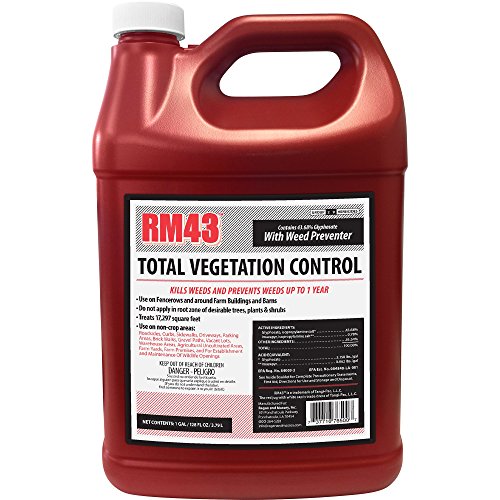
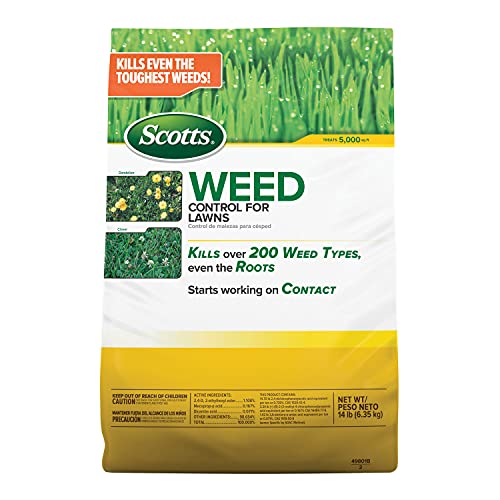
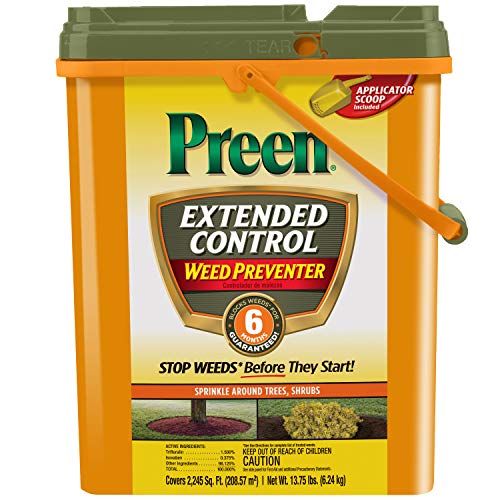
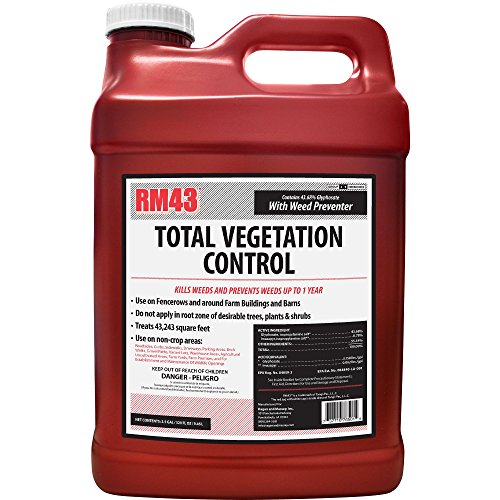
Now that you understand the options—from natural remedies to selective herbicides—you can choose the right products for your lawn. Below are recommended tools and weed killers to help you get started. Let gardening be rewarding and weed-free!
👉 Browse the selection below and pick the best solution for your weed problem.