Best Way to Get Rid of Weeds Naturally
Say goodbye to harsh chemicals and hello to a lush, healthy lawn. Our expert guide reveals the most effective natural methods to banish weeds permanently while enriching your soil and protecting pollinators.
Explore Natural Weed ControlWhy Natural Weed Control? Chemical herbicides can harm beneficial insects, soil microbes, and even your family's health. Natural methods are not only safe but also build long-term soil vitality. Discover how simple ingredients and smart gardening practices can keep weeds at bay forever.
1. Prevention: The First Line of Defense
The most effective natural weed control is prevention. A thick, healthy lawn and garden beds leave little room for weeds to establish. Here are the cornerstones of weed prevention:
- Maintain Proper Mowing Height: Keeping your grass at the recommended height (2.5–4 inches depending on variety) shades the soil, preventing weed seeds from germinating. Learn more about lawn care best practices.
- Feed Your Lawn Organically: Use compost and slow-release organic fertilizers to build soil structure and grass density. Healthy grass outcompetes weeds. Explore composting techniques for free, nutrient-rich soil amendments.
- Mulch Garden Beds: Apply a 2–3 inch layer of organic mulch (wood chips, straw, or leaf compost) to suppress weeds, retain moisture, and improve soil. For flower beds, consider flower garden designs that incorporate heavy mulching.
- Practice Crop Rotation & Cover Cropping: In vegetable gardens, rotating crops and using cover crops like clover or winter rye prevent weed buildup. See best fruits and vegetables to grow in raised beds for a healthy, weed-resistant setup.
Pro Tip: Water deeply and infrequently to encourage deep root growth in your lawn and plants, making them more drought-tolerant and competitive against weeds.
2. Effective Natural Herbicides (DIY & Commercial)
When weeds appear, reach for these natural solutions that are tough on weeds but safe for the environment.
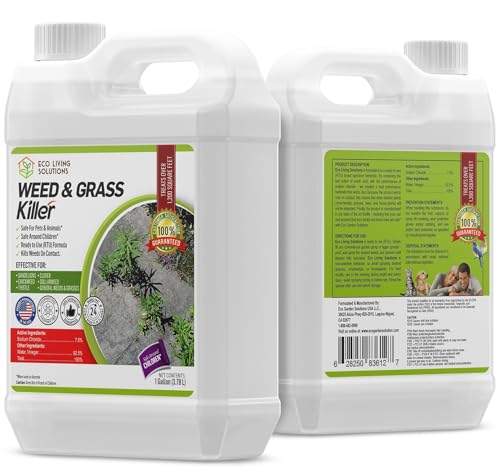
- Vinegar (Acetic Acid): Household vinegar (5% acidity) works on young weeds, but horticultural vinegar (20-30%) is more potent for perennial weeds. Caution: It is non-selective, so avoid desirable plants. Add a tablespoon of dish soap to help it stick. For spot treatments in lawns, consider a targeted approach.
- Boiling Water: Simple and effective for weeds in cracks, patios, or driveways. Pour boiling water directly on the weed – it kills roots and foliage instantly.
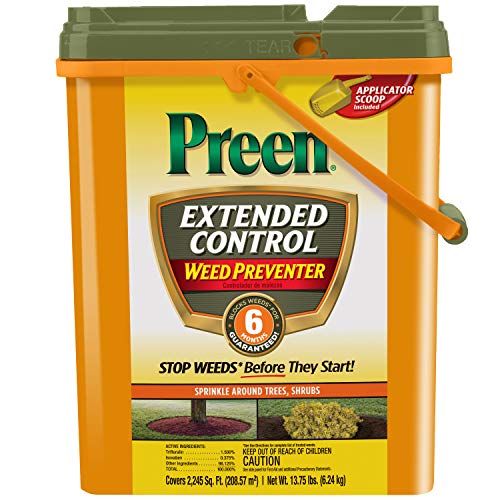
- Corn Gluten Meal: A pre-emergent organic herbicide that prevents weed seeds from germinating. Apply in early spring or fall for best results.
- Salt Solution: Mix salt with water (1 part salt to 8 parts water) and apply to weeds in areas where you want nothing to grow (patios, gravel paths). Use sparingly as it can sterilize soil.
- Commercial Organic Herbicides: Look for products containing ingredients like clove oil, citric acid, or pelargonic acid. They are effective and break down quickly in the environment. For larger areas, check out weed killer that won't kill plants for selective organic options.
Important: Always apply natural herbicides on sunny, windless days for maximum effectiveness. Protect desirable plants with cardboard or plastic barriers.
3. Manual Removal: The Old-School Way
Hand-pulling and proper tool use are still among the best ways to get rid of weeds without chemicals. This method is 100% safe and often therapeutic.
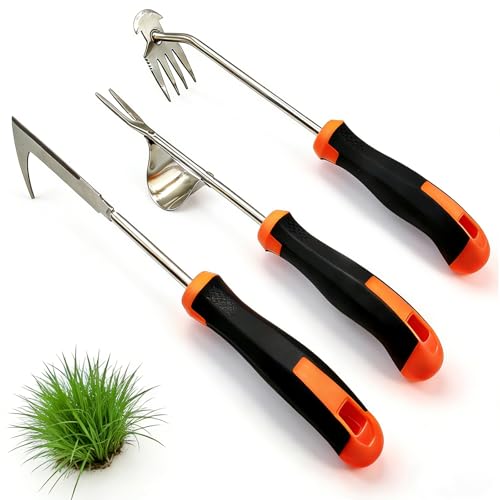
- Hand Pulling: Best after rain when soil is moist. Grasp the weed at the base and gently pull to remove the entire root system. For dandelions and tap-rooted weeds, use a weeding tool to get the whole root.
- Hoeing: A sharp hoe is excellent for slicing off weeds at the soil surface. Ideal for vegetable gardens and large beds. Use a scuffle or stirrup hoe for easy back-and-forth motion.
- Flame Weeding: Use a propane torch to briefly heat weeds until they wilt. This works well on driveways and between pavers. Do not use in dry or fire-prone conditions.
- Smothering: Cover areas with cardboard, newspaper, or landscape fabric to block light and starve weeds. This is perfect for creating new beds or pathways. Combine with thick ground cover plants to create a natural weed-suppressing layer.
For larger areas, using the right gardening tools can make manual weeding much easier. A good hoe, weeder, and kneeling pad are essential.
4. Long-Term Strategies for a Weed-Free Garden
Eliminating weeds for good requires a holistic approach. Integrate these strategies into your gardening routine:
- Improve Soil Health: Weeds thrive in compacted, poor soil. Aerate your lawn annually, add organic matter, and use aeration tools to reduce compaction. Healthy soil grows healthy plants.
- Use Landscape Fabric & Mulch: In ornamental beds, landscape fabric covered with bark or stone blocks weeds while allowing water and air to pass.
- Plant Densely: Close planting and using ground cover plants reduces bare soil where weeds love to grow. Try creeping phlox, liriope, or hostas for beautiful, weed-suppressing ground covers.
- Apply Corn Gluten Meal Seasonally: This natural pre-emergent is a game-changer for weed control in lawns and beds. Apply according to package instructions in spring and fall.
- Grow Competitive Plants: Some plants naturally suppress weeds. For example, marigolds and milkweed not only repel pests but also fill space and outcompete invaders.
5. Targeted Natural Weed Control
Different areas require different tactics. Here's how to handle weeds in specific spots:
- Lawns: For weeds in grass, maintain proper mowing, overseed thin areas, and apply corn gluten meal. If you have a St. Augustine lawn, see best liquid weed and feed for St. Augustine grass for organic options.
- Flower Beds & Shrubs: Use a combination of mulch, hand-pulling, and a sharp hoe. For beds with rhododendrons, azaleas, or ferns, ensure you're not disturbing shallow roots when weeding.
- Vegetable Gardens: Hand-pulling and hoeing are the safest methods. Use drip irrigation to water plants, not weeds, and apply straw or leaf mulch between rows.
- Patios, Walkways & Gravel: Boiling water, vinegar, or a flame weeder are highly effective. For gravel driveways, learn the best way to get rid of weeds and grass in gravel driveway.
- Under Trees: Use a thick layer of wood chips or pine needles to suppress weeds while mimicking a natural forest floor. Some acid-loving plants thrive in these conditions.
Ready to Kick Weeds for Good? With these natural strategies, you'll have a beautiful, healthy garden without chemicals. Start with prevention, attack emerging weeds with safe herbicides, and adopt long-term practices that make weeds a thing of the past. Explore our weed control category for more expert insights.
Remember, a little patience and consistent effort yield the most stunning, chemical-free results.