Acid Loving Plants: The Essential Guide for Thriving Acid-Loving Gardens
Discover the world of acid-loving plants — from vibrant azaleas and rhododendrons to delicious blueberries and elegant gardenias. Learn everything you need to create the perfect acidic soil environment and watch your acid-loving garden flourish.
🌿 What Are Acid-Loving Plants? Acid-loving plants, also known as ericaceous plants, thrive in soil with a pH between 4.5 and 6.0. These plants have adapted to absorb nutrients efficiently in acidic conditions. If your garden has naturally acidic soil or you're willing to amend it, you can grow a stunning variety of these unique and beautiful plants.
Understanding Acidic Soil: The Foundation for Acid-Loving Plants
Before you start planting acid-loving plants, it's essential to understand what acidic soil is and why it matters. Soil pH is measured on a scale from 0 to 14, with 7 being neutral. Acidic soil has a pH below 7. The ideal pH range for most acid-loving plants is 4.5–6.0. At this pH level, essential nutrients like iron, manganese, and phosphorus become more available to plant roots, ensuring vigorous growth and vibrant blooms.
If your soil is alkaline (pH above 7), you can still grow acid-loving plants by amending the soil with elemental sulfur, peat moss, or acidic organic matter. However, for long-term success, it's often easier to grow these plants in containers with specially formulated acidic potting mixes.
Top Acid Loving Plants for Your Garden
Here are some of the most popular and rewarding acid-loving plants to grow, along with their specific care requirements:
🌸 Azaleas
Known for their spectacular spring blooms in shades of pink, red, white, and purple. These shrubs are garden favorites and thrive in well-drained acidic soil.
- Soil pH: 4.5–5.5
- Sun: Partial shade to full sun (depending on variety)
- Water: Keep soil consistently moist, not waterlogged
- Fertilizer: Use fertilizer formulated for acid-loving plants
🌺 Rhododendrons
Stunning evergreen shrubs with large, showy flower clusters. Perfect for woodland gardens and shady borders, they are a must-have for acid-lovers.
- Soil pH: 4.5–6.0
- Sun: Dappled shade to partial sun
- Water: Regular watering, especially in dry periods
- Fertilizer: Acidic fertilizer, avoid high nitrogen
🫐 Blueberries
Delicious and nutritious, blueberries are one of the most rewarding edible acid-loving plants. They produce sweet, tangy berries in summer and have beautiful fall foliage.
- Soil pH: 4.5–5.5
- Sun: Full sun (6+ hours daily)
- Water: Consistent moisture, especially during fruiting
- Fertilizer: Use ammonium sulfate or acidic fertilizer
💐 Hydrangeas
Hydrangea flowers are unique because soil pH can affect their color. In acidic soil, they produce stunning blue blooms instead of pink. A true garden showstopper.
- Soil pH: 5.0–5.5 (for blue flowers)
- Sun: Morning sun, afternoon shade
- Water: Keep soil evenly moist, they are thirsty plants
- Fertilizer: Acidic fertilizer for blue hydrangeas
🌼 Gardenias
Famous for their intensely fragrant, creamy-white flowers, gardenias are a symbol of elegance. They thrive in warm climates with acidic, well-draining soil.
- Soil pH: 5.0–6.0
- Sun: Bright, indirect light to partial sun
- Water: Keep soil moist but not soggy
- Fertilizer: Use acidifying fertilizer with iron
🌸 Camellias
Camellias produce exquisite, rose-like flowers in winter and early spring. They are prized for their glossy evergreen foliage and long-lasting blooms.
- Soil pH: 5.0–6.0
- Sun: Partial to full shade
- Water: Moderate moisture, avoid standing water
- Fertilizer: Slow-release acidic fertilizer
🌿 Ferns
Many ferns thrive in acidic, moist, and shady conditions. They add lush, textural beauty to woodland gardens and are low-maintenance.
- Soil pH: 5.0–6.0
- Sun: Full to partial shade
- Water: Consistent moisture, high humidity
- Fertilizer: Light feeding with balanced fertilizer
🌾 Liriope
Also known as lilyturf, this versatile ground cover adapts well to acidic soils and tolerates a range of conditions. It's great for borders and underplanting.
- Soil pH: 5.5–6.5
- Sun: Full sun to partial shade
- Water: Drought-tolerant once established
- Fertilizer: Balanced fertilizer in spring
How to Create Acidic Soil for Acid-Loving Plants
If your soil is naturally alkaline or neutral, here are proven methods to lower the pH and create a welcoming environment for acid-loving plants:
- Elemental Sulfur: The most effective long-term solution. Apply sulfur several months before planting, as it takes time to convert to sulfuric acid in the soil. Follow package instructions for application rates based on your current pH.
- Peat Moss: Incorporate peat moss into the planting hole and surrounding soil. It's naturally acidic and improves soil structure and moisture retention.
- Acidifying Fertilizers: Use fertilizers specifically formulated for acid-loving plants (like ammonium sulfate or cottonseed meal). These provide nutrients while gradually lowering pH.
- Organic Matter: Composted oak leaves, pine needles, and coffee grounds can help acidify the soil as they decompose.
- Use Acidic Water: If you have hard water, consider using rainwater or add a few drops of white vinegar to your watering can to lower water pH.
General Care Tips for Acid-Loving Plants
💧 Watering
Most acid-loving plants prefer consistent moisture but well-drained soil. Avoid letting the soil dry out completely, but also prevent waterlogging which can cause root rot.
☀️ Sunlight
Sun requirements vary by species. Azaleas and rhododendrons often prefer dappled shade, while blueberries and hydrangeas need more sun for flowering and fruiting.
🌱 Mulching
Apply a 2–3 inch layer of organic mulch like pine bark, pine needles, or shredded oak leaves. Mulch helps maintain soil moisture, moderates temperature, and slowly acidifies the soil.
🔬 Soil Testing
Regular soil testing is crucial. Test your soil pH every 6–12 months to ensure it stays within the ideal range. Adjust your soil amendments accordingly.
Common Problems with Acid-Loving Plants & How to Fix Them
Often caused by iron deficiency in alkaline soil. Apply chelated iron or soil sulfur to lower pH. Ensure the soil is well-draining.
Usually due to underwatering, excessive sun, or salt buildup from tap water. Water deeply and mulch to retain moisture. Consider using rainwater.
Aphids, spider mites, and scale can affect acid-loving plants. Use natural pest control methods like neem oil or insecticidal soap.
Often due to insufficient sunlight, nutrient deficiency, or incorrect pruning. Use a balanced fertilizer for acid-loving plants and ensure proper pruning practices.
Companion Planting with Acid-Loving Plants
Planting acid-loving plants together can create stunning garden combinations and improve overall health. Consider pairing azaleas with ferns and hostas for a lush woodland garden. Blueberries grow well alongside rhododendrons and coral bells, creating a beautiful and productive edible landscape.
🌿 Ready to Grow Your Acid-Loving Garden?
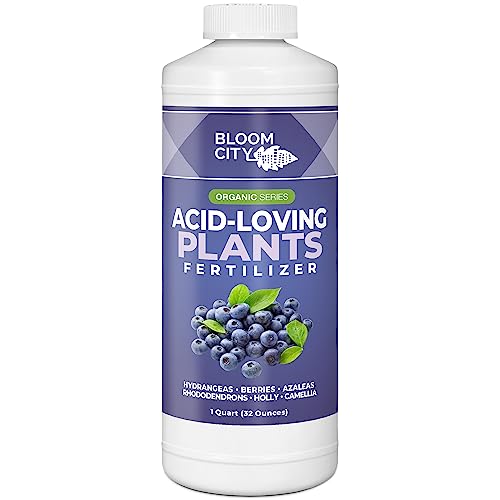
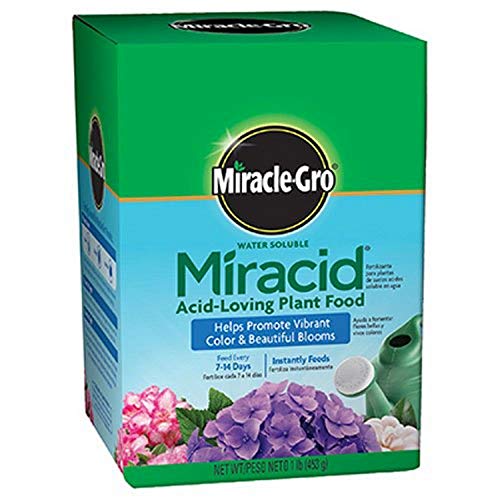
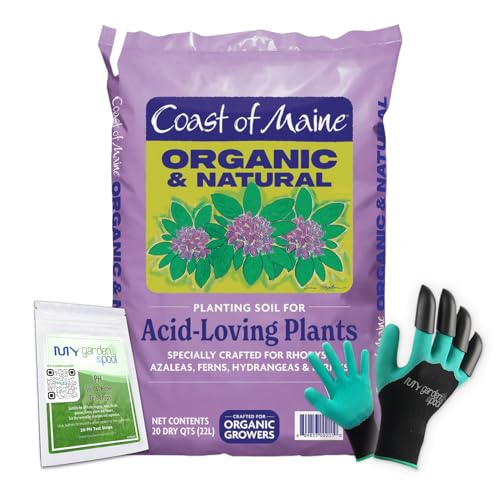
Explore our curated selection of top-rated soil amendments, fertilizers, and tools designed specifically for acid-loving plants. Get everything you need for thriving azaleas, blueberries, and more!
Shop Acid-Loving Plant SuppliesLet Gardening Inspire Your Acid-Loving Garden
Growing acid-loving plants opens up a world of beauty and bounty in your garden. From the spectacular blooms of azaleas and rhododendrons to the delicious harvest of blueberries, these plants reward careful attention with breathtaking results. By understanding their needs and providing the right acidic soil environment, you can create a garden that thrives and inspires. Let gardening be your guide as you nurture these special plants and enjoy the vibrant colors and flavors they bring to your outdoor space.
Whether you're a seasoned gardener or just starting, acid-loving plants are a wonderful addition to any landscape. Use the tips and insights from this guide to plant with confidence, and don't hesitate to experiment with different varieties to find your favorites. Remember to test your soil regularly, water consistently, and feed with acidic fertilizers to keep your plants in peak condition. Happy gardening!