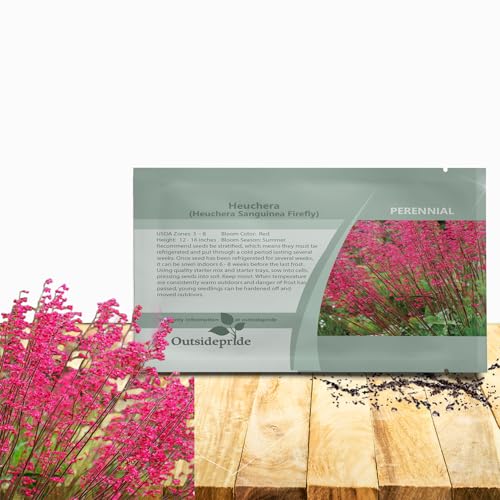
Coral Bells (Heuchera): Vibrant Foliage & Easy-Care Perennial
Let gardening inspire you with the stunning color and texture of coral bells. Whether you're a beginner or an experienced gardener, these versatile perennials add year-round interest to any garden.
Jump to Planting GuideWhy Coral Bells? Heuchera, commonly known as coral bells, are prized for their spectacular foliage in shades of purple, amber, lime, and deep burgundy. They thrive in partial shade, attract pollinators, and are deer-resistant—making them a perfect choice for low-maintenance gardens.
What Are Coral Bells?
Coral bells (Heuchera) are a genus of herbaceous perennials native to North America. They are grown primarily for their colorful, scalloped leaves that form neat mounds. In early summer, delicate bell-shaped flowers rise on slender stems, adding a soft, airy texture to the garden. These plants are incredibly versatile—they work well in borders, containers, rock gardens, and as ground cover under trees.
With hundreds of cultivars available, you can find coral bells in nearly every color imaginable. They are hardy in zones 4–9 and can tolerate a range of conditions, though they prefer well-draining soil and partial shade.
Popular Coral Bells Varieties
🍇 Purple & Burgundy
- 'Palace Purple' – Deep purple leaves, classic choice.
- 'Obsidian' – Nearly black, glossy foliage.
- 'Forever Purple' – Rich purple with ruffled edges.
🌿 Lime & Gold
- 'Lime Rickey' – Bright lime-green, ruffled leaves.
- 'Citronelle' – Golden-yellow foliage, compact.
- 'Caramel' – Warm amber, changes color with seasons.
🌸 Pink & Peach
- 'Peach Flambe' – Peach to rose-red, heat tolerant.
- 'Southern Comfort' – Copper-pink with silver veins.
- 'Berry Smoothie' – Rose-pink, very showy.
🌱 Silver & Variegated
- 'Silver Scrolls' – Silver-gray with purple veins.
- 'Paris' – Green with silver marbling.
- 'Midnight Rose' – Dark with pink spots.
How to Plant & Care for Coral Bells
Let gardening be easy with these straightforward care tips. Coral bells are low-maintenance, but giving them the right start ensures years of vibrant color.
📍 Location & Light
Most coral bells prefer partial shade, especially in hot climates. Morning sun with afternoon shade is ideal. In cooler regions, they can tolerate more sun. Foliage color may vary with light exposure—darker varieties often hold their color better in shade.
If you're looking for other shade plants that attract hummingbirds and butterflies, coral bells are a great addition to a pollinator-friendly garden.
🌱 Soil & Planting
Plant in well-draining, humus-rich soil with a pH between 6.0 and 7.0. Space plants 12–18 inches apart to allow for mature spread. Amend heavy clay with compost or aged manure. Water deeply after planting and keep soil evenly moist (not waterlogged) during the first growing season.
For a complete list of acid-loving plants that pair well with coral bells, check our companion guide.
💧 Water & Fertilizer
Water regularly during dry spells, but allow the soil to dry slightly between waterings. Overwatering can cause root rot. Apply a balanced, slow-release fertilizer in early spring, and top-dress with compost in fall. Avoid high-nitrogen fertilizers, which can reduce foliage color intensity.
✂️ Pruning & Maintenance
Trim spent flower stems to encourage a tidy appearance. In late winter or early spring, cut back old, tattered leaves to make way for fresh growth. Divide clumps every 3–4 years to rejuvenate the plant and maintain vigor.
If you enjoy growing perennials, you might also like hostas or astilbe for similar shade conditions.
Landscaping with Coral Bells
Coral bells are incredibly versatile in the landscape. Use them to create striking color contrasts, soften borders, or add texture to woodland gardens. Their low, mounding habit makes them excellent ground cover plants for shady areas.
Pair them with ferns, bleeding heart, or hostas for a lush, layered look. For sunny spots, try combining them with creeping phlox or liriope to create dynamic texture.
✨ Design Ideas
- Underplanting for shrubs
- Edging along pathways
- Container displays
- Rock gardens
- Mass plantings for impact
Common Pests & Problems
Coral bells are generally trouble-free, but they can occasionally face issues. Here’s what to watch for:
- Rust – Orange spots on leaves; remove affected foliage and improve air circulation.
- Powdery mildew – White coating; treat with fungicide or neem oil.
- Vine weevils – Notch leaf edges; use biological control or insecticidal soap.
- Root rot – Caused by overwatering; ensure well-draining soil.
For natural solutions, check our guide on natural pest control methods to keep your garden healthy without harsh chemicals.
Winter Care & Overwintering
Coral bells are hardy in most zones, but they benefit from a layer of mulch (2–3 inches) over the crown in late fall to protect against freeze-thaw cycles. In colder regions (zone 4–5), avoid cutting back foliage until spring, as the leaves act as natural insulation. For container-grown plants, move them to a sheltered spot or wrap the pot in insulating material.
Learn more about overwintering strategies for your perennials to ensure they return stronger each year.
Frequently Asked Questions
Do coral bells need full sun?
Not usually. They prefer partial shade, though some varieties tolerate more sun in cooler climates. Morning sun with afternoon shade is ideal.
Are coral bells deer resistant?
Yes! They are considered deer-resistant and also rabbit-resistant, making them a great choice for gardens with wildlife.
Can I grow coral bells in containers?
Absolutely. They thrive in pots and make excellent patio accents. Ensure the container has drainage holes and use a quality potting mix.
When is the best time to plant coral bells?
Spring or fall is best. This allows roots to establish before extreme summer heat or winter cold sets in.
Let gardening inspire you — coral bells are the perfect starting point for a colorful, low-maintenance garden. With their vibrant leaves and easy care, they bring beauty season after season. Explore our recommendations below to find the best tools and supplies for your garden.