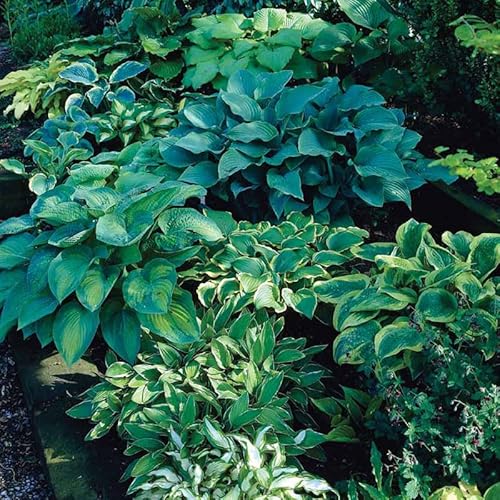
Hostas: The Complete Guide to Growing Lush, Leafy Shade Gardens
Hostas are the workhorses of the shade garden — reliable, elegant, and endlessly varied. Whether you are planting your first hosta or expanding a mature collection, this guide covers everything from site selection and soil preparation to division, pest control, and the best varieties for every garden tier.
START GROWING HOSTASWhy Hostas Belong in Every Shade Garden
Hostas (Hosta spp.) are herbaceous perennials prized for their bold, textured foliage and their ability to thrive where many other plants struggle — in shade. Native to East Asia, hostas have become one of the most popular ornamental plants in North American and European gardens, with thousands of registered cultivars ranging from tiny rock-garden gems to massive specimens with leaves the size of dinner plates.
What makes hostas so valuable to gardeners is their dual role: they are both structural backbone and decorative highlight. Their leaves come in an extraordinary range of colors — from deep blue-green to chartreuse, from solid emerald to variegated cream-and-green — and their textures range from smooth and glossy to deeply puckered and corrugated. In midsummer, many varieties send up tall scapes of lavender or white flowers that attract pollinators.
Hostas pair beautifully with other shade-loving plants such as hydrangeas, ferns, and green velvet boxwood. They also work well as underplantings beneath dogwood trees and Bloodgood Japanese maples, where their broad leaves contrast with finer foliage. If you are building a shade garden from scratch, hostas should be among your first plantings.
Key takeaway: Hostas are low-maintenance, long-lived perennials that reward minimal effort with decades of reliable foliage color. A single healthy clump can live for 20 years or more with proper care.
How to Plant Hostas Correctly
Getting your hostas off to a strong start begins with site selection and soil preparation. Hostas are forgiving, but they perform best when given the right conditions from day one.
Light Requirements
Most hostas prefer partial to full shade, though the exact requirement depends on the variety and your climate. In cooler northern gardens, many hostas tolerate morning sun as long as they are protected from harsh afternoon rays. In hot southern climates, even sun-tolerant varieties benefit from dappled shade during the hottest part of the day. Blue-leaved hostas in particular tend to lose their waxy bloom — and therefore their blue color — when exposed to too much direct sun.
If you are unsure about the light levels in your garden, observe the area across a full day before planting. A site that receives three to four hours of morning sun and shade for the rest of the day is ideal for most varieties.
Soil Preparation
Hostas thrive in rich, well-draining soil with plenty of organic matter. Before planting, work a generous layer of compost or aged manure into the top 8 to 12 inches of soil. Aim for a pH between 6.0 and 7.5. If your soil is heavy clay, amend it with compost and coarse sand to improve drainage — hostas dislike waterlogged roots.
For gardeners using raised beds, hostas make excellent candidates. If you are constructing new beds, see our guides on DIY garden beds and ideas for raised garden beds.
Planting Steps
- Dig a hole about twice as wide as the root ball but no deeper than the root ball itself.
- Set the plant so the crown (where leaves emerge) sits at or just slightly above soil level. Planting too deep can cause crown rot.
- Backfill with amended soil, firm gently to remove air pockets, and water thoroughly.
- Apply a 2- to 3-inch layer of organic mulch around the plant, keeping mulch away from the crown.
- Water deeply once a week during the first growing season to help the roots establish.
Spacing tip: Give each hosta room to reach its mature spread. A small variety may need 12 to 18 inches, while large cultivars can spread 4 to 6 feet across. Crowding leads to poor air circulation and increased disease risk.
Essential Hosta Care & Maintenance
Once established, hostas are remarkably low-maintenance. A few routine practices will keep them healthy and vigorous for years.
Watering
Hostas prefer consistently moist soil. During the growing season, water deeply once or twice a week, depending on rainfall and soil type. Aim for about an inch of water per week. Water in the morning so leaves have time to dry before evening, which helps prevent fungal problems. A drip irrigation system is an excellent investment for shade gardens, delivering water directly to the roots without wetting the foliage.
Fertilizing
Apply a balanced slow-release fertilizer in early spring as new growth emerges. Avoid over-fertilizing, which can cause excessive leaf growth at the expense of plant vigor. A light topdressing of compost in spring is often sufficient for established clumps.
Mulching
An organic mulch such as shredded bark, leaf mold, or compost helps retain moisture, suppress weeds, and moderate soil temperature. Reapply mulch annually in spring. See our composting guide for making your own nutrient-rich mulch at home.
Deadheading and Cleanup
Remove spent flower scapes after blooming to redirect energy back to the foliage. In late fall, after the first frost has knocked back the leaves, cut back the foliage to the ground and remove debris to reduce overwintering pests and diseases.
Pro tip: Hostas benefit from a layer of mulch year-round, but be especially careful in winter to keep mulch away from the crown to prevent rot during freeze-thaw cycles.
Choosing the Best Hosta Varieties
With thousands of registered cultivars, hostas offer something for every garden situation. When selecting varieties, consider mature size, leaf color, sun tolerance, and your climate. Below is a curated selection organized by garden tier to help you choose with confidence.
Hosta 'Patriot'
A dependable variegated hosta with dark green leaves and crisp white margins. Vigorous, easy to grow, and tolerant of a range of conditions. Excellent for beginners.
Hosta 'Gold Standard'
Chartreuse-gold leaves with irregular green margins. Fast-growing and adaptable, this classic variety brightens shady corners and tolerates more sun than many hostas.
Hosta 'Blue Angel'
A large, dramatic hosta with deeply corrugated blue-green leaves. Makes a bold statement in the shade border and pairs beautifully with ferns and astilbes.
Hosta 'Frances Williams'
One of the most famous hostas, with large blue-green leaves and wide golden margins. Slightly slower to establish but spectacular once mature.
Hosta 'Sum and Substance'
A giant among hostas, with chartreuse to gold leaves that can reach 18 inches across. Impressive specimen plant for large shade gardens.
Hosta 'June'
Award-winning cultivar with blue-green leaves and irregular chartreuse centers. Sun-tolerant, slug-resistant, and consistently rated among the best hostas.
Hosta 'Empress Wu'
The largest hosta cultivar available, with leaves up to 2 feet wide on mature clumps reaching 4 feet tall. A true collector's plant for spacious shade gardens.
Hosta 'Victory'
A spectacular large hosta with heavily corrugated green leaves and wide creamy margins. Slow-growing but unmatched as a specimen focal point.
Variety Comparison at a Glance
| Variety | Mature Size | Leaf Color | Sun Tolerance | Best Use |
|---|---|---|---|---|
| Patriot | Medium (18–24 in.) | Green with white edge | Partial shade | Borders, mass planting |
| Gold Standard | Medium (24–30 in.) | Chartreuse with green edge | Sun to partial shade | Brightening shade beds |
| Blue Angel | Large (36–48 in.) | Blue-green, corrugated | Full to partial shade | Specimen, background |
| Frances Williams | Large (30–36 in.) | Blue-green with gold edge | Partial shade | Focal point |
| Sum and Substance | Large (36–48 in.) | Chartreuse to gold | Sun to partial shade | Dramatic specimen |
| June | Medium (24–30 in.) | Blue-green with chartreuse center | Partial sun | Mixed borders |
| Empress Wu | Very large (48+ in.) | Dark green, huge | Partial shade | Statement specimen |
| Victory | Large (36–48 in.) | Green with cream edge | Partial shade | Focal point, collectors |
For a deeper look at the species and its close relatives, see our dedicated hosta species guide. If you are also planning a shade garden with other foliage plants, our guide to big plants that don't need a lot of light and hanging plants that don't need a lot of light will help you build a complete planting palette.
Pest & Disease Management
Hostas are generally pest-resistant, but a few common problems can affect their appearance and vigor. Early detection and preventive practices are the keys to healthy plants.
Slugs and Snails
Slugs are the most notorious hosta pest, chewing irregular holes in leaves, especially during wet spring weather. Manage them with a combination of cultural and biological controls: reduce mulch depth near the crown, water in the morning, encourage natural predators such as birds and ground beetles, and use organic slug baits containing iron phosphate where pressure is high. See our guide to natural pest control for more strategies.
Deer
In areas with heavy deer pressure, hostas are often browsed to the ground. Fencing is the most reliable defense. Repellent sprays can help but require reapplication after rain. If deer are a chronic problem, consider planting deer-resistant shade perennials that bloom all summer alongside your hostas to diversify the garden's resilience.
Fungal Diseases
Hostas can develop leaf spot, anthracnose, and crown rot in poorly drained or overly wet conditions. Ensure good air circulation, avoid overhead watering in the evening, and remove affected leaves promptly. Crown rot is often fatal and is best prevented by planting at the correct depth and avoiding waterlogged soil.
Hosta Virus X
Hosta virus X (HVX) is a serious viral disease that causes mottled, distorted foliage. There is no cure. Infected plants should be removed and destroyed immediately to prevent spread. Always purchase hostas from reputable suppliers and inspect plants carefully before planting.
Integrated pest management: Combine cultural practices (proper spacing, morning watering, clean fall cleanup) with biological controls (predators) and, only when necessary, targeted organic treatments. This approach keeps pests below damaging levels without harming beneficial insects.
Dividing and Propagating Hostas
Dividing hostas is the easiest way to multiply your collection and rejuvenate overgrown clumps. The best time to divide is in early spring as new shoots emerge, or in late summer after the heat of the season has passed. Avoid dividing during the peak of summer heat or in late fall when plants need time to establish before frost.
Step-by-Step Division
- Water the plant thoroughly the day before dividing to soften the soil and hydrate the roots.
- Dig around the entire clump with a garden fork, working well beyond the drip line to capture the full root system.
- Lift the clump and shake off excess soil so you can see the roots and shoots clearly.
- Use a sharp knife or spade to cut the clump into sections, each with at least three to five shoots and a healthy portion of roots.
- Replant divisions immediately at the same depth as the original clump, water well, and mulch.
- Keep newly divided plants well-watered for the first season.
Hostas can also be grown from seed, though cultivars do not come true from seed and seedlings may vary significantly from the parent. Division is the preferred method for maintaining named varieties.
Designing with Hostas
Hostas are versatile design elements. Their bold foliage provides contrast with fine-textured plants such as ferns and ornamental grasses, and their varied colors can be used to create rhythm and depth in the shade border.
Design Principles
- Contrast: Pair broad hosta leaves with lacy ferns, astilbes, or fine ornamental grasses.
- Color echoes: Repeat chartreuse hostas with chartreuse heucheras or golden hakone grass to create visual flow.
- Layering: Use large hostas at the back of the border, medium varieties in the middle, and small or miniature hostas near the front edge or in rock gardens.
- Container planting: Hostas perform well in containers, especially in small gardens or patios. Use faceted modern fiberstone planters for a contemporary look.
For inspiration on integrating hostas into a broader landscape design, see our front yard landscaping ideas and driveway landscaping guides. Hostas also work well in rock gardens when paired with small varieties.
Ready to Build Your Shade Garden?
Start with healthy hostas from a trusted supplier, prepare your soil properly, and let these reliable perennials do the rest. Your shade garden will reward you for decades.
EXPLORE MORE SHADE PLANTSFrequently Asked Questions About Hostas
How much sun can hostas tolerate?
Most hostas prefer partial to full shade, but the exact tolerance varies by variety and climate. In cooler regions, many hostas handle morning sun well as long as they are protected from harsh afternoon rays. Blue-leaved varieties tend to fade in too much sun, while gold and chartreuse varieties often tolerate more light. In hot climates, provide dappled shade during the hottest part of the day.
When is the best time to plant hostas?
Spring and early fall are the best times to plant hostas. In spring, plant as new shoots emerge. In early fall, plant at least six weeks before the first expected frost so roots can establish. Avoid planting during the heat of summer unless you can provide consistent moisture and shade.
How often should I water hostas?
Water deeply once or twice a week during the growing season, aiming for about an inch of water per week from rain and irrigation combined. Water in the morning to allow foliage to dry before evening. Established hostas are moderately drought-tolerant but perform best with consistent moisture.
Why are my hosta leaves turning yellow?
Yellowing leaves can indicate several issues: too much sun, poor drainage, overwatering, nutrient deficiency, or natural aging of older leaves. Check soil moisture first — soggy soil often leads to root rot and yellowing. If the plant is in too much sun, consider moving it or providing shade. Older outer leaves naturally yellow and die back as part of the plant's normal growth cycle.
Do hostas come back every year?
Yes. Hostas are herbaceous perennials that die back to the ground in winter and re-emerge in spring. With proper care, a single clump can live for 20 years or more. In colder climates, the foliage dies back after the first hard frost; in milder climates, some foliage may persist through winter.
How do I protect hostas from slugs?
Combine cultural and biological controls: water in the morning, reduce deep mulch near the crown, encourage natural predators like birds and ground beetles, and use organic iron-phosphate slug baits when pressure is high. Hand-picking after rain or in the evening is also effective in small gardens. For more natural pest control strategies, see our natural pest control guide.
Can hostas grow in containers?
Yes, hostas grow well in containers, especially small and miniature varieties. Use a high-quality potting mix with good drainage, water regularly (containers dry out faster than garden soil), and protect containers from freezing in winter. Container-grown hostas benefit from a layer of mulch over the soil surface.