Plants That Deer and Rabbits Don’t Eat
Create a beautiful, worry-free garden by choosing plants that deer and rabbits naturally avoid. Discover top perennials, shrubs, and flowers that these critters won’t touch.
If you live in an area with high deer or rabbit populations, you know the frustration of waking up to nibbled flowers and destroyed shrubs. The good news: many gorgeous plants are naturally deer- and rabbit-resistant. These plants have strong scents, tough textures, or toxic compounds that make them unappealing to browsers. By choosing the right species, you can enjoy a lush, colorful garden without constant damage.
In this guide, we’ll share the best deer- and rabbit-proof plants, from deer-resistant perennials that bloom all summer to tough shrubs and ground covers. We’ll also explain why these plants work and how to design a garden that stays beautiful from spring to fall.
Top Deer & Rabbit Resistant Plants
Lavender
Highly fragrant and ornamental, lavender's strong scent repels deer and rabbits. It thrives in full sun and well-drained soil, attracting pollinators while keeping pests away.
deer & rabbit proofRussian Sage
This tough perennial produces airy purple flowers and silvery foliage. Deer and rabbits avoid its aromatic leaves. It's drought-tolerant and blooms from mid-summer to fall.
deer & rabbit proofBoxwood
Evergreen and versatile, boxwood is a classic hedge plant that deer and rabbits rarely touch. Its dense, leathery leaves are unappealing to grazers.
deer & rabbit resistantBleeding Heart
These shade-loving perennials produce heart-shaped pink or white flowers. Deer and rabbits avoid them due to their toxic alkaloids. Great for woodland gardens. Learn more about Bleeding Heart.
deer & rabbit proofFerns
Ferns are a safe bet for shady areas. Their fronds are unpalatable to deer and rabbits. Try different fern varieties for texture and greenery.
deer & rabbit resistantAstilbe
With feathery plumes in pink, red, or white, astilbe thrives in shade and moist soil. Its ferny foliage is not preferred by deer or rabbits. Astilbe care guide.
deer & rabbit resistantRhododendrons & Azaleas
These broadleaf evergreens produce stunning spring blooms. Their leaves contain grayanotoxins, making them toxic to deer and rabbits. Rhododendron varieties and azalea care.
deer & rabbit proofCreeping Phlox
This low-growing ground cover forms a carpet of pink, blue, or white flowers in spring. Deer and rabbits tend to ignore it, making it ideal for slopes and borders. Planting creeping phlox.
deer & rabbit resistantLiriope
Also known as lilyturf, this grass-like perennial is tough, drought-tolerant, and ignored by deer and rabbits. Great for edging and ground cover. Liriope growing tips.
deer & rabbit proofMilkweed
Essential for monarch butterflies, milkweed is also deer- and rabbit-resistant due to its milky sap. It's a must-have for pollinator gardens. Milkweed planting guide.
deer & rabbit resistantDesigning a Deer & Rabbit Resistant Garden
Layering & Diversity: Plant a mix of textures and scents. Use strongly aromatic plants like lavender and sage near more vulnerable species. Include deer-resistant perennials as your backbone, and fill gaps with spring bulbs or annuals that are also unappealing.
Borders & Barriers: Create a perimeter of deer- and rabbit-proof plants. For example, boxwood hedges or Russian sage along the edge of your garden can deter entry.
Seasonal Strategy: While many resistant plants bloom in summer, you can extend interest with spring-blooming bulbs like daffodils and alliums, which are also avoided by these animals. In fall, ornamental grasses and hardy mums add color without attracting browsers.
Companion Planting: Integrate plants that attract pollinators while also choosing varieties that are naturally resistant. This supports biodiversity while protecting your investment.
Additional Tips for Protecting Your Garden
Physical Barriers
Fencing is the most reliable method. A 6–8 foot deer fence or a 2-foot rabbit barrier can protect prized plants. For smaller areas, use cloches or netting.
Repellents
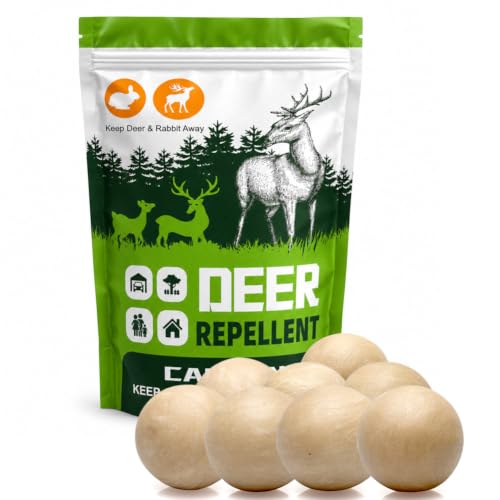
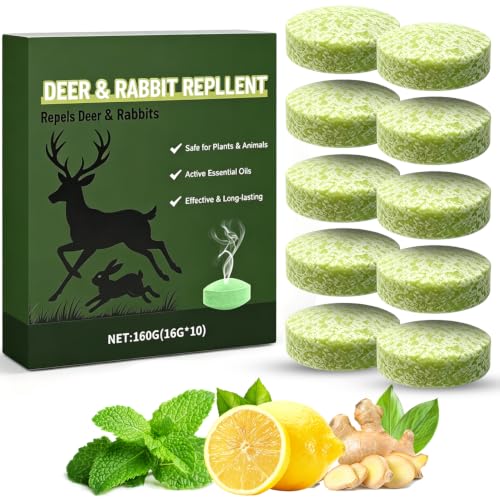
Apply natural repellents like garlic, chili, or predator urine. Rotate products to prevent habituation. Always follow label directions for safety.
Habitat Modification
Remove brush piles and tall weeds where rabbits hide. Clear fallen fruit and seeds that attract deer. Keep your garden clean and open.
Planting in Containers
Elevate vulnerable plants in containers on patios or decks. This can deter rabbits and make it harder for deer to reach. Plus, it adds flexibility to your garden design.
Frequently Asked Questions
What plants do deer and rabbits hate the most?
Deer and rabbits generally avoid plants with strong scents (lavender, sage), fuzzy or tough leaves (lamb's ear, boxwood), and toxic compounds (bleeding heart, rhododendrons).
Are there any deer-resistant perennials that bloom all summer?
Yes! Many deer-resistant perennials provide long bloom periods. Consider this curated list of perennials that stay colorful while deterring deer.
Can I use these plants in a shade garden?
Absolutely. Many deer- and rabbit-resistant plants like ferns, bleeding heart, astilbe, and rhododendrons thrive in shade. They are perfect for shade garden designs.
Do deer and rabbits eat hostas?
Hostas are a favorite snack for deer and rabbits. If you love hostas, consider planting them in protected areas or using repellents. Alternatively, choose hosta varieties that are slightly more resistant, but always expect some browsing.