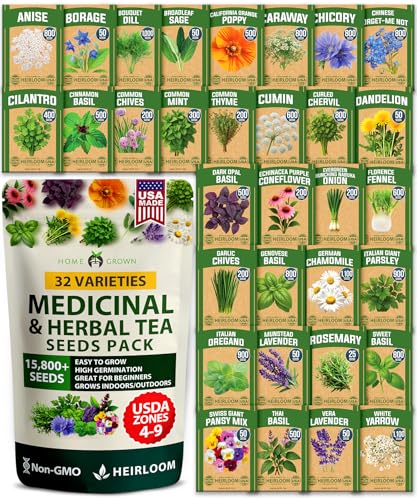
Medicinal Plants: Your Complete Guide to Growing Natural Healing at Home
Cultivate nature's pharmacy right in your backyard. Discover the essential medicinal herbs that heal, soothe, and restore—along with expert growing advice and harvesting techniques for potent, effective remedies.
EXPLORE HEALING GARDEN SUPPLIESWhy Grow Medicinal Plants? From calming chamomile to immune-boosting echinacea, medicinal plants have served humanity for thousands of years. Modern research continues to validate what traditional healers have always known. By growing your own apothecary garden, you gain access to fresh, potent remedies at a fraction of the cost—plus the satisfaction of true self-reliance. Let gardening be your path to natural wellness.
Why Grow Your Own Medicinal Herb Garden?
Purity & Potency
Homegrown medicinal plants contain higher concentrations of active compounds because you harvest them at peak freshness, with zero pesticides or questionable processing methods.
Exceptional Value
A single echinacea plant produces enough roots, leaves, and flowers for a year's supply of tinctures—for less than the cost of one commercial bottle from the store.
Sustainable Wellness
Reduce pressure on wild plant populations while building a resilient, diverse ecosystem that supports pollinators, birds, and beneficial insects in your garden.
Deep Knowledge
Growing your own medicinal plants transforms you from consumer to cultivator. Master soil needs, harvest timing, and preparation methods that maximize therapeutic benefits.
Six Essential Medicinal Plants Every Healing Garden Needs
These powerhouse plants combine proven therapeutic value with beginner-friendly growing requirements. Each thrives across diverse climates and provides multiple harvests throughout the growing season.
Echinacea
Echinacea purpureaPerhaps the most researched medicinal plant for immune support. Echinacea stimulates white blood cell production and may shorten cold duration by 1-4 days according to multiple clinical studies.
Preparation: Roots harvested in fall from year 3 onward make the strongest tinctures. Use a 1:5 ratio in 40% alcohol. Leaves and flowers work best as a gentle tea or glycerite for children.
Chamomile
Matricaria chamomillaThe ultimate calming herb. Chamomile's apigenin compound binds to brain receptors, promoting relaxation and sleep. Also excellent for digestive complaints and skin inflammation.
Preparation: Dried flowers make the classic calming tea. For sleep, steep 2-3 teaspoons in hot water for 10 minutes covered. Also excellent in tinctures and infused oils for skin care.
Peppermint
Mentha × piperitaMuch more than a culinary herb. Peppermint oil relieves IBS symptoms in up to 75% of patients in clinical trials. The menthol content also eases tension headaches when applied topically.
Preparation: Fresh leaves for digestive tea steeped 5-7 minutes. Essential oil for topical use must always be diluted with a carrier oil. Tincture from fresh leaves captures the full volatile oil profile.
Calendula
Calendula officinalisNature's skin healer. Calendula stimulates tissue regeneration and fights infection. Used extensively in Europe in wound care products that meet rigorous pharmaceutical standards.
Preparation: Infused oil is the most versatile preparation. Fill a jar with dried flowers, cover completely with olive oil, and steep for 4-6 weeks. Use as-is or turn into salves and creams.
Holy Basil (Tulsi)
Ocimum sanctumAn adaptogenic superstar in Ayurvedic medicine. Tulsi helps your body adapt to stress, balances cortisol levels, and supports healthy blood sugar regulation naturally.
Preparation: Daily tea from fresh leaves is the traditional Ayurvedic approach. Make tinctures using a 1:2 ratio with 50% alcohol from fresh herb for concentrated stress support.
Lavender
Lavandula angustifoliaClinical aromatherapy research confirms lavender oil's ability to reduce anxiety and improve sleep quality. The flowers also possess antimicrobial and mild analgesic properties.
Preparation: Dried buds for sachets and sleep pillows. Distilled or infused oil for aromatherapy and topical application. Culinary-grade buds add unique flavor to edible creations and desserts.
From Garden to Remedy: Processing Your Medicinal Plants
Proper preparation makes all the difference between a pleasant tea and a therapeutically effective remedy. Here's how to transform fresh garden herbs into potent, long-lasting medicines.
-
Harvesting at Peak Potency
Medicinal compound levels fluctuate throughout the day and growing season. Harvest leafy herbs mid-morning after dew dries but before heat dissipates essential oils. Harvest roots in late fall when plants have stored maximum energy. Flowers should be picked just as they open fully for highest active compound concentration.
-
Drying for Long-Term Storage
Hang small bunches upside-down in a dark, well-ventilated space at 95-100°F. Avoid direct sunlight which rapidly degrades active compounds. Properly dried herbs should crumble easily but retain vibrant color. Store in airtight glass jars away from light. Most dried herbs maintain good potency for 6-12 months.
-
Making Tinctures (Alcohol Extracts)
Tinctures concentrate and preserve medicinal properties for 3-5 years. The basic formula: fill a jar halfway with chopped fresh herb or one-third full with dried herb, cover completely with 80-100 proof vodka, seal tightly, and steep 4-6 weeks shaking daily. Strain through cheesecloth, bottle in amber glass, and label with date and plant name.
-
Creating Herbal Infused Oils
This gentle method is ideal for skin-healing herbs like calendula. Completely dry your herbs first—any moisture invites spoilage and mold. Fill a clean jar with dried herb, cover with high-quality olive oil, and place in a warm spot for 4-6 weeks. For faster results, use a double-boiler on lowest heat setting for 2-3 hours.
-
Crafting Salves & Balms
Transform infused oils into portable, mess-free salves. Combine 1 cup of your infused oil with 1-2 tablespoons of beeswax pellets in a double boiler. Heat gently until wax melts completely. Pour into clean tins or jars. Adjust wax amount for desired consistency—more wax equals firmer balm. Add essential oils at the final cool-down stage.
-
Brewing Therapeutic Teas (Infusions & Decoctions)
For medicinal-strength infusions, use more herb and longer steeping than casual tea. Standard ratio: 1-2 teaspoons dried herb or 2-3 teaspoons fresh per cup of just-boiled water. Cover while steeping to trap volatile oils. Steep leaves and flowers 10-15 minutes. Roots and barks need 20-30 minutes of gentle simmering called a decoction.
Medicinal Plant Quick Comparison Chart
Choose the right plants for your garden conditions and wellness goals with this at-a-glance reference guide.
| Plant | Sun Needs | Water Needs | Hardiness Zones | Parts Used | Primary Uses |
|---|---|---|---|---|---|
| Echinacea | Full Sun | Low-Moderate | 3-9 | Roots, leaves, flowers | Immune support, cold, flu |
| Chamomile | Full Sun | Moderate | 2-9 | Flowers | Sleep aid, digestion, calming |
| Peppermint | Full-Part Sun | Moderate-High | 3-11 | Leaves | Digestive relief, headaches |
| Calendula | Full Sun | Moderate | 2-11 (annual) | Flowers | Skin healing, wound care |
| Holy Basil | Full Sun | Moderate | 10-11 (perennial) | Leaves | Stress relief, adaptogen |
| Lavender | Full Sun | Low | 5-9 | Flowers | Calming, sleep, skin health |
Start Your Healing Garden Today
You don't need acres of land or years of experience. Even a small balcony with three pots can produce meaningful quantities of medicinal herbs. Start with chamomile, peppermint, and calendula—three forgiving plants that provide immediate usefulness and encourage your confidence. As your skills grow, expand into echinacea and other perennials that require more patience but reward you for years to come.
Consider integrating your medicinal herbs into a broader herb garden design alongside culinary herbs for a beautiful, functional space that nourishes both body and soul. With proper soil preparation and consistent care, your healing garden will flourish season after season.
Pro Tip from Herbalists: Label everything meticulously from day one. Document planting dates, harvest times, and preparation methods in a garden journal. Over time, you'll develop an intimate understanding of how your specific microclimate affects medicinal potency. This knowledge becomes invaluable as your home apothecary grows. Remember that many medicinal plants also attract butterflies and pollinators, making your healing garden an ecological asset as well.