Pergola Ideas: Design, Materials & Style Guide for Your Garden
Transform your outdoor space with a beautiful pergola. Explore design inspiration, material comparisons, shade solutions, and practical advice to create the perfect garden retreat.
Explore Pergola DesignsWhy a Pergola? A pergola is more than just a garden structure — it defines an outdoor room, adds architectural interest, and creates a comfortable transition between your home and garden. Whether you want a shaded dining area, a romantic vine-covered walkway, or a modern focal point, the right pergola idea can transform your outdoor living space. This guide covers everything you need to know before choosing your perfect pergola.
Pergola Design Styles to Inspire Your Garden
The style of your pergola should complement your home's architecture and your personal taste. From classic to contemporary, here are the most popular design approaches to consider.
Traditional Wood Pergola
Classic wood pergolas bring warmth and natural beauty to any garden. Cedar and redwood are popular choices for their natural rot resistance. Traditional designs often feature decorative brackets, turned posts, and intricate rafter tails. These structures pair beautifully with climbing roses, wisteria, and grapevines for a romantic, cottage-garden feel.
Modern Minimalist Pergola
Clean lines, geometric shapes, and sleek materials define modern pergolas. Aluminum and steel frames with minimal ornamentation create a contemporary look that suits modern homes. Flat or low-pitch roofs with evenly spaced slats provide partial shade while maintaining an open, airy feel. Pair with modern outdoor lighting for evening ambiance.
Attached vs. Freestanding
Attached pergolas connect directly to your home, extending your living space seamlessly and providing shade near your back door. Freestanding pergolas offer flexibility in placement and can define separate zones in your garden. Consider your patio design layout and how the pergola will integrate with existing structures before deciding.
Vine-Covered Garden Pergola
Let nature be your roof! A pergola covered in climbing plants creates a living canopy that provides natural shade and stunning seasonal interest. Choose climbing roses, clematis, wisteria, or grapevines. Ensure your pergola structure is sturdy enough to support mature vines and their water weight. This approach pairs beautifully with pergola canopy covers for additional shade control.
Choosing the Right Pergola Materials
The material you choose affects durability, maintenance requirements, and overall aesthetic. Here is a comparison of the most common pergola materials to help you make an informed decision.
| Material | Durability | Maintenance | Best For |
|---|---|---|---|
| Cedar & Redwood | High — naturally rot-resistant | Low to moderate — annual sealing recommended | Traditional and natural garden styles |
| Pressure-Treated Pine | Moderate — requires protection | Moderate — regular staining or painting | Budget-friendly projects |
| Aluminum | Very high — rust-resistant when powder-coated | Very low — occasional cleaning | Modern designs and low-maintenance gardens |
| Vinyl | High — won't rot or warp | Very low — soap and water cleaning | Homeowners wanting zero-maintenance structures |
| Steel | Very high — extremely strong | Low — powder-coated versions resist rust | Large spans and contemporary designs |
Shade Solutions and Canopy Options
One of the primary reasons homeowners install a pergola is to create shade. The open-lattice design of a traditional pergola provides partial shade, but you can customize your shade level with various canopy options.
- Retractable Canopy: A fabric canopy on a track system lets you adjust shade throughout the day. Ideal for those who want flexibility between sun and shade. Look for outdoor retractable pergolas with sun shade canopies for a ready-made solution.
- Fixed Fabric Cover: A permanently attached fabric or mesh cover provides consistent shade and UV protection. Choose fade-resistant, weatherproof fabrics for longevity.
- Louvered Roof: Adjustable louvers let you control sunlight and ventilation with the turn of a handle or remote. These premium systems offer the ultimate in versatility and are popular in high-end outdoor living designs.
- Climbing Plants: A living canopy of vines offers natural shade and beauty. Deciduous vines provide shade in summer and let sunlight through in winter — a perfect natural solution.
- Pergola Canopy Cover: For a quick, budget-friendly solution, a pergola canopy cover can be attached to an existing structure to provide instant shade and privacy.
Placement Ideas and Outdoor Integration
Where you place your pergola and how you integrate it with your landscape determines how much you will use and enjoy it. Here are some inspiring placement ideas for different areas of your property.
Over a Patio or Deck
Extend your living space by placing a pergola over an existing patio or deck. This creates a defined outdoor dining or lounging area protected from harsh midday sun. Pair with patio furniture and an outdoor fireplace for year-round enjoyment.
Garden Pathway or Walkway
A series of connected pergolas over a garden path creates a dramatic, romantic tunnel effect. This works especially well with climbing roses or wisteria. Use outdoor lighting to illuminate the pathway at night.
Poolside Retreat
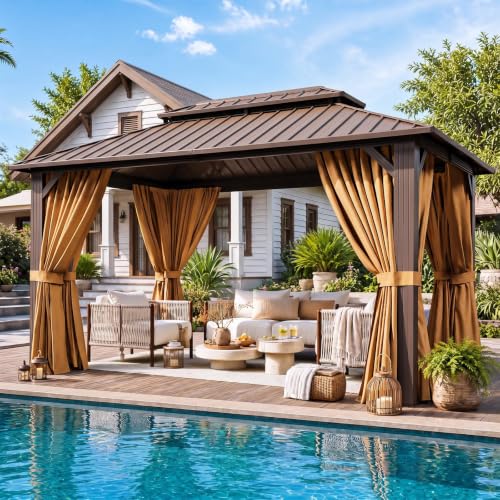
A pergola beside or over a pool area provides shade for lounging and a natural gathering spot. Choose moisture-resistant materials like aluminum or vinyl for poolside installations. Add outdoor rugs and comfortable seating to complete the retreat.
Hot Tub or Spa Enclosure
Create a private, shaded oasis around your hot tub with a pergola. The open design allows steam to escape while providing privacy and shade. Consider adding a pergola canopy cover for rain protection.
Enhancing Your Pergola with Accessories
Once your pergola is installed, you can personalize it with accessories that increase comfort, functionality, and aesthetic appeal.
- Lighting: String lights, pendant lights, or LED strip lighting transform your pergola into an evening destination. See our outdoor lighting ideas for inspiration.
- Curtains and Drapery: Outdoor curtains add privacy, block wind, and soften the structure's lines. Choose weather-resistant fabrics designed for outdoor use.
- Hanging Planters: Suspend hanging baskets or hanging plants from the rafters to add color and greenery at eye level.
- Seating and Dining: Under-pergola furniture turns the space into a functional room. Consider patio conversation sets for lounging or an outdoor dining table and chairs for meals.
- Privacy Screens: Add lattice panels, slatted screens, or climbing plants to the sides of your pergola for increased privacy from neighbors.
What to Consider Before Buying a Pergola
Before you purchase a pergola kit or commission a custom build, keep these important factors in mind to ensure you get the right structure for your needs and location.
Key Factors to Evaluate
- Size and Footprint: Measure your available space carefully. A pergola should be large enough to accommodate your intended furniture and activities but not so large that it overwhelms the garden. Typical sizes range from small 8x8-foot structures to large 20x20-foot or larger installations.
- Local Building Codes: Check whether your municipality requires permits for pergola installation, especially for attached structures or those exceeding certain height or size thresholds.
- Wind and Snow Load: If you live in an area with high winds or heavy snowfall, choose a material and design rated for your local conditions. Aluminum and steel generally offer the highest strength-to-weight ratios.
- Maintenance Commitment: Wood requires periodic sealing or painting, while aluminum and vinyl need minimal care. Be honest about how much maintenance you are willing to perform.
- Anchoring Method: Freestanding pergolas may need to be anchored to a concrete slab or footings for stability. Attached pergolas must be properly secured to your home's structure by a qualified professional.
- Future Additions: If you plan to add a canopy, curtains, or heavy climbing plants later, choose a structure with adequate strength and attachment points from the start.
Related Outdoor Living Guides
Ready to complete your outdoor oasis? Explore these related guides to help you design and enjoy your garden space to the fullest.