How to Cut Back Hydrangeas in the Spring
Master the art of spring pruning for bigger, more vibrant blooms. This complete guide covers every hydrangea type so you never cut off next season's flowers again.
Pruning hydrangeas in spring can feel like a gamble — cut too much and you lose the summer show, cut too little and the plant becomes a tangled mess. The truth is, spring is the ideal time to cut back most hydrangea varieties, but how you prune depends entirely on whether your hydrangea blooms on old wood or new wood. This guide walks you through each type, step by step, so you can confidently snip your way to a healthier, more floriferous plant.
Why Spring Pruning Matters
Spring pruning removes dead wood, shapes the plant, and encourages strong new growth. For hydrangeas that bloom on new wood (like panicle and smooth types), a spring cut stimulates the branches that will produce this year's flowers. For old wood bloomers (bigleaf, oakleaf, and mountain hydrangeas), spring is the time to remove only dead stems and lightly shape — because their flower buds formed last year. A wrong cut can cost you the entire bloom season, so identifying your type is the first critical step.
🔍 Quick ID tip: If your hydrangea blooms before July, it likely blooms on old wood. If it blooms later in summer, it's probably a new-wood bloomer. Still unsure? Look for last year's dried flower heads — if you see them, you can often prune just below them.
Spring Pruning by Hydrangea Type
1. Bigleaf (Macrophylla)
When to cut: After the last hard frost, before new leaves emerge.
How: Remove dead or crossing canes. Cut back up to 1/3 of the oldest stems to the base to encourage fresh growth. Do not cut all canes — you'll lose the buds that are already set for this season.
2. Panicle (Paniculata)
When to cut: Late winter to early spring, while dormant.
How: These bloom on new wood, so you can prune hard. Cut back the entire plant by 1/3 to 1/2 of its height, shaping it to a strong framework. This encourages larger, more abundant panicles.
3. Smooth (Arborescens)
When to cut: Early spring, just as buds begin to swell.
How: Cut back to 12–18 inches from the ground. This radical pruning produces vigorous new shoots and huge blooms (think 'Annabelle').
4. Oakleaf (Quercifolia)
When to cut: Spring, after blooming (but if you must prune in spring, only remove dead wood).
How: Oakleaf hydrangeas bloom on old wood, so spring pruning should be limited to dead, damaged, or crossing branches. Lightly shape, but avoid heavy cutting or you'll lose the flowers for the year.
Quick Reference: Spring Pruning Guidelines
| Hydrangea Type | Blooms on | Spring Pruning Approach | Best Time |
|---|---|---|---|
| Bigleaf (Macrophylla) | Old wood | Remove dead stems only; light shaping | After frost, before new leaves |
| Panicle (Paniculata) | New wood | Hard prune: cut back 1/3 to 1/2 | Late winter / early spring |
| Smooth (Arborescens) | New wood | Cut to 12–18″ from ground | Early spring |
| Oakleaf (Quercifolia) | Old wood | Dead wood only; avoid heavy cuts | Spring (after bloom if possible) |
| Mountain (Serrata) | Old wood | Similar to bigleaf: dead stems + light shape | Spring, after frost |
Tools You'll Need & Best Practices
Using the right tools makes the job easier and keeps your plant healthy. For most spring pruning, you'll need:
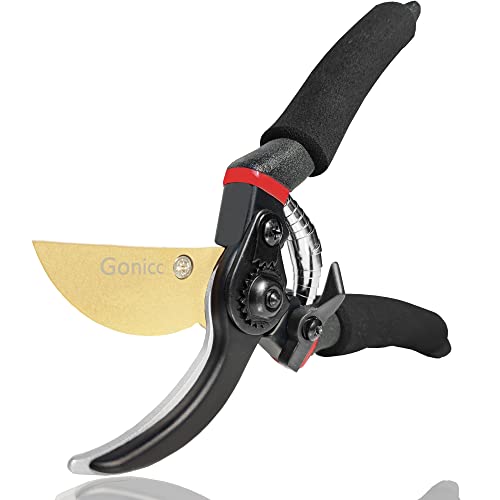
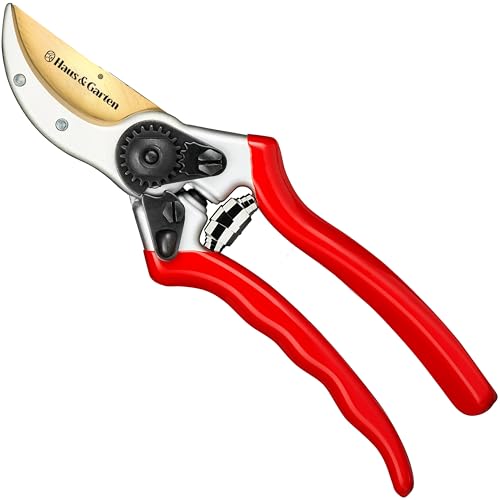
- Bypass pruners – for clean cuts on stems up to ½ inch thick.
- Loppers – for thicker, older canes.
- Pruning saw – for very thick branches (rarely needed for hydrangeas).
- Gloves – protect your hands from sap and rough stems.
Pro tip: Always cut at a 45° angle just above a bud that faces outward. This directs new growth outward, keeping the center open and airy. Remove any dead, diseased, or rubbing branches first — these are always safe to take out regardless of type.
🌱 After pruning: Apply a balanced, slow-release fertilizer (10-10-10 or similar) around the base, and top with 2–3 inches of compost or mulch. This fuels the new growth and helps retain moisture. For more detailed plant care, check our lavender care guide or learn about composting to enrich your soil.
3 Common Spring Pruning Mistakes (and How to Avoid Them)
- ❌ Mistake #1: Pruning all old-wood bloomers in spring.
✅ Fix: Only remove dead wood. If you must shape, do it immediately after flowering in summer. - ❌ Mistake #2: Cutting panicle hydrangeas too lightly.
✅ Fix: Don't be shy — these plants thrive on hard pruning. Cut back at least 1/3 to get the biggest blooms. - ❌ Mistake #3: Pruning too late in spring, after new growth has started.
✅ Fix: Aim for early spring, just as the buds begin to swell. Late pruning can weaken the plant and reduce flowering.
Spring Hydrangea Care Beyond Pruning
Spring is the season to set your hydrangea up for success. In addition to pruning, remove any winter mulch, check for signs of frost damage, and ensure your plant is getting adequate water as the weather warms. For a complete seasonal approach, explore our spring gardening checklist and discover other spring blooming bulbs to complement your garden.
If you're also growing other flowering shrubs, you might find our guides on deer-resistant perennials or pollinator-friendly plants helpful for a vibrant, wildlife-friendly yard.
Ready to give your hydrangeas the best spring start? Browse our top-rated pruning tools and soil conditioners to get the job done right.
Shop Pruning Tools & Supplies