Plants That Attract Butterflies, Bees & Hummingbirds
Transform your garden into a vibrant pollinator paradise! Discover the best plants that attract butterflies, bees, and hummingbirds. Expert tips for creating a thriving ecosystem that supports essential pollinators while adding stunning beauty to your outdoor space.
START YOUR POLLINATOR GARDENWhy Pollinator Gardens Matter
Let gardening support nature! Pollinators like butterflies, bees, and hummingbirds are essential for our ecosystem, responsible for pollinating over 75% of flowering plants and 35% of global food crops. By creating a pollinator-friendly garden, you're not just beautifying your space — you're actively contributing to biodiversity, food production, and environmental health. Whether you have a small balcony or a sprawling backyard, choosing the right plants that attract butterflies, bees, and hummingbirds can make a significant difference.
Top Plants That Attract Butterflies, Bees & Hummingbirds
Butterfly Bush (Buddleia davidii)
A classic favorite that lives up to its name. This fast-growing shrub produces long panicles of fragrant flowers in purple, pink, white, and yellow from summer through fall. The nectar-rich blooms are irresistible to butterflies, bees, and hummingbirds.
Sun: Full sun (6+ hours daily)
Water: Moderate, drought-tolerant once established
Hardiness: Zones 5-9
Height: 4-8 feet
Milkweed (Asclepias)
The essential host plant for monarch butterflies! Milkweed provides food for caterpillars and nectar for adult butterflies. Its beautiful clusters of pink, orange, or white flowers also attract bees and hummingbirds.
Sun: Full sun to partial shade
Water: Moderate to low
Hardiness: Zones 3-9
Height: 2-5 feet
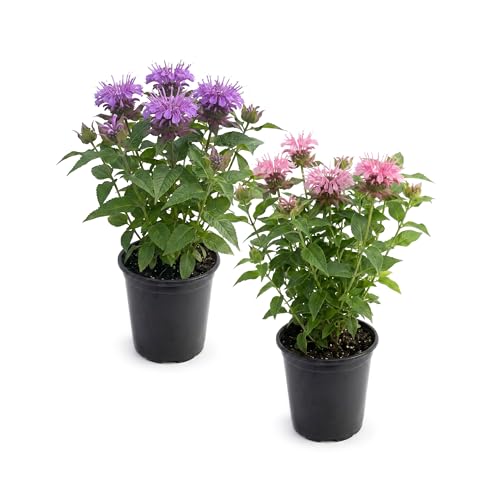
Bee Balm (Monarda)
True to its name, bee balm is a magnet for bees, butterflies, and hummingbirds. Its unique, spiky flowers in red, pink, purple, or white bloom throughout summer, offering abundant nectar. The aromatic foliage also adds a delightful fragrance to your garden.
Sun: Full sun to partial shade
Water: Moderate, prefers moist soil
Hardiness: Zones 3-9
Height: 2-4 feet
Salvia (Sage)
With its tubular flowers in brilliant shades of red, blue, purple, and white, salvia is a hummingbird favorite. This drought-tolerant perennial blooms from spring through fall, providing a continuous nectar source for bees and butterflies as well.
Sun: Full sun
Water: Low to moderate, drought-tolerant
Hardiness: Zones 4-9
Height: 1-3 feet
Lantana (Lantana camara)
This heat-loving plant produces vibrant clusters of multi-colored flowers that bloom non-stop from spring to frost. Lantana is exceptionally attractive to butterflies, bees, and hummingbirds. Its bright colors and abundant nectar make it a garden standout.
Sun: Full sun
Water: Low, very drought-tolerant
Hardiness: Zones 8-11 (annual elsewhere)
Height: 1-3 feet
Coneflower (Echinacea)
A native perennial that provides both nectar and seeds. The large daisy-like flowers in purple, pink, white, yellow, and orange attract butterflies, bees, and hummingbirds. The central cone also provides seeds for birds in fall and winter.
Sun: Full sun to partial shade
Water: Low, drought-tolerant
Hardiness: Zones 3-9
Height: 2-4 feet
Trumpet Vine (Campsis radicans)
Named for its trumpet-shaped orange-red flowers, this vigorous vine is a hummingbird magnet. Blooming from summer through fall, it provides abundant nectar. Bees and butterflies also visit these stunning, tropical-looking blooms.
Sun: Full sun to partial shade
Water: Moderate, adaptable
Hardiness: Zones 4-9
Height: Vines up to 30 feet
Lavender (Lavandula)
A beloved herb that's incredibly attractive to bees. The fragrant purple flowers bloom from early summer through fall, providing a steady nectar source. Bees especially love lavender's aromatic oils and abundant pollen.
Sun: Full sun
Water: Low, drought-tolerant
Hardiness: Zones 5-9
Height: 1-3 feet
Design Your Pollinator-Friendly Garden
Plant in Clusters
Grouping the same flowers together makes it easier for pollinators to find them. Plant in drifts of at least 3-5 plants for maximum visibility and impact.
Ensure Continuous Bloom
Select plants that flower at different times throughout the season. This ensures nectar availability from early spring through late fall, supporting pollinator populations year-round.
Avoid Pesticides
Chemical pesticides can harm pollinators. Use natural pest control methods like companion planting, beneficial insects, and organic solutions to protect your garden visitors.
Provide Water
Butterflies and bees need water to survive. Create a shallow water source with pebbles for drinking and puddling, or install a small fountain or birdbath.
More Plants for a Vibrant Pollinator Garden
Zinnia (Zinnia elegans)
Bright, cheerful annual flowers that bloom in nearly every color. Zinnias are butterfly favorites and also attract bees and hummingbirds. They bloom from early summer until frost, offering continuous nectar.
Sun: Full sun
Water: Moderate
Height: 1-4 feet
Garden Phlox (Phlox paniculata)
Fragrant clusters of pink, purple, white, or red flowers bloom from midsummer to fall. Phlox is highly attractive to butterflies, bees, and hummingbirds, and its sweet scent is a garden delight.
Sun: Full sun to partial shade
Water: Moderate, prefers moist soil
Hardiness: Zones 4-8
Height: 3-4 feet
Penstemon (Beardtongue)
Native to North America, penstemon produces tubular flowers in red, pink, purple, blue, and white. These hummingbird favorites bloom from late spring through summer and are drought-tolerant once established.
Sun: Full sun
Water: Low, drought-tolerant
Hardiness: Zones 4-9
Height: 1-3 feet
Cosmos (Cosmos bipinnatus)
Easy-to-grow annuals with daisy-like flowers in white, pink, purple, and orange. Cosmos are butterfly magnets and attract bees and hummingbirds too. They bloom from summer through fall and are excellent for cut flowers.
Sun: Full sun
Water: Moderate, drought-tolerant
Height: 2-4 feet
Seasonal Pollinator Planting Guide
🌸 Spring Planting (March - May)
- Plant early-blooming bulbs like crocus and grape hyacinth for first-spring nectar
- Start seeding cold-hardy perennials including coneflower and bee balm
- Discover more spring-blooming bulbs →
☀️ Summer Planting (June - August)
- Plant heat-loving annuals like zinnia, lantana, and salvia for peak bloom
- Add long-flowering perennials such as butterfly bush and phlox
- See more summer-blooming flowers →
🍂 Fall Planting (September - November)
- Plant spring-blooming bulbs and bare-root perennials
- Add late-blooming plants like goldenrod and asters for migrating butterflies
Creating a Complete Pollinator Habitat
A truly successful pollinator garden goes beyond just plants. Here are essential elements to create a complete habitat:
🌿 Host Plants
Plant host plants for caterpillars, like milkweed for monarchs and parsley for swallowtails. Host plants are essential for butterfly reproduction and survival.
🏠 Shelter & Nesting
Provide dense shrubs, native grasses, and brush piles for shelter. Consider installing bee houses or leaving some ground exposed for ground-nesting bees.
🌊 Water Sources
Create shallow water stations with stones or gravel for safe drinking. A simple saucer filled with pebbles and water works perfectly.
🌳 Explore shade garden design ideas → | 🌿 Natural pest control methods →
Companion Planting Tips for Pollinators
🦋 Butterfly Gardens
- • Plant host plants + nectar sources together
- • Include milkweed, coneflower, and butterfly bush
- • Provide sunny, sheltered areas for basking
🐝 Bee-Friendly Gardens
- • Plant lavender, bee balm, and salvia
- • Include native plant species for local bees
- • Leave some bare soil for ground-nesting bees
🐦 Hummingbird Gardens
- • Plant trumpet vine, penstemon, and salvia
- • Provide red, orange, and pink tubular flowers
- • Include perching spots for resting
🌻 Discover plants that attract pollinators to vegetable gardens →
Start Your Pollinator Garden Today
Every plant you add makes a difference. Choose the right plants that attract butterflies, bees, and hummingbirds, and watch your garden come alive with activity. Let gardening be your contribution to a healthier planet.
Explore More Flower Gardening Tips