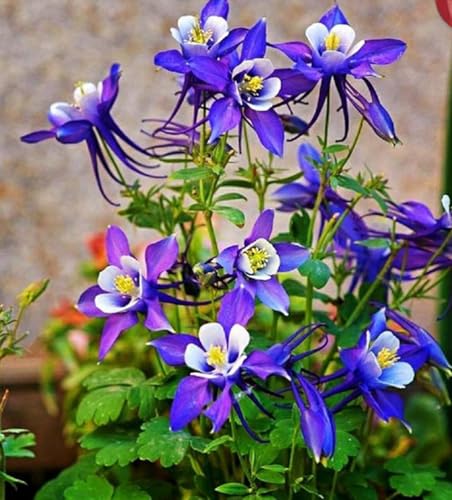
Hanging Flowering Plants That Attract Hummingbirds
Transform your porch, balcony, or garden into a hummingbird haven with these nectar-rich hanging plants—expert selection and care tips included.
Why hang flowering plants for hummingbirds? Hummingbirds are drawn to bright, tubular blooms and reliable nectar sources. Hanging baskets bring those flowers up to eye level, making your garden a prime feeding station. This guide covers the best hanging flowering plants, how to care for them, and design strategies to keep hummingbirds returning all season long.
Top Hanging Flowering Plants for Hummingbirds
These trailing and basket-friendly plants combine vibrant color, nectar production, and cascading growth—perfect for hanging displays that hummingbirds can't resist. For more container-friendly options, see our guide to container plants for hummingbirds and butterflies.
Fuchsia
A classic hummingbird magnet with pendulous, tubular flowers in pink, purple, and red. Thrives in partial shade and blooms prolifically in hanging baskets. Keep soil consistently moist for best results.
Lantana
Clusters of tiny tubular flowers in yellow, orange, and pink. Heat-tolerant and drought-resistant once established—ideal for sunny hanging baskets that attract hummingbirds and butterflies alike.
Petunia
Trailing varieties spill beautifully from baskets. Their trumpet-shaped blooms come in nearly every color and are a reliable nectar source. Full sun and regular watering keep them blooming.
Calibrachoa (Million Bells)
Petunia-like flowers on compact, trailing plants. Heavy bloomers that thrive in hanging baskets with full sun. Deadheading encourages continuous flowering through summer.
Cuphea (Cigar Plant)
Tubular, cigar-shaped flowers in red and orange that hummingbirds adore. Heat-loving and low-maintenance—an excellent choice for sunny, warm locations.
Begonia (Trailing)
Shade-tolerant with cascading blooms in bright colors. Ideal for porches with limited sun. Keep soil evenly moist and provide good drainage to prevent rot.
Why These Plants Attract Hummingbirds
Hummingbirds are visual feeders with a strong preference for:
- Red and orange tones — highly visible and signals nectar-rich blooms.
- Tubular flower shapes — perfectly matched to the hummingbird's long bill and tongue.
- High nectar production — repeated visits are rewarded with a reliable food source.
- Cascading growth — hanging baskets create feeding zones at multiple heights.
Pairing these plants with a water feature like a solar bird bath fountain enhances the habitat and encourages more visits.
Care Tips for Hanging Hummingbird Plants
- Use a premium potting mix with good drainage and add slow-release fertilizer at planting time.
- Water hanging baskets more frequently than garden beds—they dry out quickly, especially in summer heat.
- Position baskets where hummingbirds can hover safely, away from heavy foot traffic and strong winds.
- Deadhead spent blooms weekly to encourage continuous flowering.
- Inspect for pests regularly and use organic controls to protect pollinators.
- Rotate baskets every few days to ensure even growth and sun exposure.
Design tip: Cluster multiple hanging baskets at different heights to create a "hummingbird corridor." Include at least one red or orange bloom per basket to maximize visibility from a distance. For complementary ground-level options, explore hanging plants that attract hummingbirds and butterflies.
Placement and Seasonal Timing
Hang baskets in April through May to catch early migrants, and keep them blooming through October where possible. Full-sun plants like lantana and calibrachoa perform best on south- or west-facing porches. Fuchsia and trailing begonia prefer morning sun with afternoon shade. Ensure baskets are high enough to discourage cats but low enough for easy watering—typically 6 to 8 feet above ground.
If you want to expand your hummingbird-friendly display indoors or under cover, browse options for hanging plants that don't need a lot of light and big indoor plants that don't need much light.
Quick Shopping Checklist
- Choose baskets with drainage holes and sturdy hangers rated for wet soil weight.
- Select at least three plant varieties to stagger bloom times.
- Add a drip tray or saucer to reduce watering frequency.
- Include a bird bath or fountain nearby to provide fresh water.
- Plan for weekly fertilization during peak bloom season.